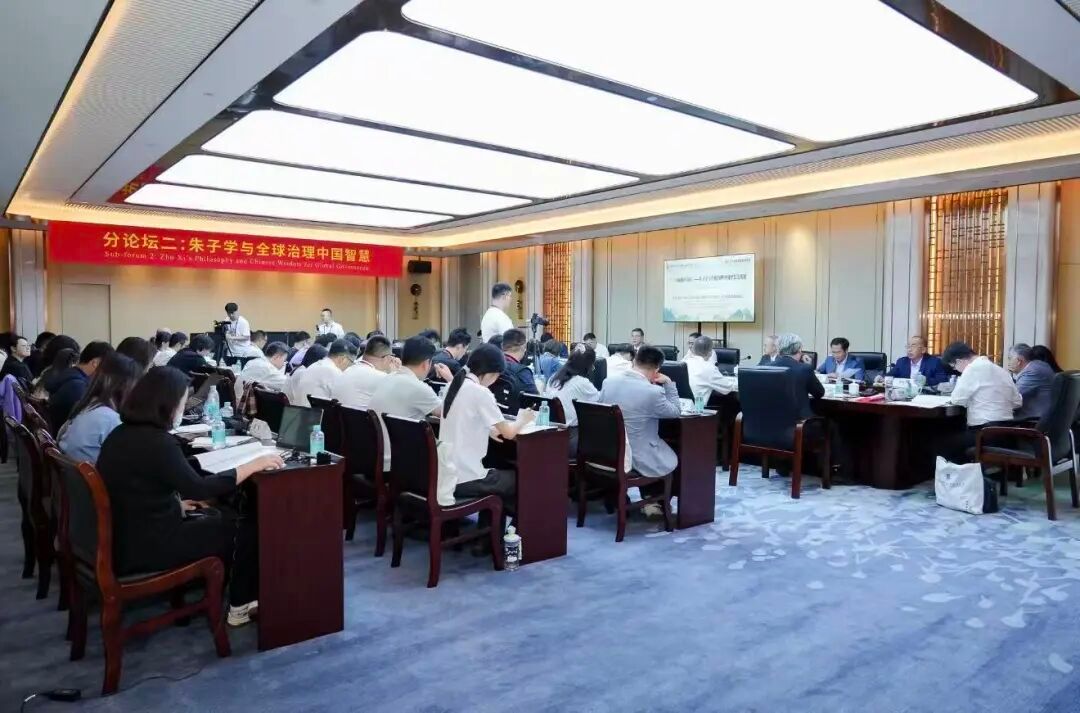
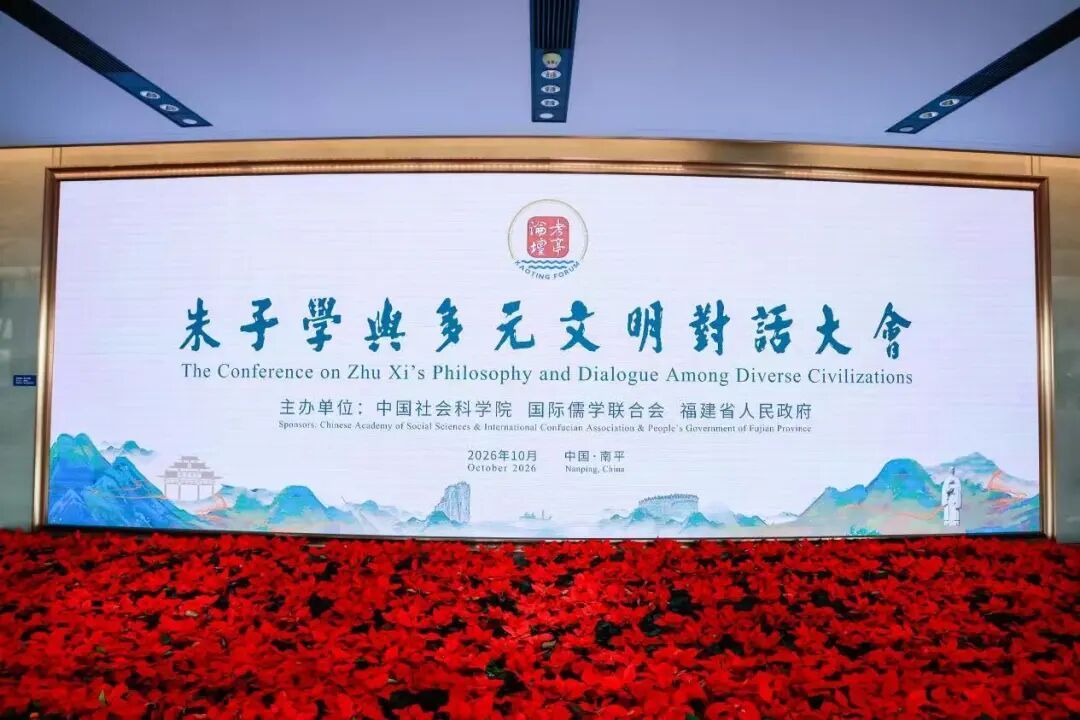
To promote the creative transformation and innovation of refined traditional Chinese culture, the Chinese Academy of Social Sciences (CASS), the International Confucian Association (ICA) and the People’s Government of Fujian Province jointly hosted the Conference on Zhu Xi’s Philosophy and Dialogue Among Diverse Civilizations and the Fifth Kaoting Forum in Nanping, Fujian province, on October 16‒19, 2026. This year’s conference highlighted the twin concepts of “principle” and “propriety,” advocating an order that responds to today’s complex international landscape and global challenges. The conference invited about two hundred scholars and experts, both Chinese and international. The guests attending the opening ceremony included Teng Jiacai, Chairman of the Fujian Provincial Committee of the CPPCC; Zhang Yan, Member of the Standing Committee of the Fujian Provincial Committee of the CPC and Director-General of the Communication Department; Lin Jinbao, Vice Chairman of the Standing Committee of the Fujian Provincial People’s Congress; Jiang Erxiong, Vice Governor of Fujian Province; Zhao Rui, Vice President of CASS; Hao Ping, Executive Vice President of the ICA; Daniel A. Bell (Canada), Vice President of the ICA; Chen Lai, Vice President of the ICA; Dong Qiang, Vice President of the ICA; Wang Min, Vice Chairman of the ICA; Lin Anwu, Vice Chairman of the ICA; Jia Deyong, Vice Chairman of the ICA; and Ren Yisheng, Deputy Secretary-General of the ICA.
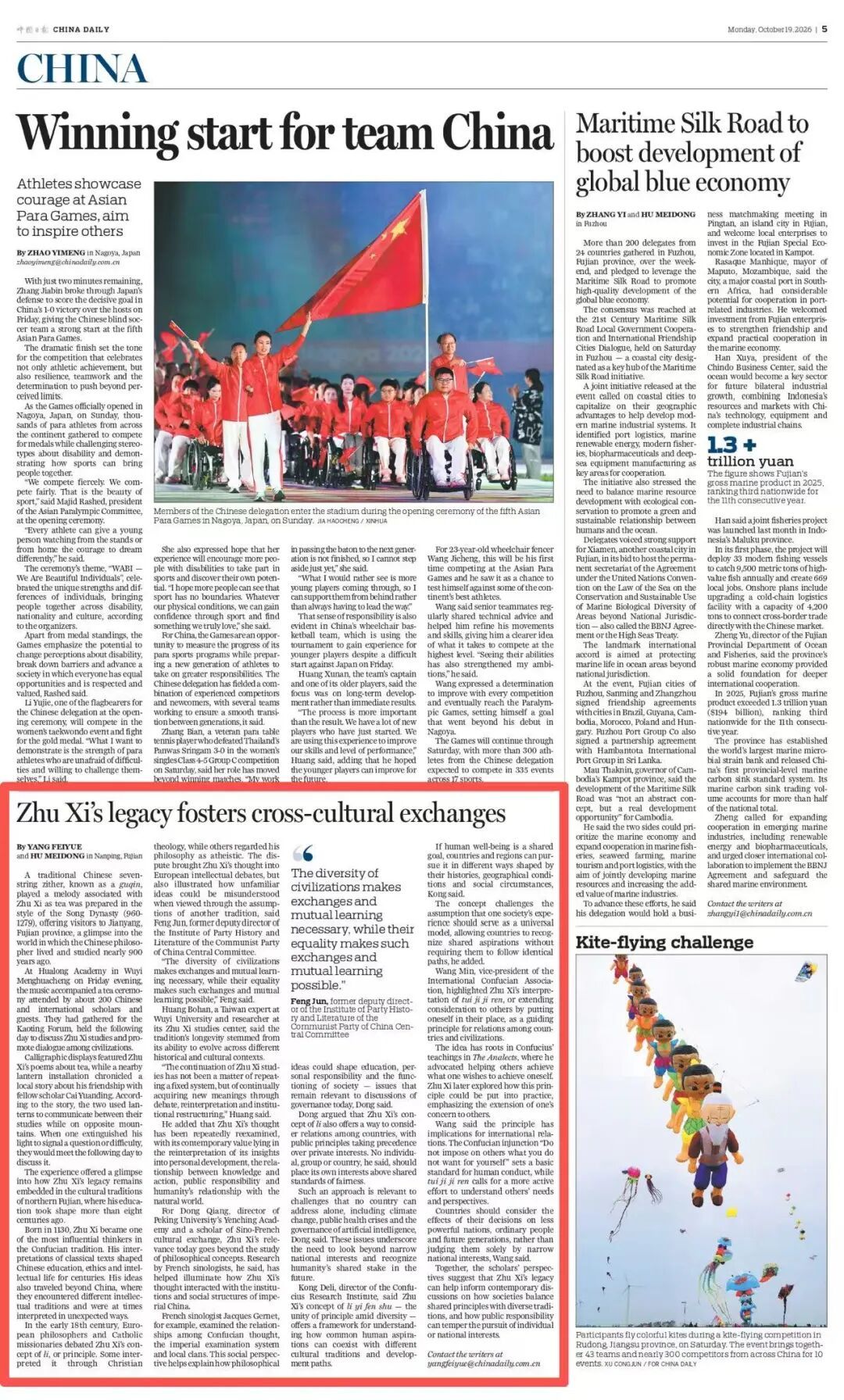
On the afternoon of October 17, Dong Qiang, Dean of Yenching Academy of Peking University and Vice President of the ICA, delivered a speech titled “A Stolen Glance at the Green Hills: Zhu Xi Studies and Global Governance” during the sub-forum on the theme “Zhu Xi’s Philosophy and Chinese Wisdom for Global Governance.” China Daily cited Dong’s speech several times in its coverage titled “Zhu Xi’s legacy fosters cross-cultural exchanges.” During the two-day forum, Dean Dong gave an in-depth interview with Minbei Ribao, the official organ of the Nanping Municipal Committee of the CPC, providing an overview of Yenching Academy and exploring how to give new breath to fine traditional Chinese culture in today’s world.
The full text of Dong Qiang’s speech is as follows:
“A Stolen Glance at the Green Hills”: Zhu Xi Studies and Global Governance
Dong Qiang
I should say that I’m not a specialist in Zhu Xi studies. I engage in comparative studies of Chinese and Western cultures, particularly the comparative study of Chinese and French cultures. I am honored to join so many distinguished scholars here in beautiful Wuyishan. The Song scholar Zeng Gong once wrote about “a stolen glance at the green hills”. I feel much the same, stealing a half day from a busy schedule to be here. Even Zhu Xi himself admired Zeng Gong for “not indulging in empty words.” Today I would like to offer my thoughts on “Zhu Xi’s Philosophy and Chinese Wisdom for Global Governance” from the perspective of French sinology.

Scholarship on Zhu Xi in France experienced three stages of development: In the 17th and 18th centuries, French scholars interpreted Zhu Xi’s philosophy through theology against the broader background of the Rites Controversy. In the late 19th century, Stanislas Le Gall translated Zhu Xi’s chapters into French and was hailed as a pioneer in the field. From the second half of the 20th century onward, Zhu Xi studies in France have moved toward a more philosophical and professional approach. On the whole, French sinology tends toward a comparative philosophical approach in Zhu Xi studies, focusing on the ontological analysis of li or principle.
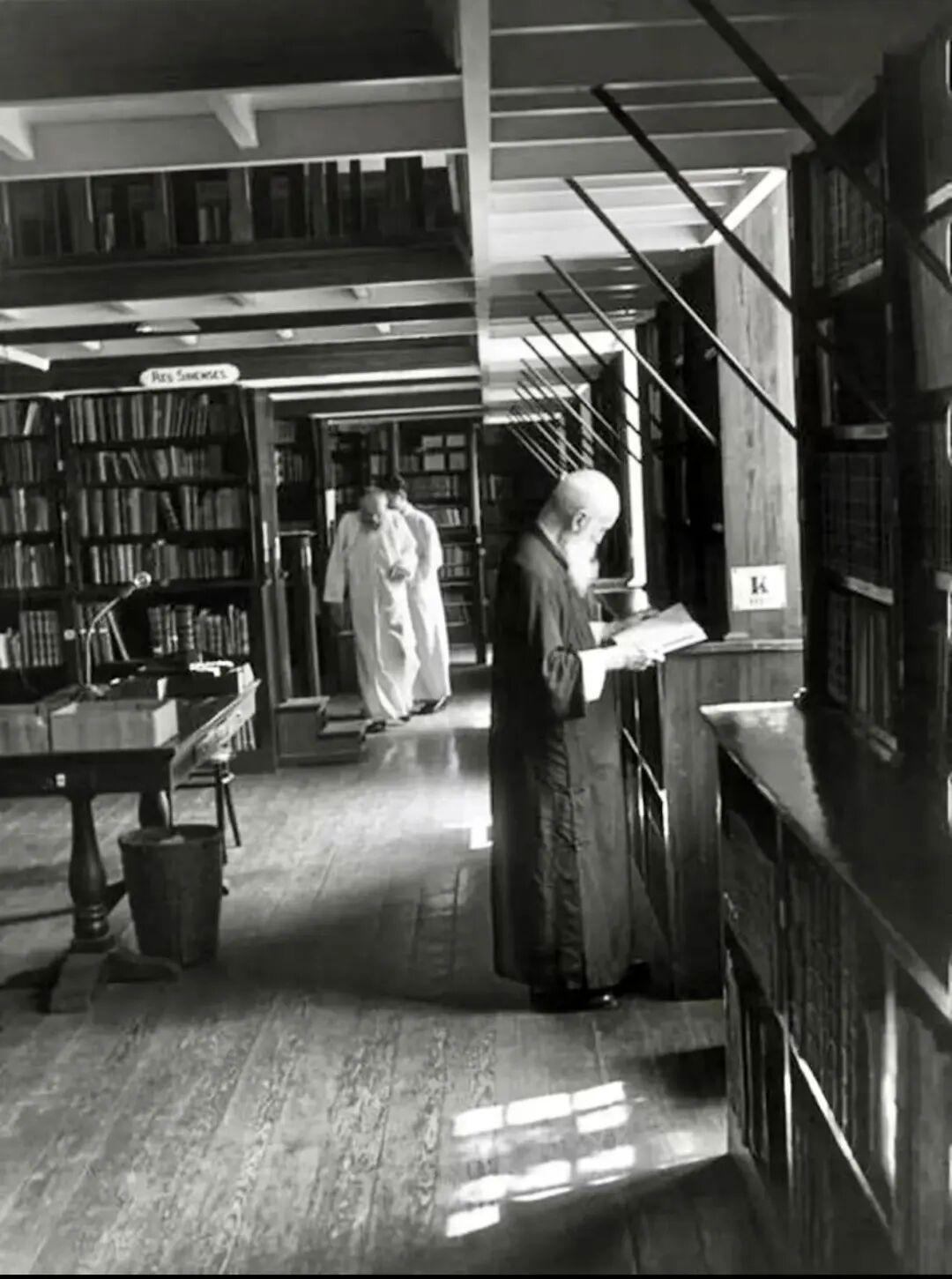
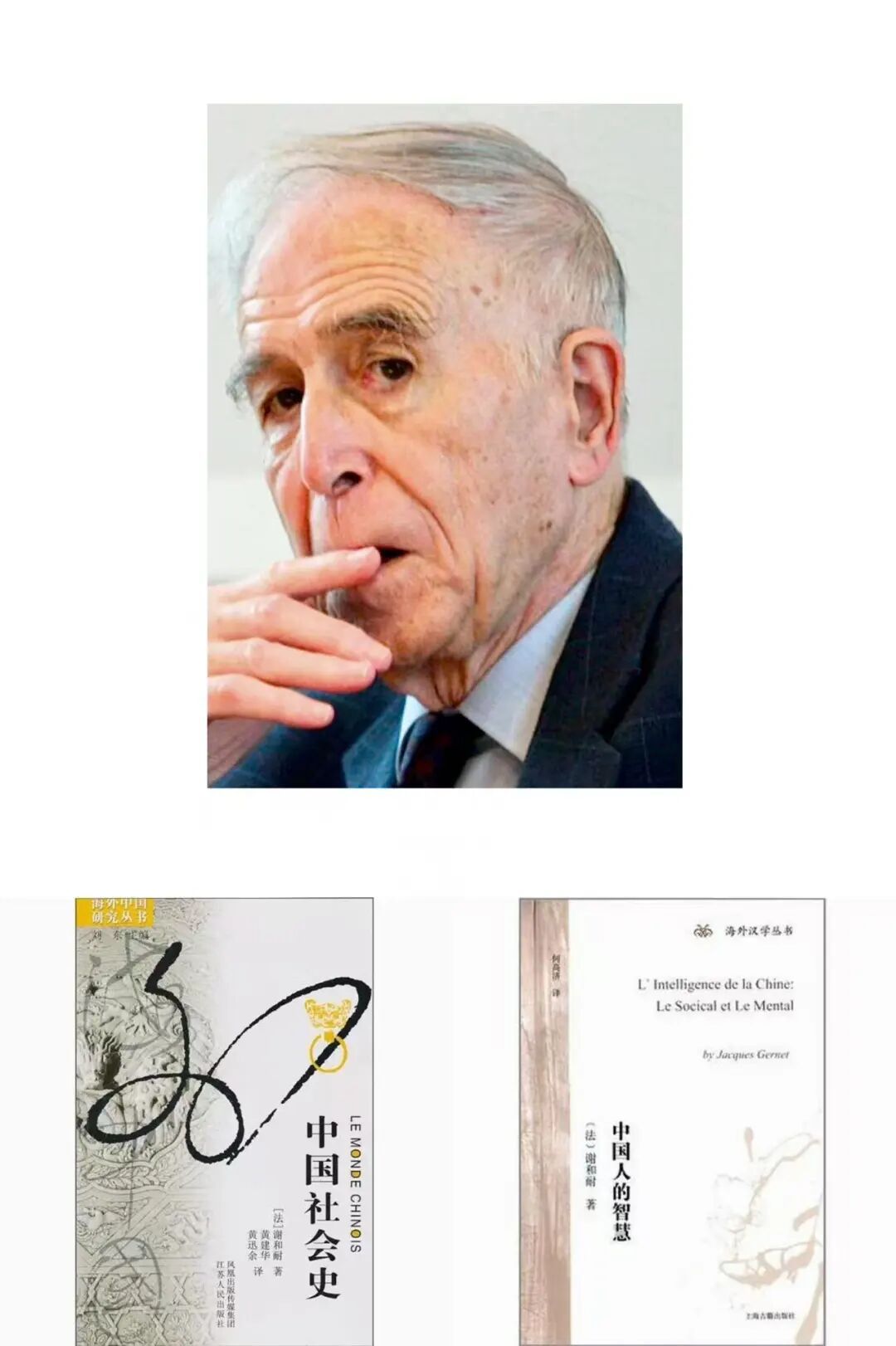
Jacques Gernet was one of the most eminent French sinologists engaging in Zhu Xi studies after the Second World War. Gernet did not write on Zhu Xi’s philosophy; however, his Le Monde Chinois (A History of Chinese Civilization) and many other articles have shaped the prevailing framework for understanding Zhu Xi in France. It is noteworthy that Gernet observed Zhu Xi’s philosophy through a sociological lens, examining how Zhu Xi’s philosophy of principle integrated with the state, the imperial examination system, and local clanship. Gernet’s observations extend beyond a purely philosophical and conceptual inquiry. Seen from this angle, Zhu Xi’s philosophy becomes relevant to state governance and even global governance.
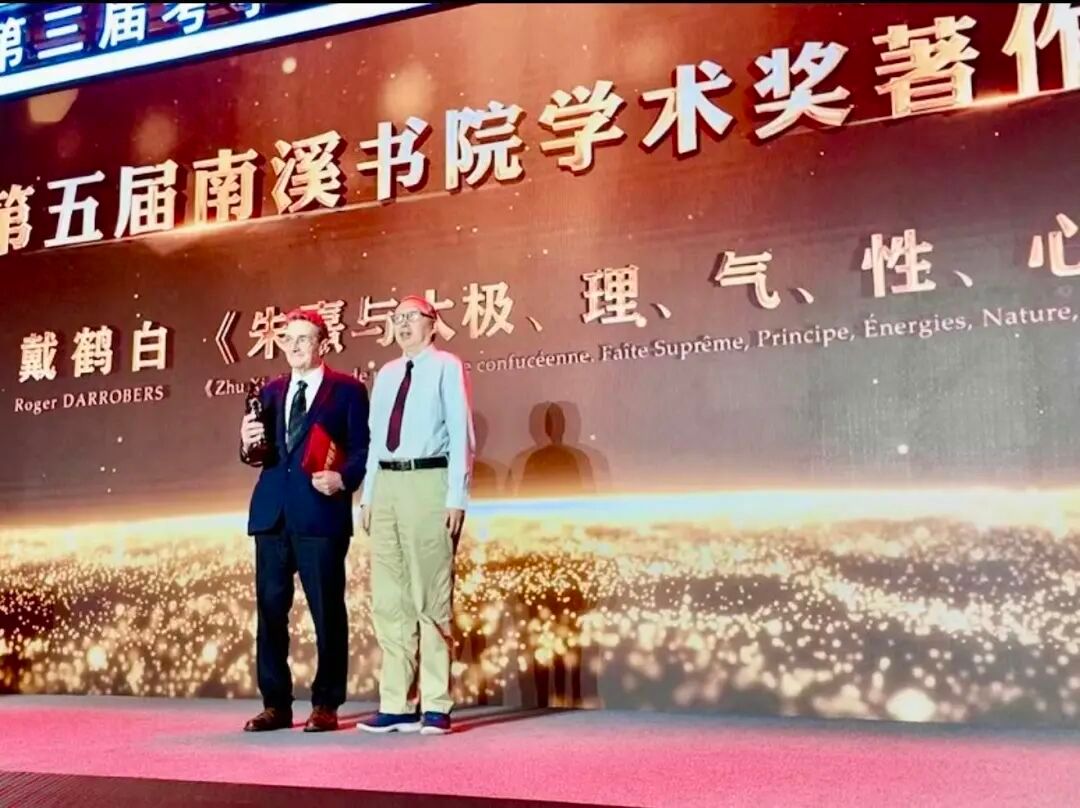
Roger Darrobers is the most important intellectual figure in Zhu Xi studies in France today. He has been a central figure in the field in France, and the Chinese scholars of Zhu Xi studies are familiar with him. I was in frequent contact with him when he was Cultural Counselor of the French Embassy in China. In 2024, Darrobers’s Zhu Xi, éléments de philosophie confucéenne. Faîte suprême, principe, énergies, nature, cœur (Zhu Xi: Taiji, Principle, Energy, Nature, and Heart) won the Nanxi Academy Academic Award. Nevertheless, Darrobers has not been much involved in the Kaoting school or the scholarly lineage of Zhu Xi.
Seen from the angle of cultural transmission, intellectual circles in many countries generally focus on Zhu Xi’s philosophy of heart and nature, self-cultivation, reading, and principled living. Simultaneously in the outside world, global governance deals with international relations, great-power competition, reconfiguration of global order, and global crises. In a context like this, Zhu Xi’s philosophy seems almost irrelevant.
In reality, Zhu Xi’s philosophy provides a holistic, balanced, and universal logic of order underpinned by a complete set of practical methods, forming or helping to form an effective mechanism. In this way, Zhu Xi’s philosophy can be a source of inspiration for global governance. I will elaborate on it from both theoretical and practical perspectives.
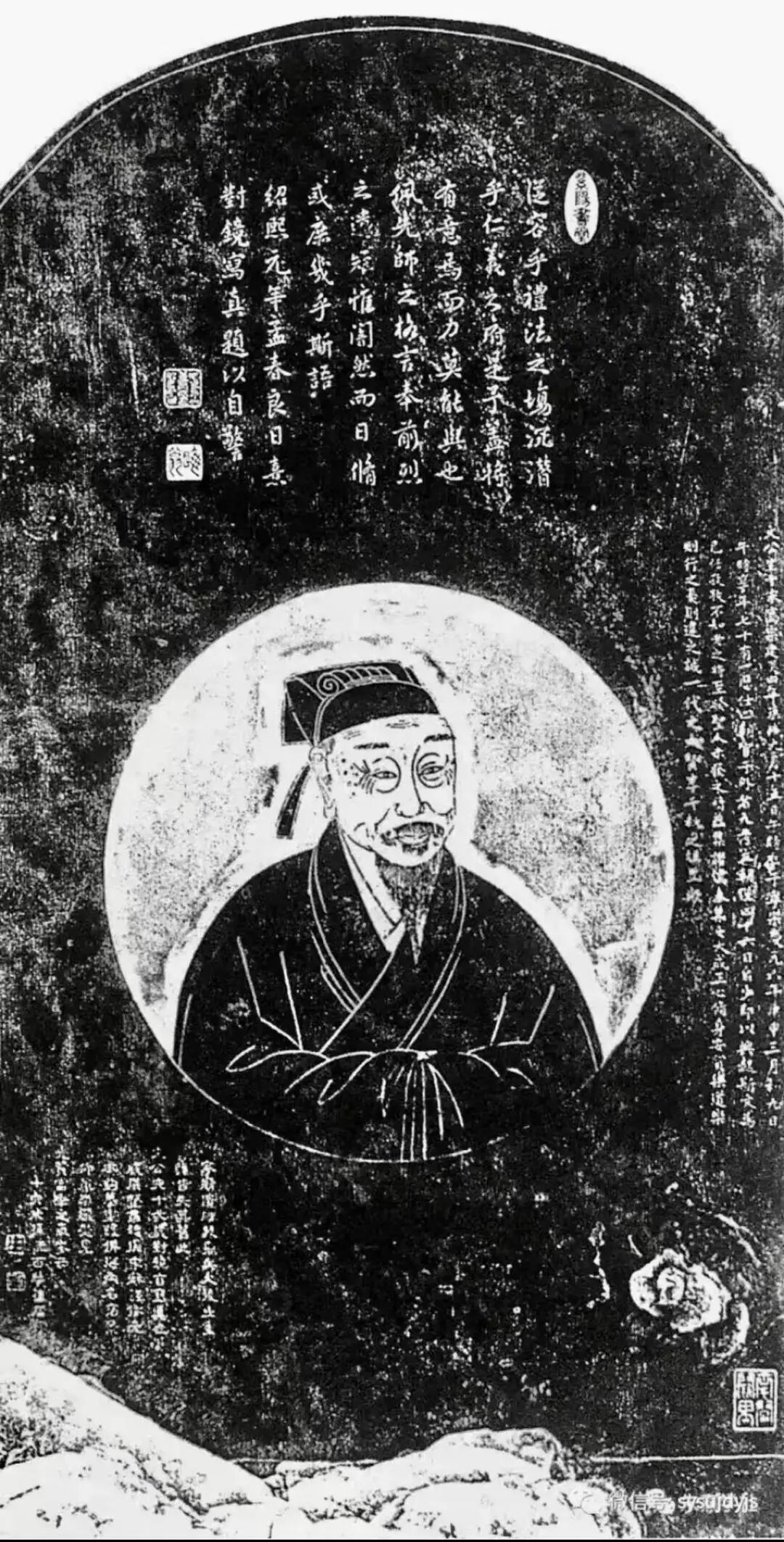
Li, or principle, is the highest concept in Zhu Xi’s philosophical system, offering an ancient value with modern and global relevance—principle is common and shared, not privately owned. Zhu Xi believed that public principles should take precedence over private interests. No individual, group, or country, should place its own interests above the common principle. That is a principle of fairness essential to global governance.
Principle is universal, transcending nation, time, and race. Zhu Xi’s concept of li yi fen shu was a development on the works of Cheng Yi and Cheng Hao, highlighting the unity of principle amid diversity. According to Gernet, li yi fen shu might draw inspiration from “the non-obstruction between principle and phenomena,” a theory of the Huayan school of Buddhism. Zhu Xi’s Neo-Confucianism or the School of Principle is fundamentally opposed to Buddhism; however, it unconsciously integrates Buddhist cultivation of body and mind. This theory has considerable influence in the West. Gernet believed that the relationship between principle and phenomena in the Huayan school’s theory system profoundly reshaped the Chinese perceptions of principle: Principle is the fundamental order, and phenomena are manifestations of principle. Principle is thus omnipresent in all phenomena. A single principle is the totality of myriad principles, and myriad principles are but one principle—that is “non-obstruction between principle and phenomena”. Zhu Xi stated that “principle is inseparable from qi (energy) and dwells within qi”. Zhu Xi also cited the Buddhist metaphor of “the one and same moon in ten-thousand rivers,” as well as “There is only one and same moon in the sky.”
When we put it in the modern context, we can see that humans have shared values and a shared baseline of order. Conflicts in today’s world are largely caused by the bias of cultural superiority that tends toward institutional arbitrariness. By contrast, Zhu Xi’s philosophy foregrounds equality among civilizations, shared values, and the ideal of all under heaven as one family.
Many 20th-century French humanist intellectuals thought the same way. The late, most recognized French philosopher and sociologist Edgar Morin has been known for his “unité dans la diversité” theory; that is, the widely known “unity in diversity”.
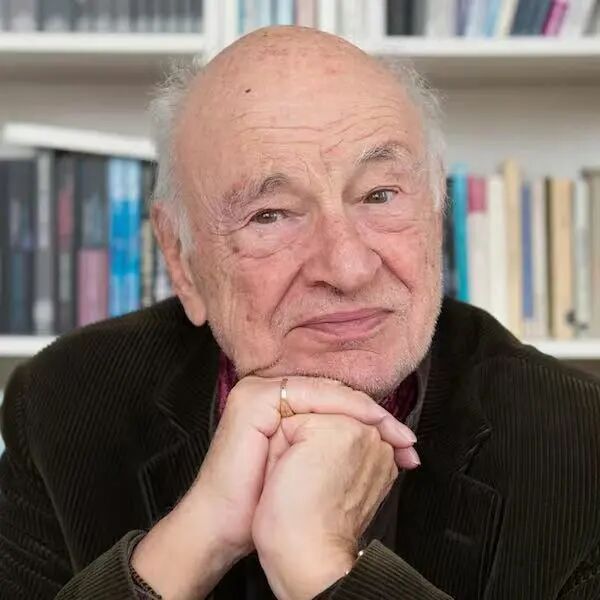
Morin recognized enormous differences, misunderstandings, and conflicts among civilizations. Nevertheless, he believed that differences should generate dialogue, not isolation. Humanity needs to establish connections among differences and move beyond the either/or binary. His work on complex thought focuses on the present and the future, theory of knowledge, and global ethics. “Complex thought” deals with humanity’s co-existence, which seems to possess limitless diversity and complexity in the technological era. In this context, the Earth constitutes a unified totality of all complexities. Morin’s “Earth-Homeland” concept asks humanity to recognize a deeper identity and unity as citizens of the Earth.
Through this “complex thought” framework, Morin interrogated human coexistence on an Earth composed of diverse civilizations. Against the backdrop of globalization, humans objectively constitute a community with a shared future. However, such unity does not necessarily dissolve differences among civilizations. On the contrary, civilizational diversity makes humanity dynamic and vibrant. From the perspective of global governance, humans live on one and the same Earth, with their destiny, security, and interests intertwined. We face common challenges that no country can address alone, from climate change, public health crises, and energy crises, to the AI surge across nations, systems, and cultures. We need to address the issues with a symbiotic, holistic, and communal framework of thinking. It can be said that Zhu Xi and modern Western intellectuals of vision share the same thought and wisdom despite being eight centuries apart.
For his study of Chinese thought and Zhu Xi’s philosophical system, Gernet ingeniously adopted a historical approach of mentalities. Unlike historians of philosophy who dig into abstract concepts of principle, energy, and nature, Gernet did not engage in conceptual analysis of Zhu Xi’s Neo-Confucianism. Rather, he examined how social systems shaped the collective mentality and how the collective mentality then affected the operations of society.
In his Le Monde Chinois (A History of Chinese Civilization) and L’Intelligence de la Chine: Le Social et Le Mental (China’s Wisdom: The Society and the Mentality), Gernet noted that the imperial examination system in China was more than an official-selection test; rather, it was a system of intellectual education that spanned decades across one’s life. He also observed that local lineages worked on the grassroots level, shaping individual identity and emotions through rituals, lineage records, and family instruction. The state, the imperial examination system, and the clan system worked in concert, translating Neo-Confucian moral philosophy into the inner sense of responsibility of the literati; the individual, the family, and the state were psychologically fused into one, thereby sharing honor and disgrace. To put it simply, Gernet transformed Zhu Xi’s school of Neo-Confucianism from pure conceptual philosophy into a framework for sociological analysis encompassing the state, institutions, education, clans, and collective mentality. Gernet gave a modern interpretation to traditional Chinese philosophy, extending from self-cultivation, family regulation, and state governance to world peace. This approach is highly relevant to today’s global governance; governance today is not only about competition among member states of international organizations, but also about the ethical reawakening of humanity. In the context of global governance, one needs a renewed reflection on and reckoning with private desires in the face of the Principle of the Earth and humanity.
Pierre-Étienne Will is a prominent French sinologist and Professor Emeritus at the Collège de France. In his works such as Bureaucratie et Famine en China au XVIIIe Siècle (Bureaucracy and Famine in Eighteenth-Century China) and Nourish the People, Will noted that the bureaucratic system in imperial China was underpinned by the imperial examination system. As a highly rationalized system of procedures, the bureaucratic system in imperial China encompassed a whole repertoire of administrative techniques for addressing crises, such as disaster and famine, and grain shortage. As a premodern state, imperial China could effectively deliver public governance and assume the public responsibility of safeguarding people’s livelihood because it had the bureaucracy rooted in a comprehensive education system based on Zhu Xi’s philosophy.
In this sense, global governance hinges on education. We need to extend Zhu Xi’s philosophy of education, particularly on educational ethics, to more places in the world. Individuals should see themselves as citizens of the Earth, irrespective of their nationality or ethnic group. The destiny of individuals, families, regions, and states is interrelated to the shared destiny of humanity as a whole. In this way, institutions and organizations involved in global governance can work in a more coordinated and effective manner. And only in this way can global governance become a durable, sound, and effective mechanism.
The prominent Chinese calligrapher Zhao Zhiqian of the late Qing dynasty wrote a famous pair of couplets, consisting of two lines from Zeng Gong. The first line reads, “All worldly burns are like dirt and straw.” The second line is the one I quote in the title, “A stolen glance at the green hills.” Zeng Gong was trapped in his day-to-day life by routine work as a Song official; and yet, as a literary man, he never forgot natural landscapes. Zhao Zhiqian’s calligraphic work is a perfect reinterpretation of Zeng Gong’s life—when looking back, one would see that fame and wealth are just like dirt and straw, only inner peace persists when all else passes away. We all know that individuals gain inner peace by leaving all worldly burdens behind. However, a peaceful and well-governed world requires efforts from every single person on the Earth today.
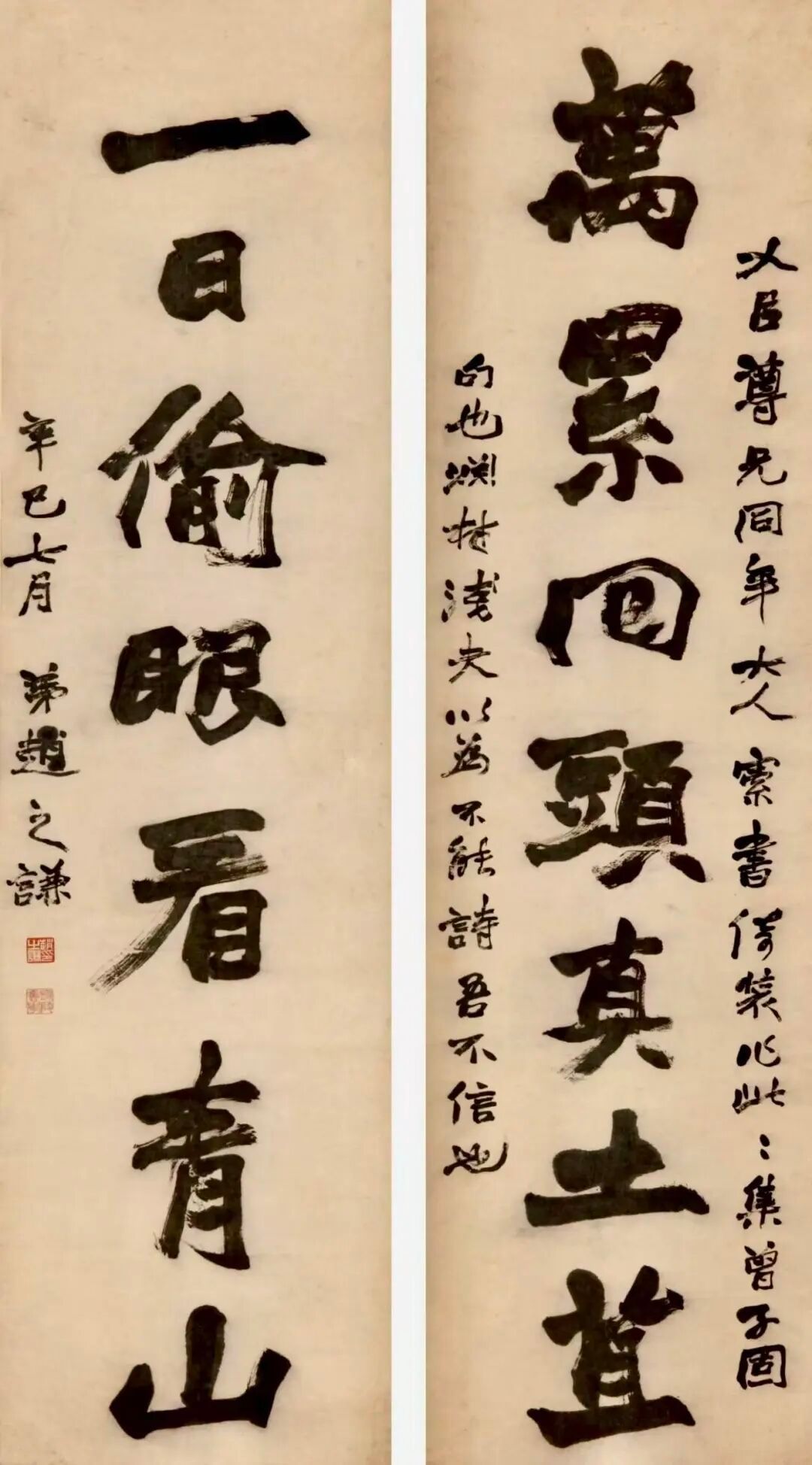
This is what I’ve gained from Zhu Xi’s philosophy.