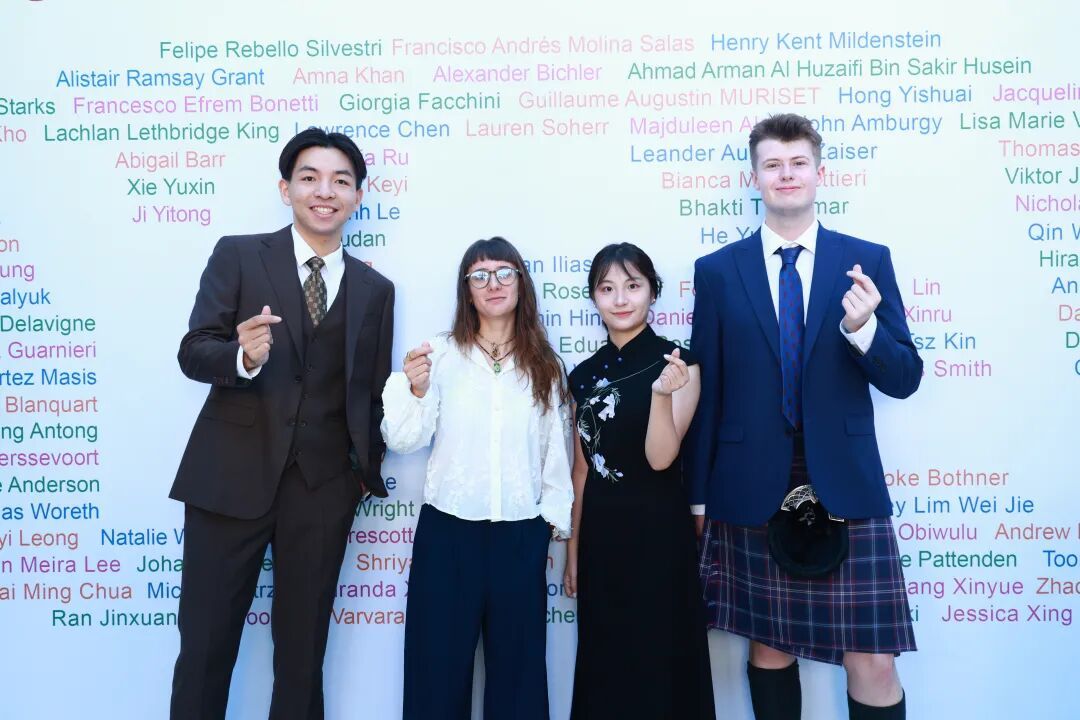
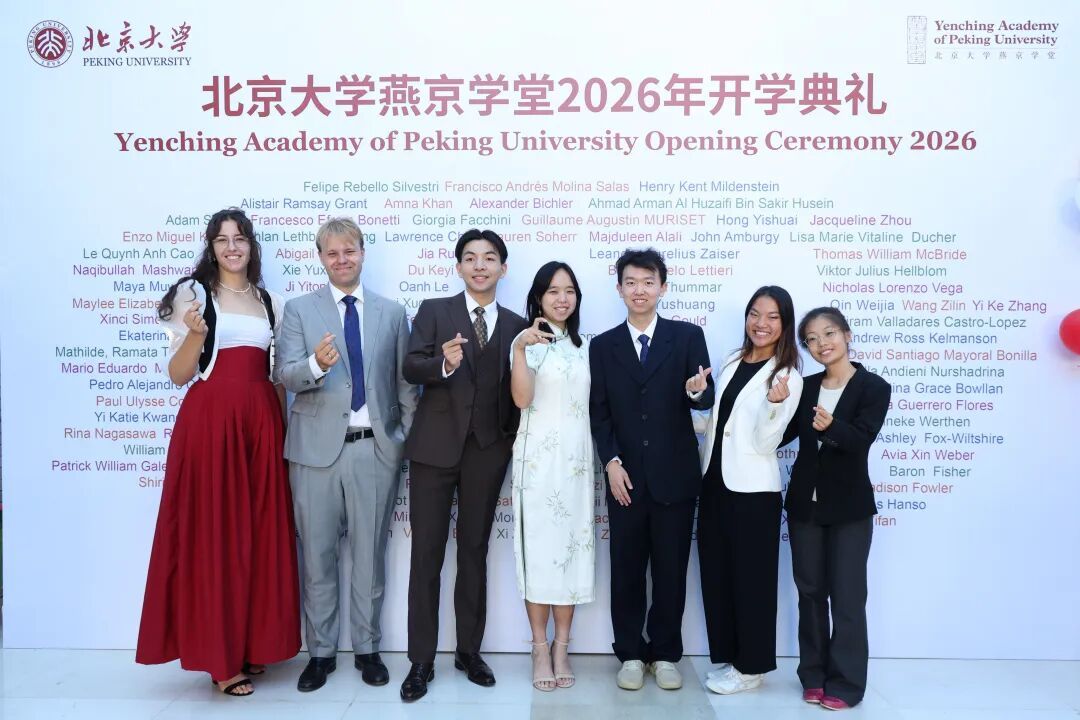
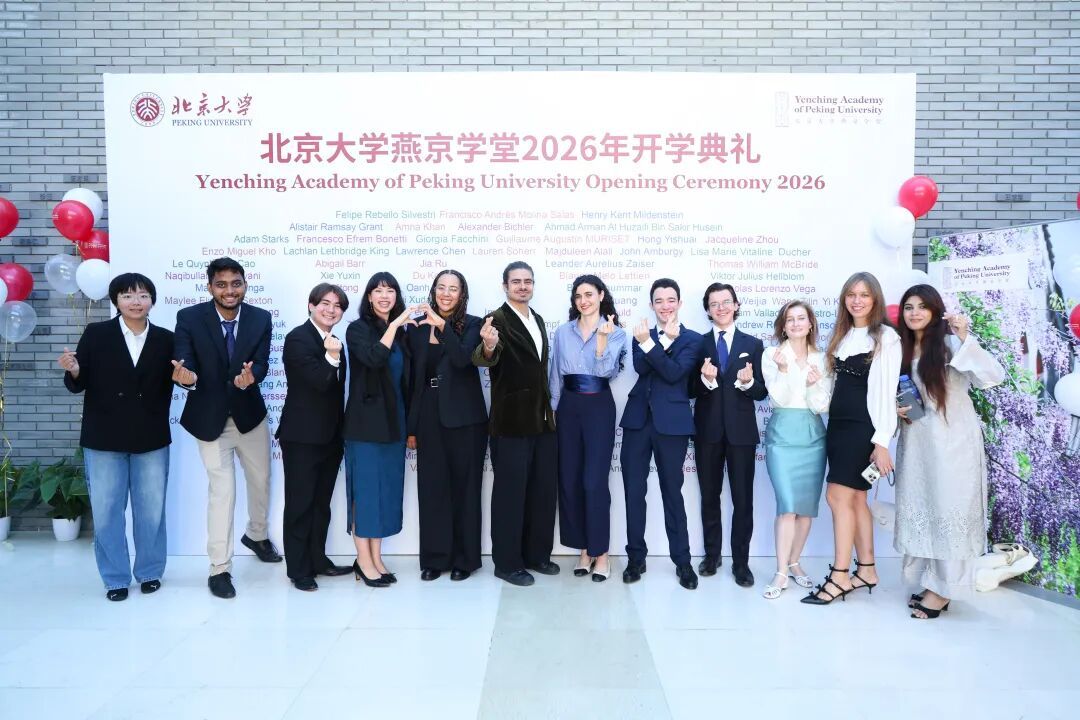
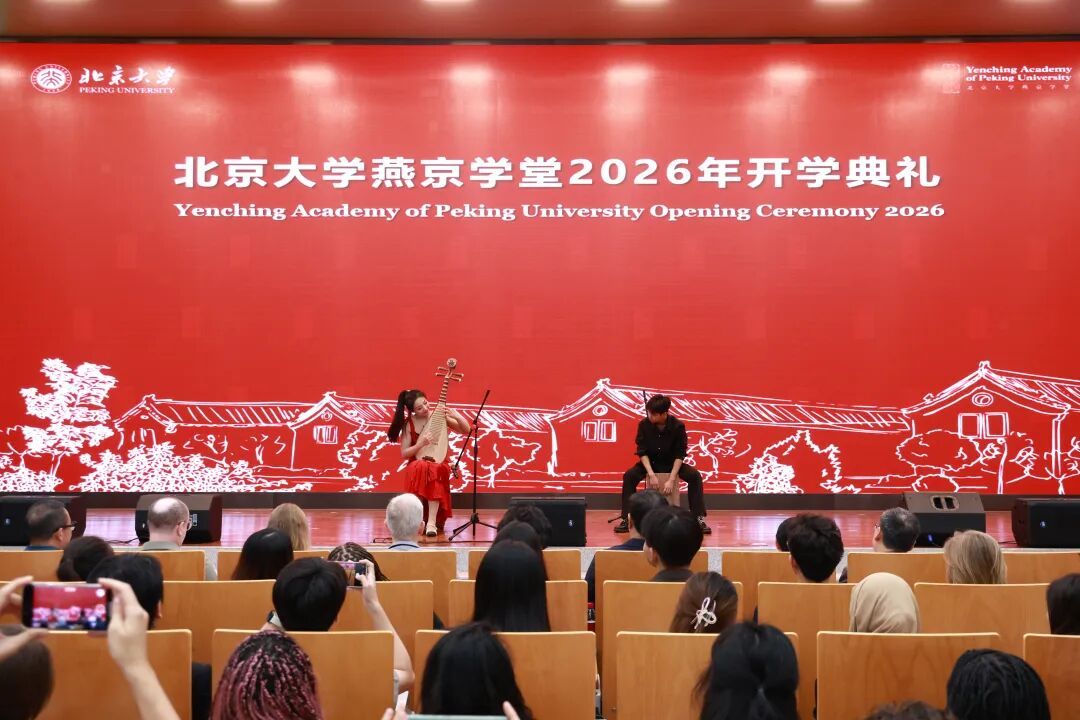
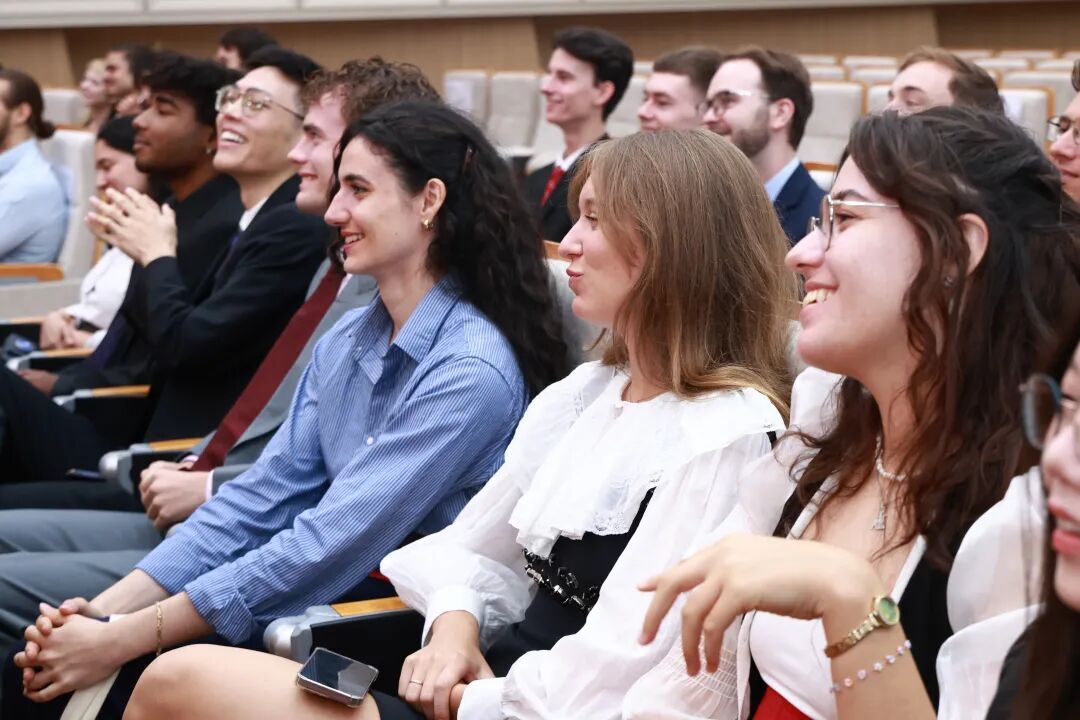
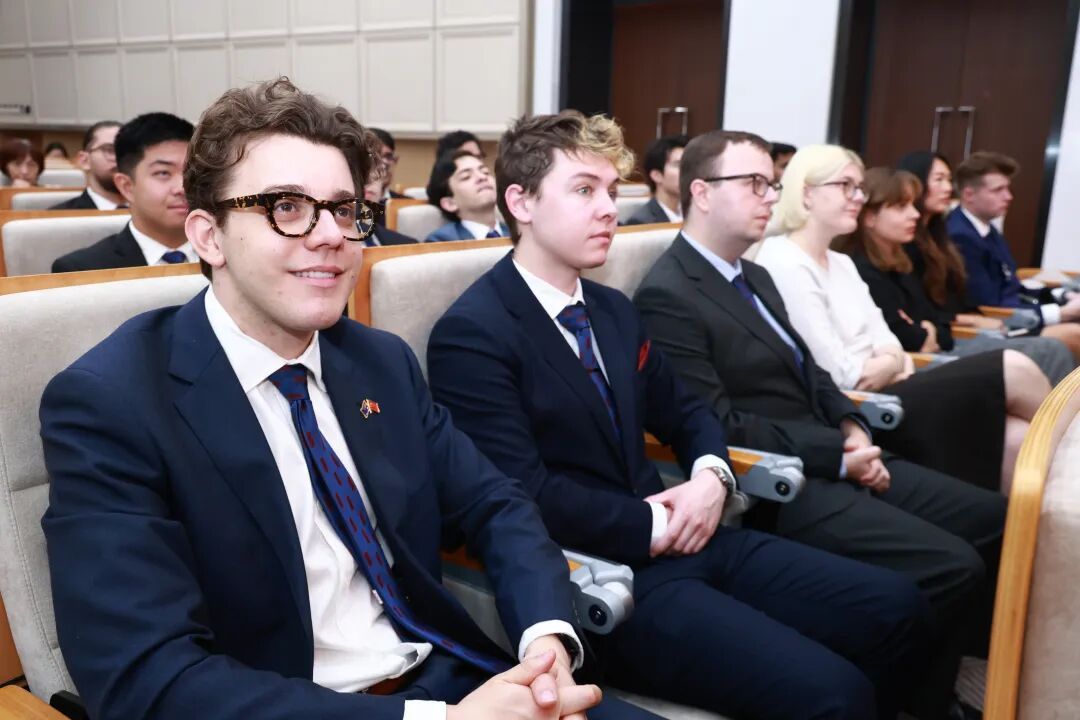
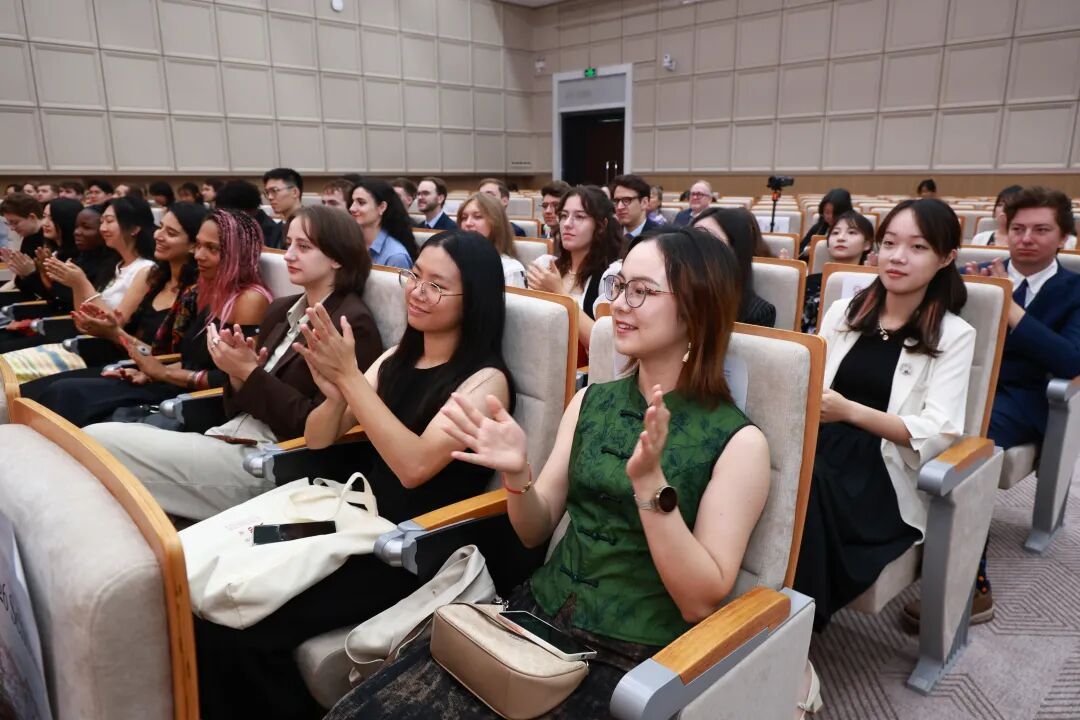
On the morning of September 5, 2026 as the whispers of autumn blew through campus, the Yenching Academy of Peking University welcomed its newly minted 12th cohort of Yenching Scholars with the annual opening ceremony at Qiulin Auditorium. Over one hundred students from across the globe gathered in the recently renovated lecture hall on Peking University’s historic Yanyuan campus to take the first step of their journey in China Studies.
In attendance at the ceremony were Honorary Dean Yuan Ming; Former WHO Assistant Director-General and Distinguished Chair Professor of Planetary Health at the Institute for Global Health and Development, Dr. Bernhard Schwartländer; Dean of Yenching Academy, Dong Qiang; Associate Dean Fan Shiming; Associate Dean Brent Haas; Assistant Chen Changwei; and Associate Professor of Political Science at the School of Government, Zhang Jian.
The ceremony began with a rousing performance by Zhao Weiyao on pipa and Xue Haoyuan on cajon, warming up the crowd with “Stepping Higher,” a classic Cantonese tune, and following it up with fast-paced “Give Me a Rose,” a piece originating in Central Asia. Students, staff, and family members alike raised devices to film the performance and listened attentively as stringed melodies resounded through the auditorium.
Shortly afterward, a video message appeared from the 11th cohort: Tian Hailun (China), Krupa Chandra Sekhar (USA), Danel Van Mensel (Belgium), and Vicente Revello (Argentina) imparted sage advice, favorite experiences, and best wishes for the new cohort, expressing excitement for the year of possibilities ahead.
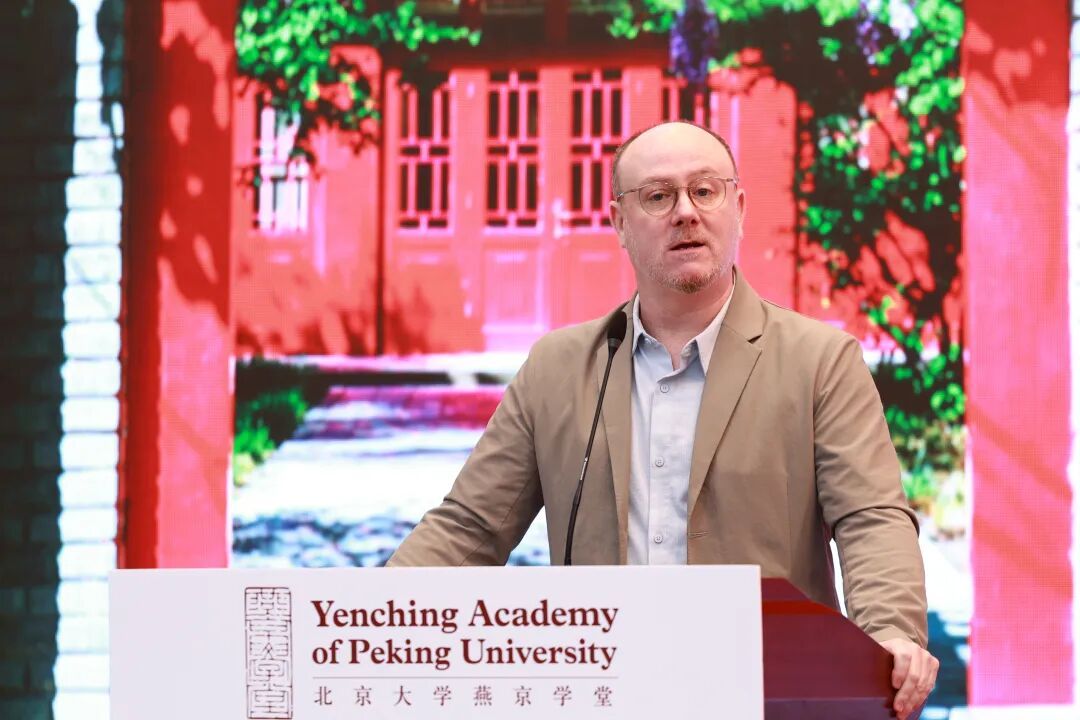
In the following segment, Associate Dean Brent Haas delivered opening remarks, welcoming them to Yenching Academy once again. He emphasized the importance of balance between academic, career, and personal pursuits, recommending that the new cohort find a sustainable way to take care of their personal and mental health while still “getting the job done” in their role as graduate students. The concept of balance is also relevant to the dichotomy of present versus future: students will more easily find a balance between planning and improvisation if they temper their goals with an openness to the unexpected. Given the significant proportion of international students at Yenching Academy, Associate Dean Haas urged students to resist falling easily into overly general expectations based on culture. Although impossible to completely abandon existing preconceptions, he strongly recommended thoughtful consideration of one’s lived experience rather than forcing observations into preconceived theories or ideas. Despite Yenching’s China Studies program being designed for Scholars to learn about the “big picture,” Associate Dean Haas endorsed intellectual balance between the larger issues with issues of local and regional diversity that Scholars might encounter in their personal lives or experiences.
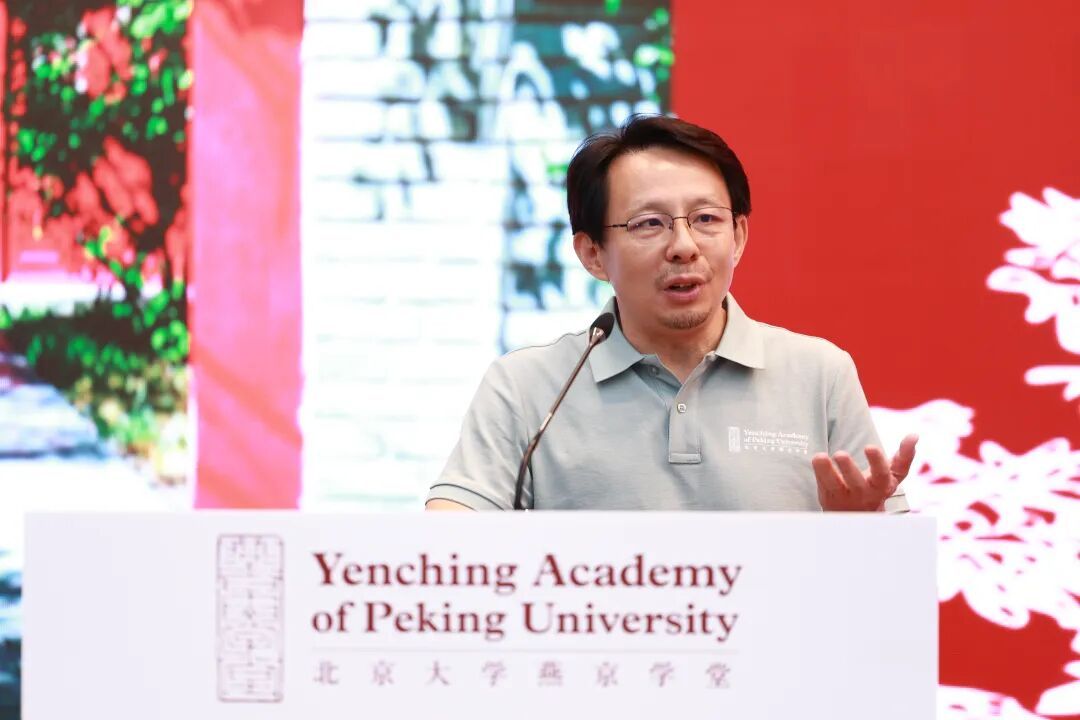
Faculty Representative Zhang Jian, Associate Professor of Political Science at the School of Government, was next to offer congratulations and advice to the incoming class of Yenching Scholars. Intentionally dressed in a Yenching Academy polo and slacks as if it were a typical day in the classroom, Associate Professor Zhang brought a refreshing energy to the ceremony as a longtime China in Transition course instructor. He noted the diversity of the class of 2028 and reiterated the collective goal to understand China as an ancient civilization, complex political economy, and great country. At the core of his speech, he offered an interpretation of the Yenching University motto, “Freedom and truth for service,” arguing that only by delving deeply into scholarship to gain true knowledge can one break free from the shackles of misinformation and prejudice. Although Yenching University’s campus was later absorbed into Peking University in the early 1950s, Associate Professor Zhang claimed that the “Yenching way” is to understand previous achievement and good fortune as something owed to others, including family and greater community. In a highly competitive environment where cynicism and elitism often get in the way, he urged the incoming cohort to enable and empower themselves and others to advocate for a better future for all.
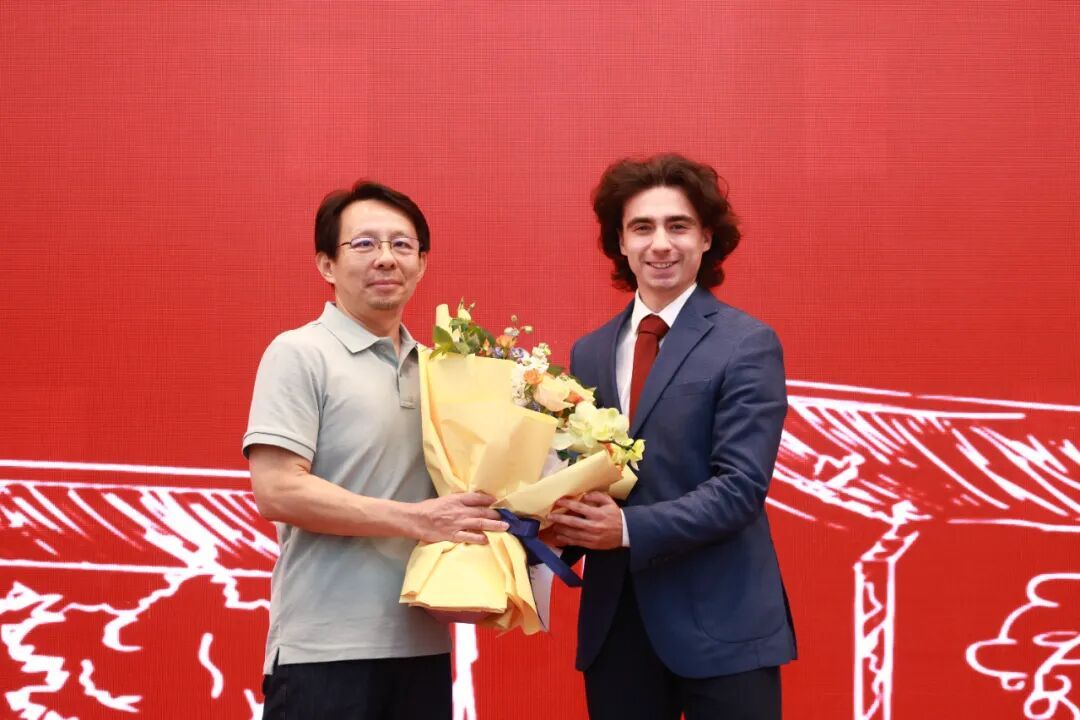
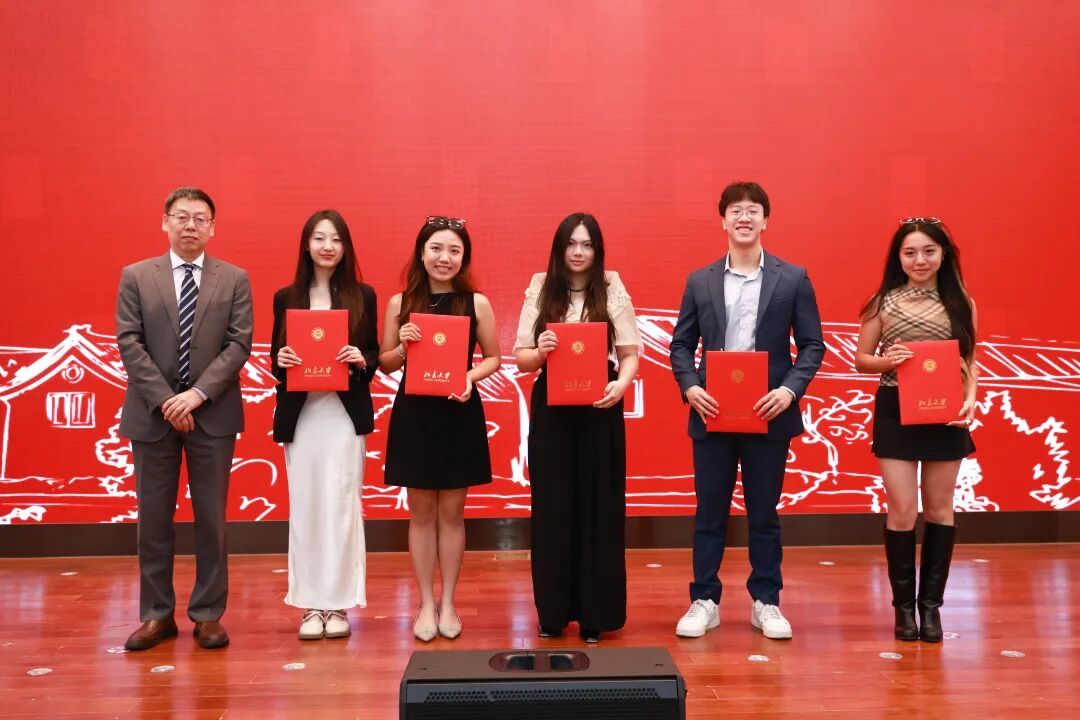
Following the two speeches, Associate Dean Fan Shiming held space for a special interlude: the announcement of the Outstanding Academic Achievement award recipients for the 2025-2026 school year. Although the award is typically granted to the top ten GPA holders, this year, several people had the exact same average, resulting in thirteen recipients. He congratulated the 11th cohort for their academic excellence, expressed hope for their continued achievement in the second year, and conveyed high expectations for the next cohort of Yenching Scholars.
The recipients included: Tian Hailun (China), Peter Ludvig Davis (USA), Krupa Chandra Sekhar (USA), Michael Kosei Delphia (USA), Wei Runpeng (China), Jiang Jianxing (China), William Oliviero (UK), Oriana Cuenca (Philippines), Lee Jia Qian (Singapore), Blake Kravitz (USA), Charis Yang (Australia), Ashley Leung (USA), and Justin Hurley (USA).
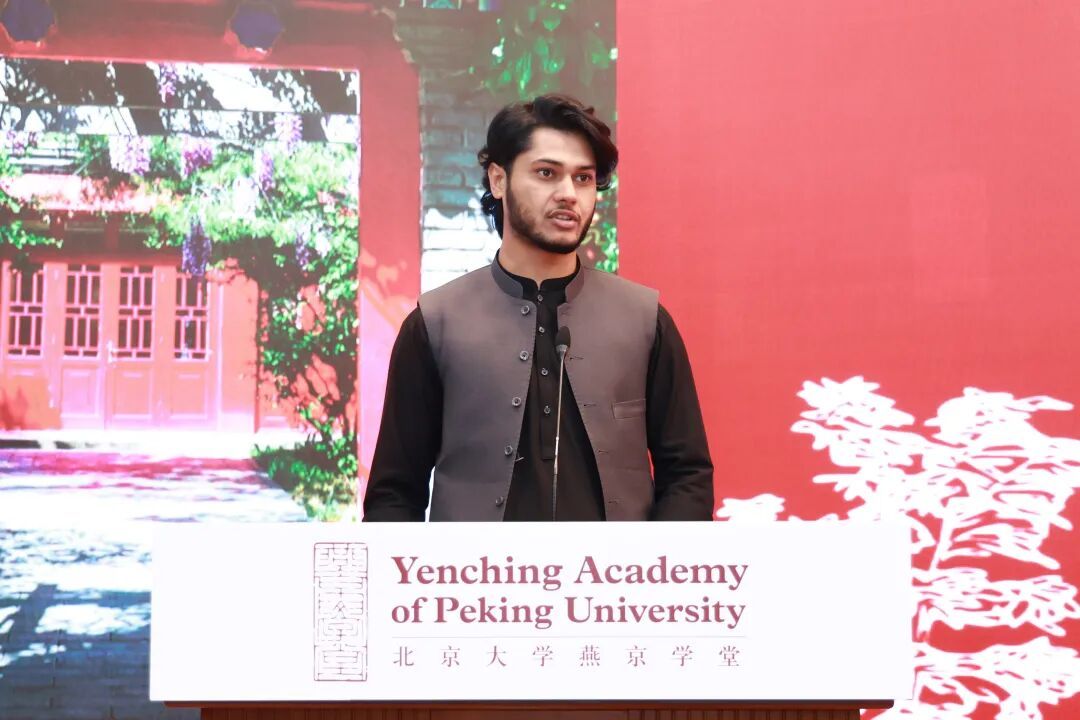
Naqibullah Mashwani from Afghanistan represented the 12th cohort as the student speaker. His educational journey as an Afghan refugee born and raised in Pakistan meant that every challenge became an opportunity to learn, grow and connect with others. He recounted his childhood experience in a village school with only two teachers that had traveled a significant distance, often through difficult weather. From this, he learned that making a difference is less about the title that one is given, and more about the willingness to help. He articulated his excitement at the opportunity to begin a shared journey of learning with his newfound classmate, not only to learn about China, but also to learn from each other. His experience as the founder of the International Afghan Students’ Association to support Afghan students around the world underlined the importance of a sense of belonging; Mashwani closed his speech with the hope that these two years at Yenching Academy would leave everyone with more understanding, impact, and confidence to build bridges.
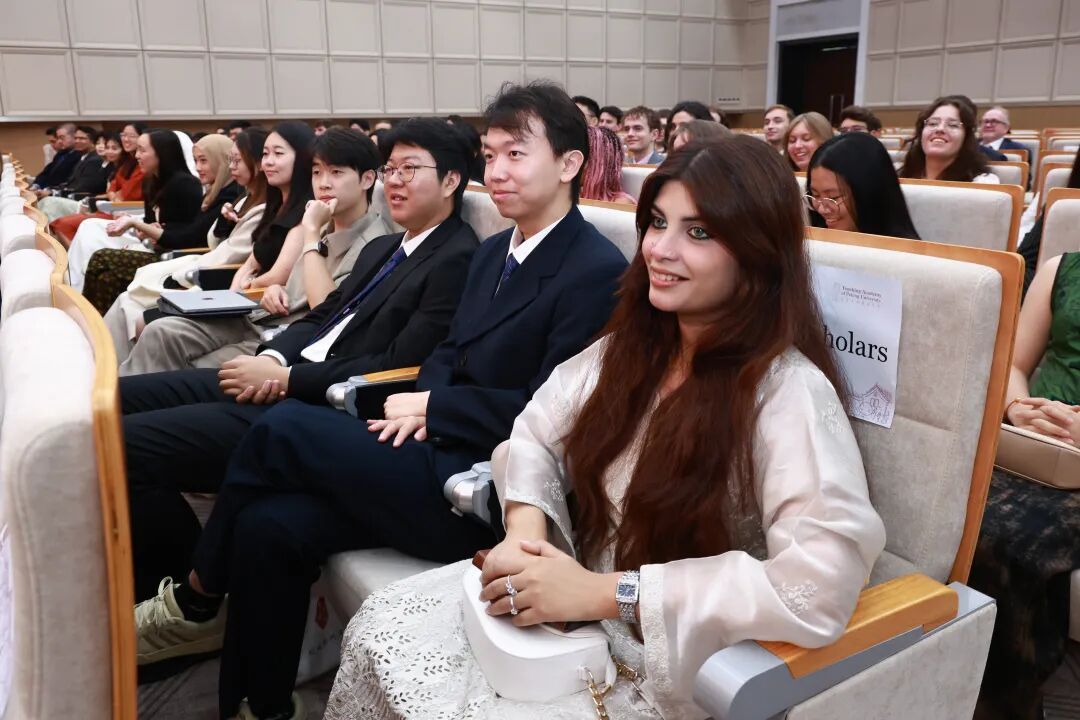
The most heartwarming opening ceremony segment by far was the surprise compilation of video messages from loved ones. Whether near or far, family and friends shared their excitement, gratitude, and dreams for those who had recently left home. Every story, joke, and fun fact brought warmth and strength into the auditorium as the new class of over a hundred new students prepared to begin their time in Yanyuan.
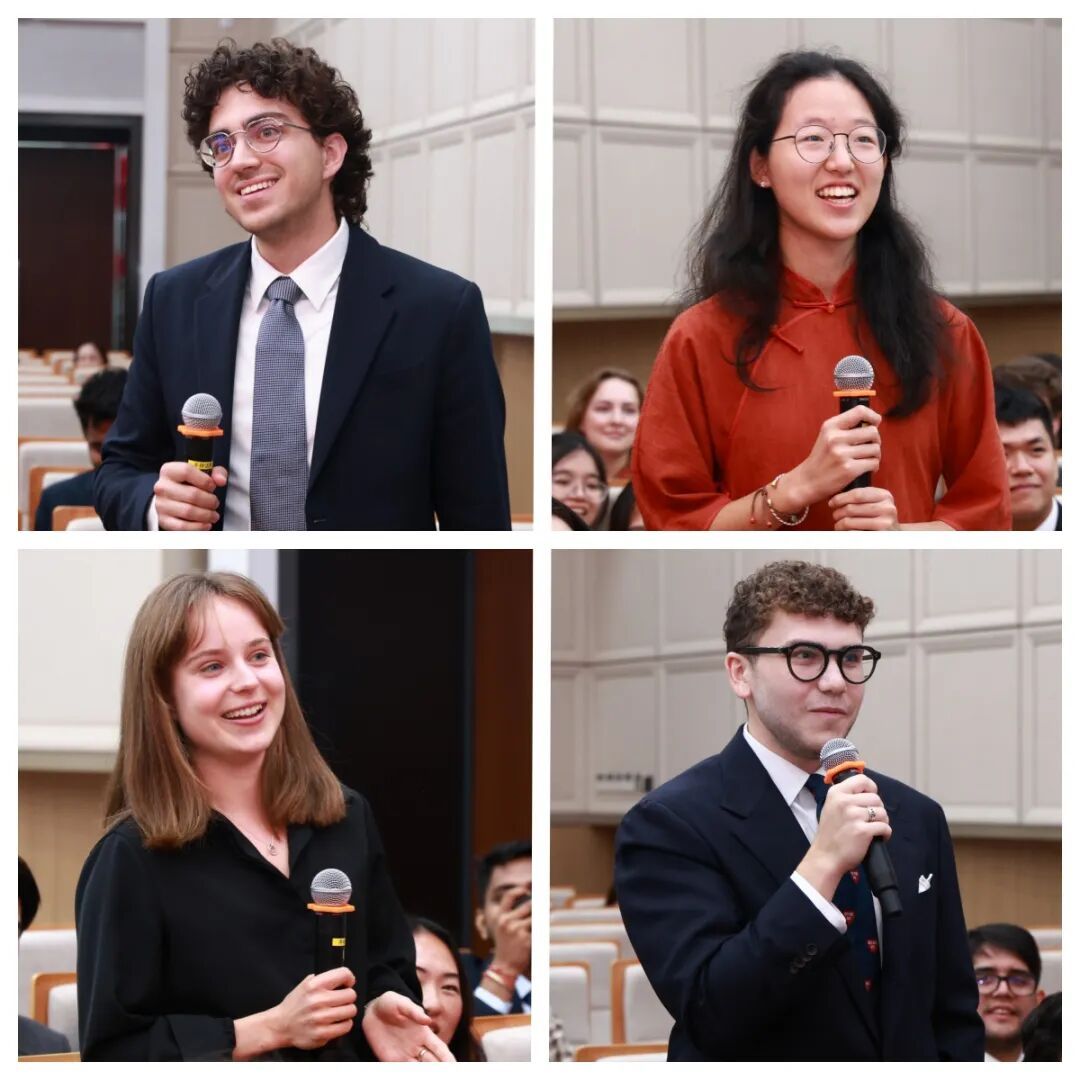
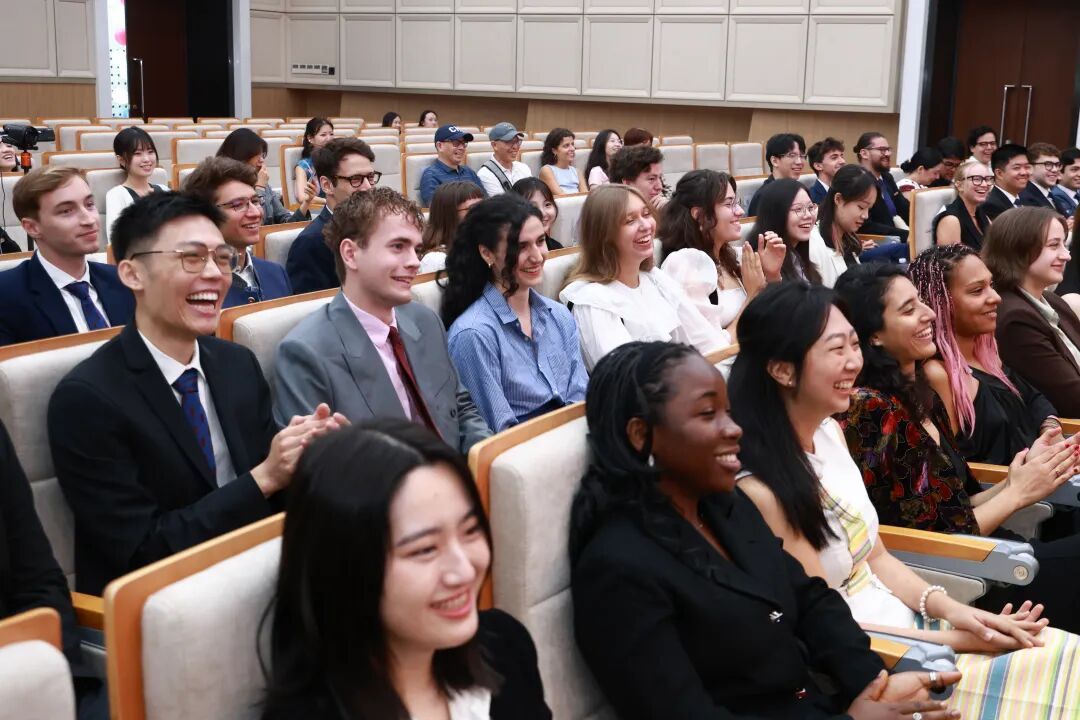
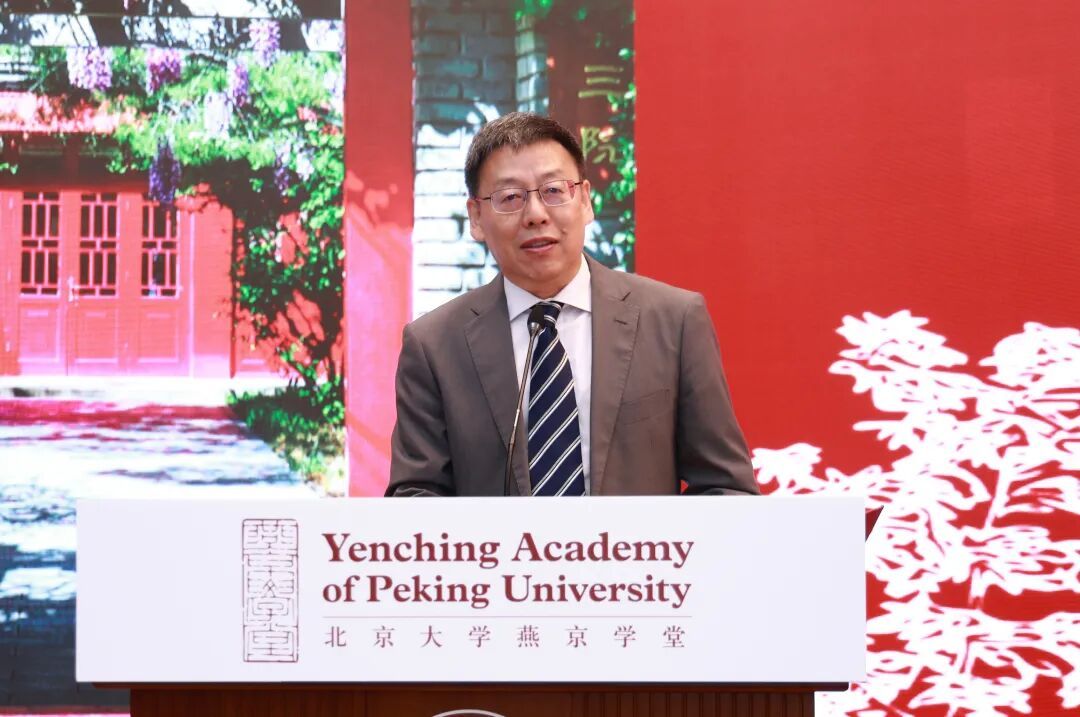
In his opening remarks, Dong Qiang, Dean of Yenching Academy, began by paying tribute to all those who have contributed to the Academy’s development. He remarked that Yenching Academy is a true family, nurtured and protected by its elders. Dean Dong Qiang emphasized that Yenching Academy’s development relies not only on a passionate and efficient team, but also on the dedicated teaching of its faculty. This year’s incoming class has undergone multiple rounds of rigorous selection; along the way, they have traversed diverse academic paths, cultural backgrounds, and life experiences, ultimately converging at Jingyuan. Dean Dong Qiang remarked that the story of Naqibullah Mashwani, a student from Afghanistan just moved the entire audience with his remarkable transformation from a displaced refugee into a student at Yenching Academy. This resilience and ability to overcome adversity highlights the power of youth and embodies the qualities that Yenching Academy holds dear.
Next, Dean Dong Qiang discussed the evolving nature of the teacher-student relationship, noting that we can no longer simply adhere to a one-way model of “teachers imparting knowledge” or students “giving back.” To this end, he carefully designed his first interdisciplinary lecture for the first-year students, which he had just shared with them one day prior. Using a game involving Chinese character cards featuring Western masters such as Kafka, Giacometti, and Picasso, he demonstrated the charm of Chinese culture and its potential for modernization. He cautioned the students that beneath the superficiality of the zeitgeist lies a rich and captivating depth to this world that is worth exploring and pursuing. He emphasized that in the age of the attention economy, box office receipts, followers, and likes can easily become the yardstick for measurement; however, the accumulation of knowledge and the development of leadership are inseparable from an independent character and a critical spirit. In the face of a flood of information, one must maintain composure and strive to develop objective and accurate judgment.
Finally, Dean Dong Qiang called on everyone to work together to build and foster a culture and ethos unique to the Yenching Academy. Over the past twelve years, the Academy has become an important international educational platform for Peking University to reach out to the world and cultivate future leaders. Upholding the mission of “Focusing on China, Contributing to the World,” it continues to explore the development of internationally-oriented talent. He encouraged students from around the world to bring their local cultures and the academic essence of their home universities to Yenching Academy, and to showcase their talents in classrooms, the Creative Pavilion, activity rooms, and beside the Pleyel piano. Previous students staged A Midsummer Night’s Dream and shared the stage with The Peony Pavilion, building a bridge for dialogue between Eastern and Western civilizations. He hopes that all incoming freshmen will carry on this tradition of cultural exchange and mutual learning, embody the spirit of the humanities, and work hand in hand with faculty to build the Academy’s unique culture.
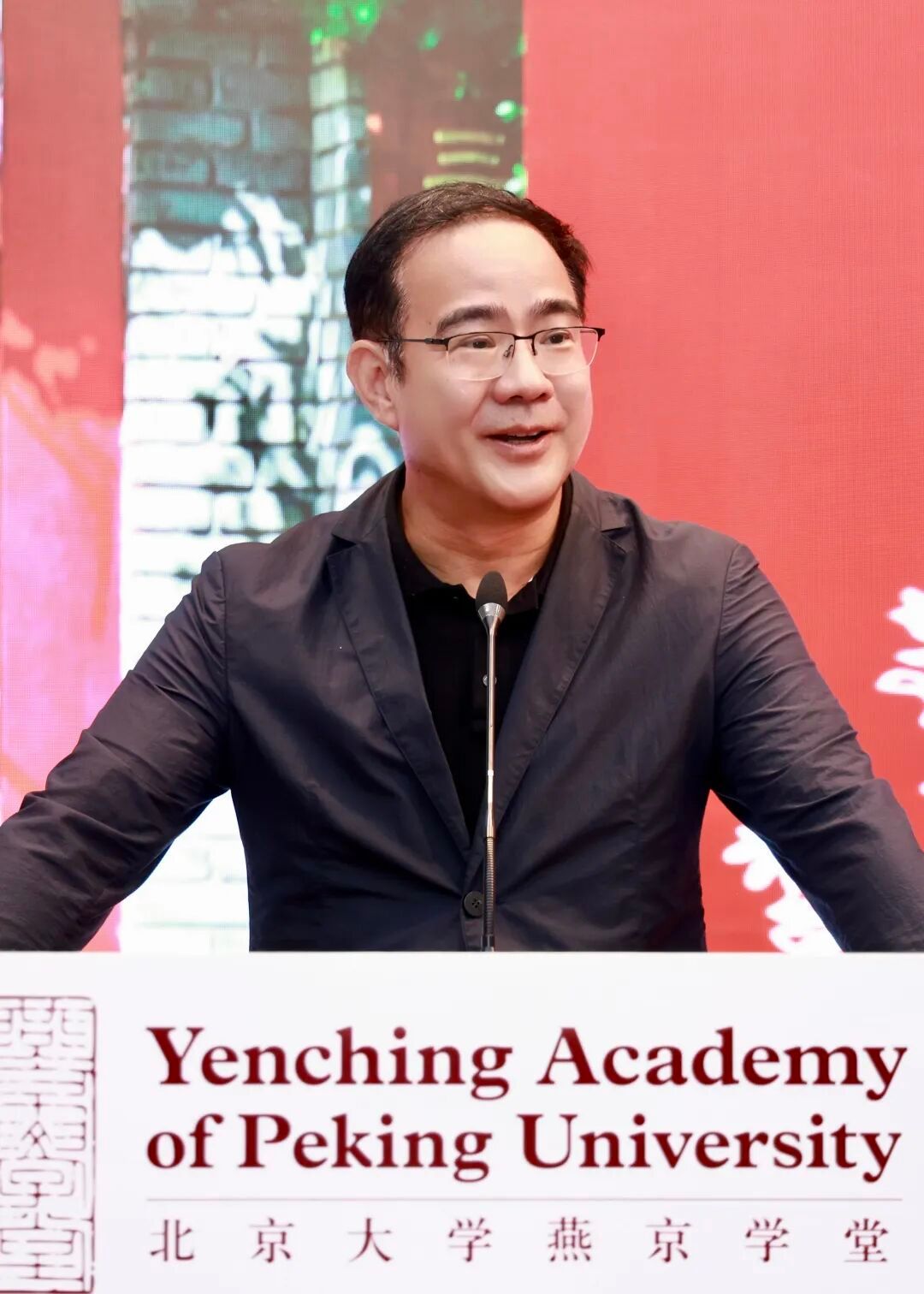
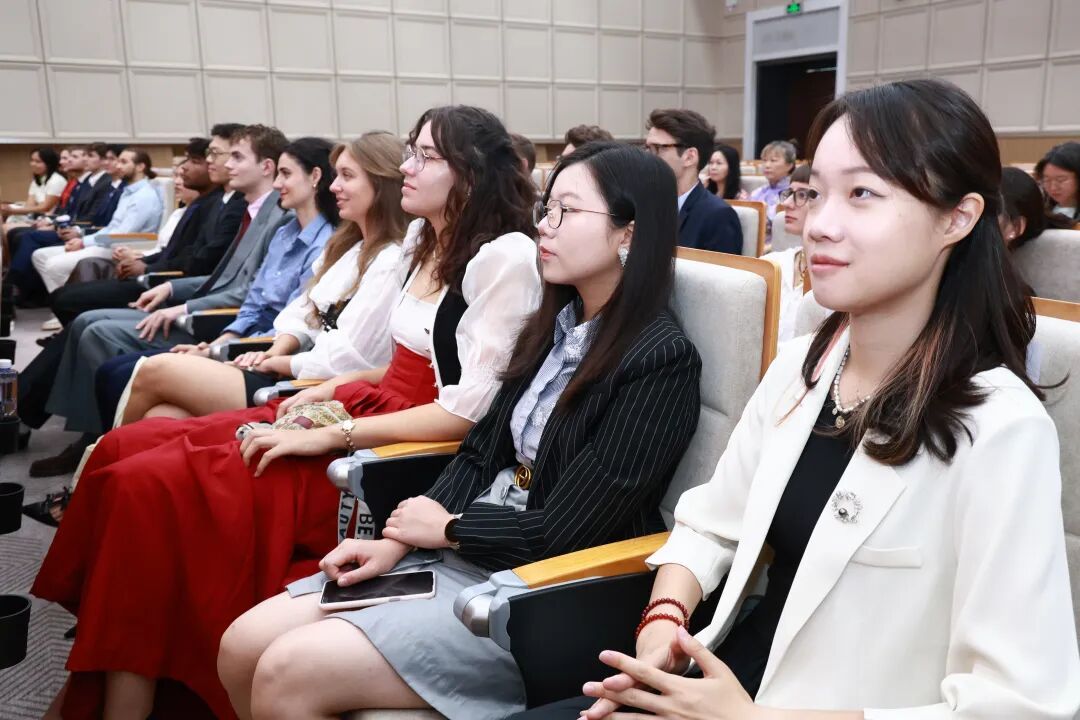
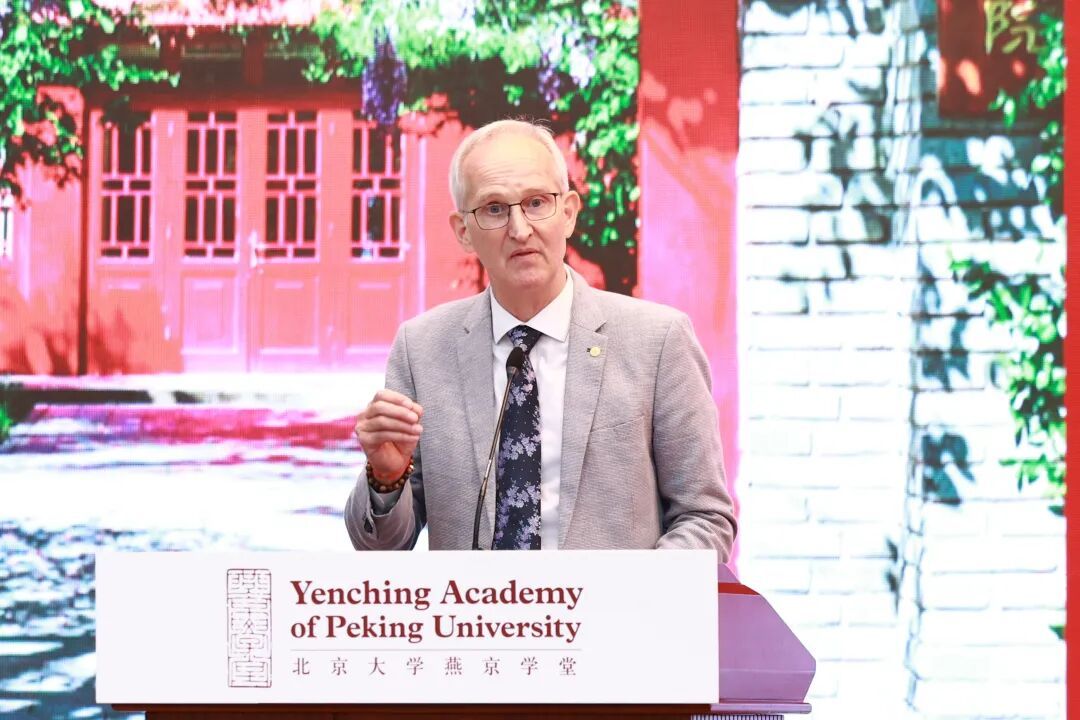
Bernhard Schwartländer, Former WHO Assistant Director-General and Distinguished Chair Professor of Planetary Health at the Institute for Global Health and Development, extended warm congratulations to the incoming students in his address. He noted that the Yenching Academy brings together outstanding young people from around the world, and that the exchange and interplay of different cultures will greatly enrich each individual’s horizons and understanding. He encouraged the students to not only become scholars during their two years at Peking University but also to emerge as future leaders of change.
In his remarks, Bernhard Schwartländer shared four points for reflection. First, maintain humility, respect, and honesty. Citing his experiences researching HIV during its early years of discovery—when he was unable to provide answers to dying patients—he explained that this period taught him that saying “I don’t know” is not a sign of weakness but rather a manifestation of wisdom; true learning begins with listening and curiosity. Second, challenge unreasonable rules. He recounted an incident at the International AIDS Conference in Durban, South Africa, where a judge posed a question before an audience of 50,000: “Why is it that some people get to live simply because they are relatively wealthy, while millions upon millions are left to die?” This challenge led to a historic breakthrough in the cost of antiretroviral drugs, reducing the price from $15,000 to $45 per year. He used this example to remind the audience that many rules, though seemingly unbreakable, are in fact nothing more than lines drawn by human hands—lines that can be questioned and rewritten. Third, confront the challenges to the health of our planet. He pointed out that issues stemming from climate change—such as glacial melt, frequent extreme weather events, declining agricultural yields, population migration, and the spread of infectious diseases—do not exist in isolation but are interconnected and interdependent. Relying on a single country or a single discipline is far from sufficient; rather, we must break down national and disciplinary barriers to foster global collaboration. Fourth, to find one’s own mission. He shared difficult moments from his career: after the Durban Conference in South Africa, he sat in the back row of a hall filled with thousands of people, feeling that all his efforts had made no difference, and he almost wanted to give up; during the COVID-19 pandemic, he also broke down late into the night after hours of tireless work each day. But each time, he never truly walked away; what sustained him was not titles or achievements, but a deep sense of mission. He advised the students to write down the people and causes they truly care about, then use this as a source of strength to find reasons to keep moving forward in the face of adversity.
Citing China’s eradication of malaria— a disease that had ravaged the country for thousands of years but was declared eliminated in just a few short years—as a closing example, he demonstrated that so-called “impossibilities” are often merely illusions that people have grown accustomed to accepting. His personal experience in helping to enact Beijing’s tobacco control regulations also underscored this point. After years of effort, an opportunity finally arose unexpectedly, and it was precisely that enduring persistence and preparation that enabled him to seize it effectively. He encouraged everyone not to be confined by existing boundaries, but to maintain curiosity and courage to break through the “impossibilities” held within their own minds.
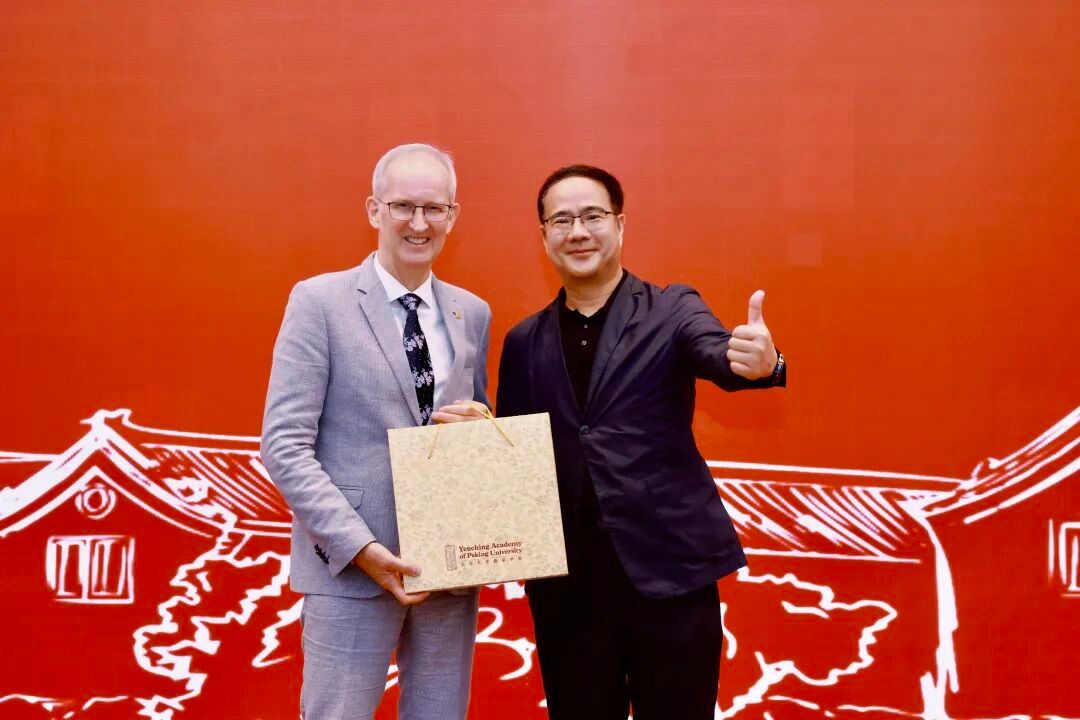
The opening ceremony finished with a rousing round of applause. We anticipate the 2026 Cohort’s conversations and discoveries as they make their way through Yanyuan for the next two years. Finally, we look forward to how they open new and exciting stories.