Yenching Academy held the tenth Yenching Global Symposium (YGS 2026) from April 16 to 19.
YGS 2026 Harnessing Momentum: The Power to Act in a Changing World explored topics on international relations, technology, and culture, to meld minds from diverse cultural and academic backgrounds and navigate the volatile global landscape.
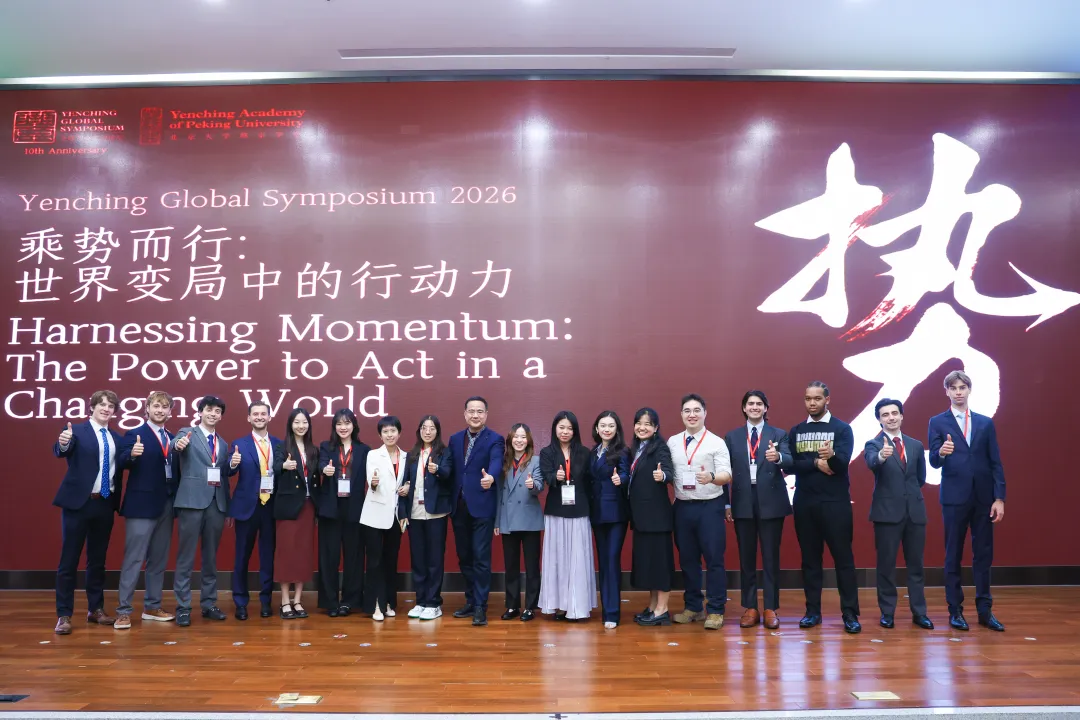
YGS 2026 invited approximately 30 speakers, including Michael Levitt, Nobel laureate in Chemistry (2013), member of the National Academy of Sciences, member of the Royal Society, and Professor of Structural Biology at Stanford University; Arnold Howitt, Executive Director of the Roy and Lila Ash Center for Democratic Governance and Innovation at Harvard Kennedy School; Nicholas Lardy, Senior Fellow at the Peterson Institute; Li Daokui, Professor of Economics at Tsinghua University; and Lola Woetzel, Senior Partner Emerita, McKinsey & Company; Former Director, McKinsey Global Institute. A total of 192 delegates from 50 countries and regions attended the Symposium, including 83 external delegates and 109 Yenching Scholars from Cohort 2025. The YGS 2026 Executive Committee was composed of 16 Yenching Scholars from the 2025 Cohort.
YGS 2026 explored topics concerning international relations, technology and innovation, economic transition, education, and cultural exchange in six panels under three themes— “Grasping New Power Relations,” “Action on the Frontiers of Innovation,” and “Empowering the Human Dimension.” The four-day Symposium provided a leading platform for delegates to engage in dialogues with experts, scholars and practitioners, navigating shifting global dynamics and charting a blueprint for international cooperation and progress.
Panel 1: Geopolitics, Great-Power Competition, and the Future of the Global Order
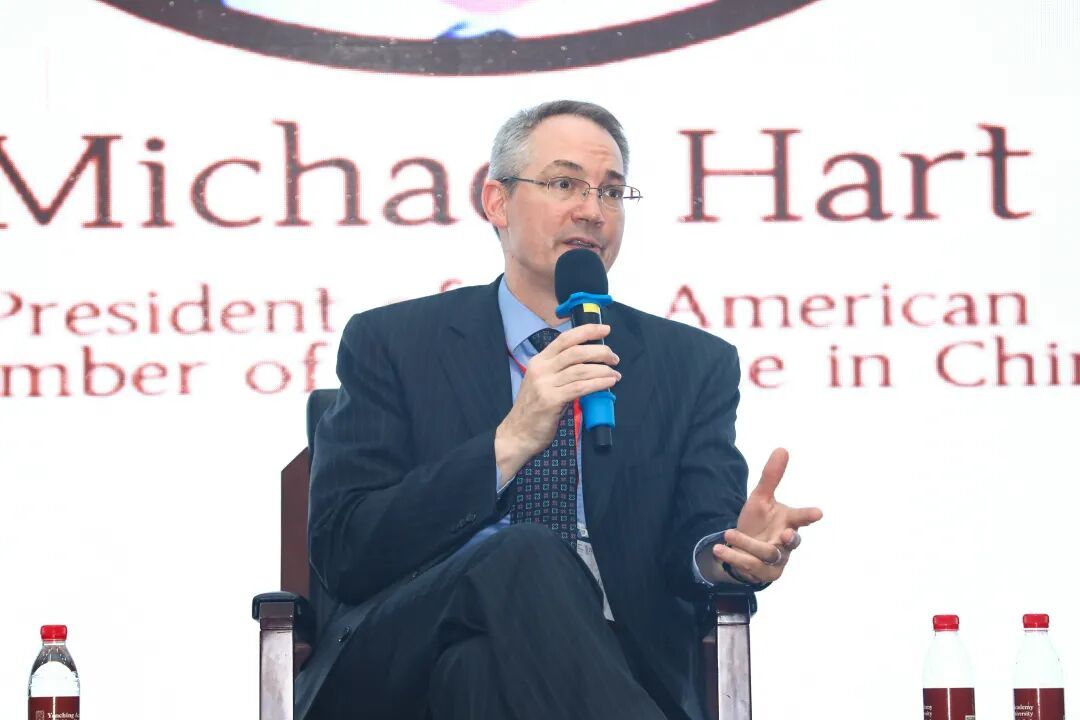
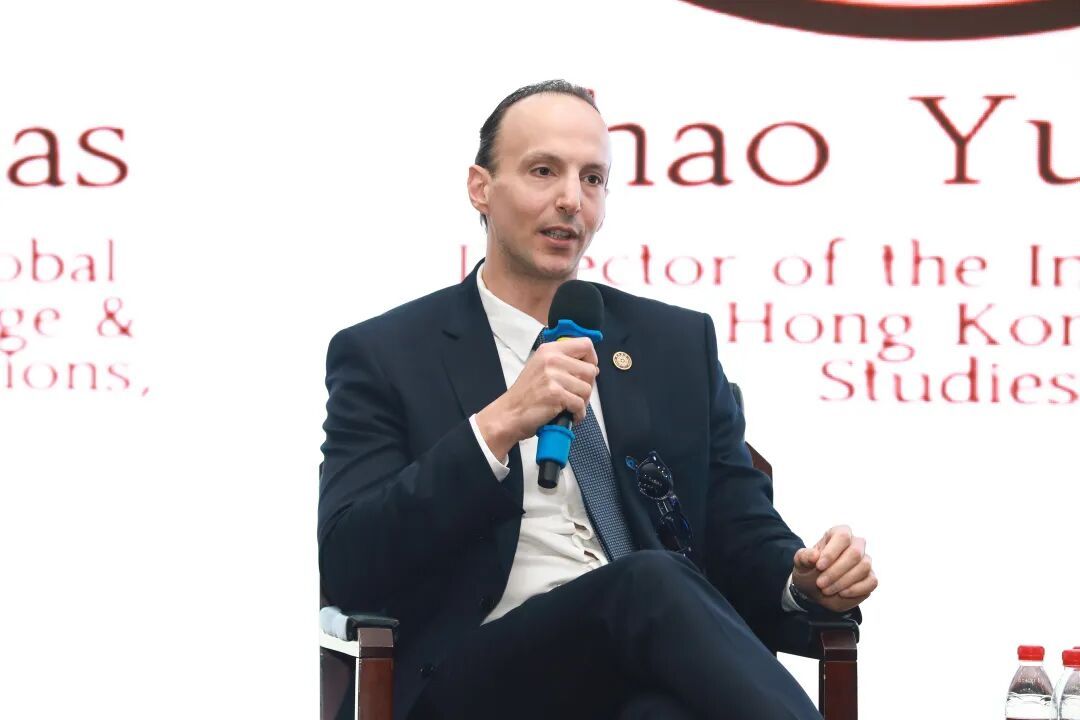
Uncertainty is the one certainty for the future of the world order, as the global landscape remains volatile and great-power competition intensifies. This panel brought together scholars and practitioners into an interdisciplinary dialogue, to examine how geopolitical rivalries, economic interdependence, and emerging security challenges reshape the global order. The panelists included Xie Tao, Professor and Dean of the School of International Relations and Diplomacy at Beijing Foreign Studies University; Shao Yuqun, Director of the Institute for Taiwan, Hong Kong & Macao Studies and Senior Research Fellow at the Center for American Studies, Shanghai Institutes for International Studies; Vasilis Trigkas, Assistant Professor of Global Affairs jointly appointed at Schwarzman College and the Department of International Relations, Tsinghua University; and Michael Hart, President of the American Chamber of Commerce in China. Kaiser Kuo, host of Sinica Podcast and author, acted as the panel’s moderator.
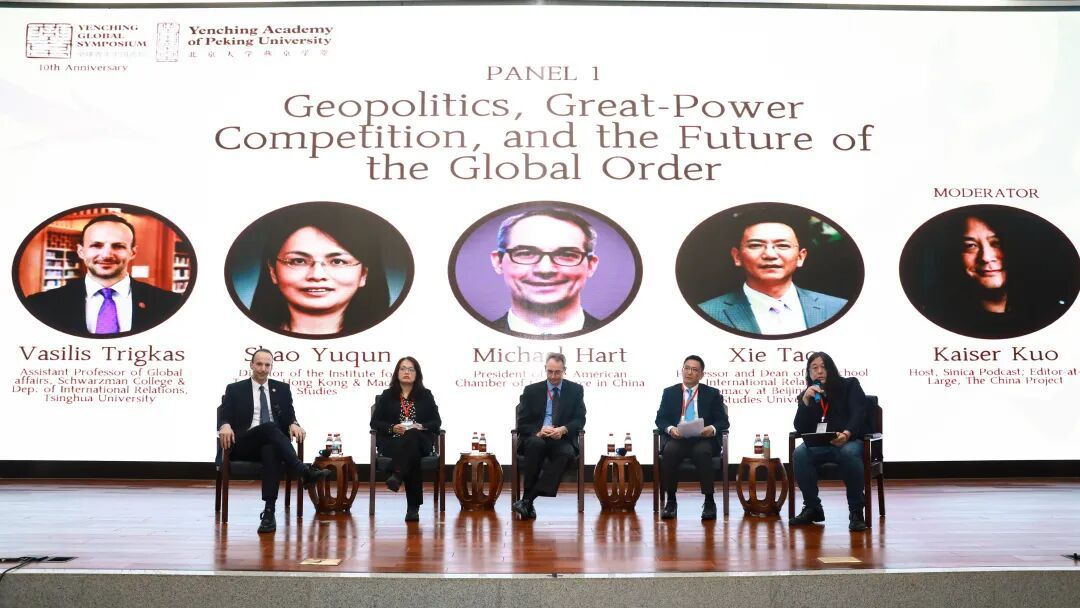
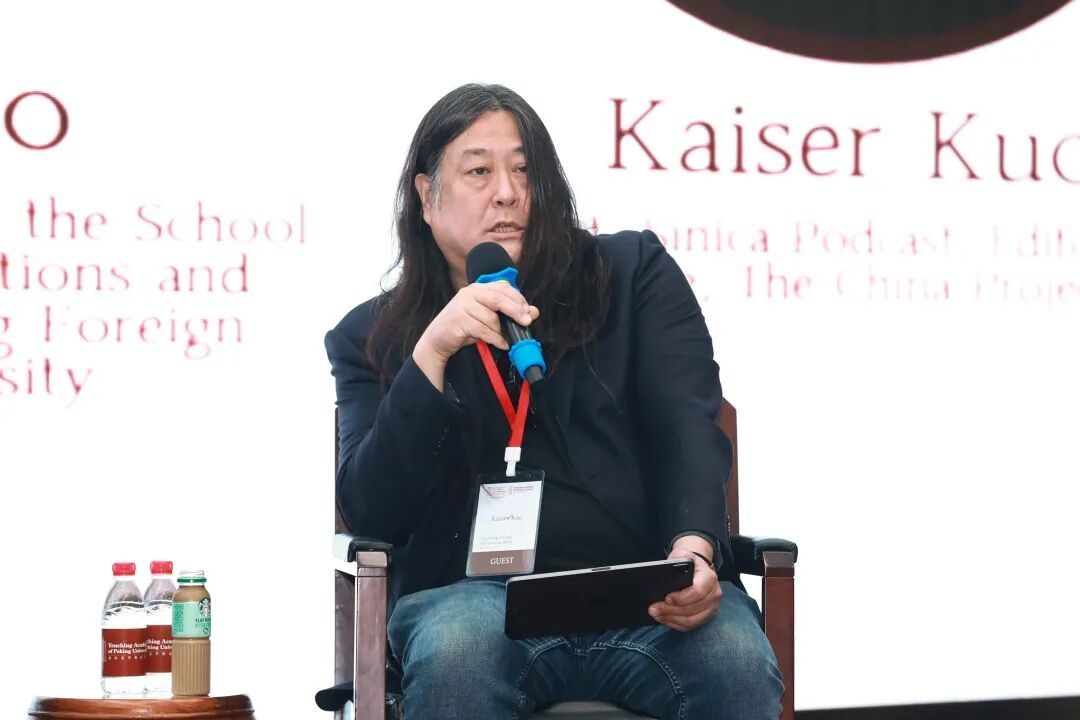
Kaiser Kuo observed in his opening remarks that the global system is fluctuating and that post-Cold War assumptions are unraveling. China-US relations constitute the core structural contradiction in the changing landscape. The intertwined relationship is defined by interdependence and mutual constraint. Kuo noted that the global issues, from climate change, AI governance to trading system, are becoming more complex amid great-power competition. Whether the world will have a new equilibrium or fall into chronic disorder is a phenomenon deserving of debate and enduring attention.
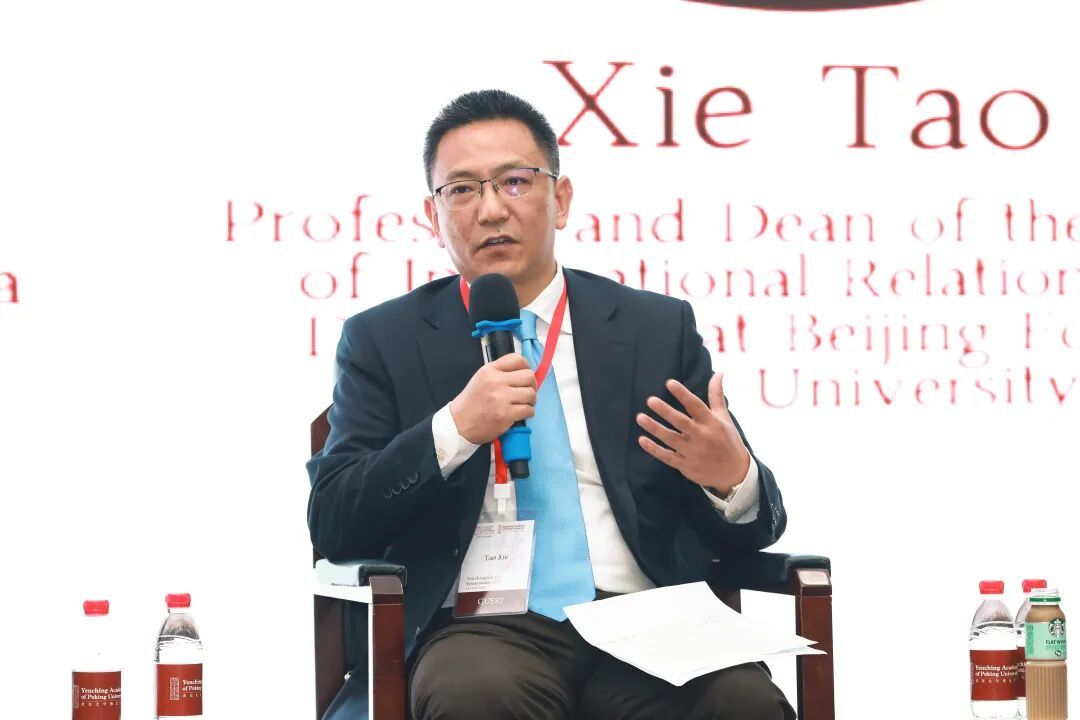
Xie Tao argued that this stance is an overreaction and that it is paranoid of the US to see China as a thread to the US national security. He pointed that the China-US relations are in a “dynamic stability” or “tactical stability,” instead of a “strategic durability,” and that the current stability relies largely on respective leaders’ decision and adaptive governance, rather than a shared vision between the two sides. Xie was optimistic about the near future. However, seen in a long run, competition is likely to increase, as the two countries “de-risk” their interdependence in technology and resources in key sectors. Consequently, the China-US relationship is likely to be steered more by emergencies than by strategic consensus. Therefore, managing potential crisis outweighs purely promoting cooperation.
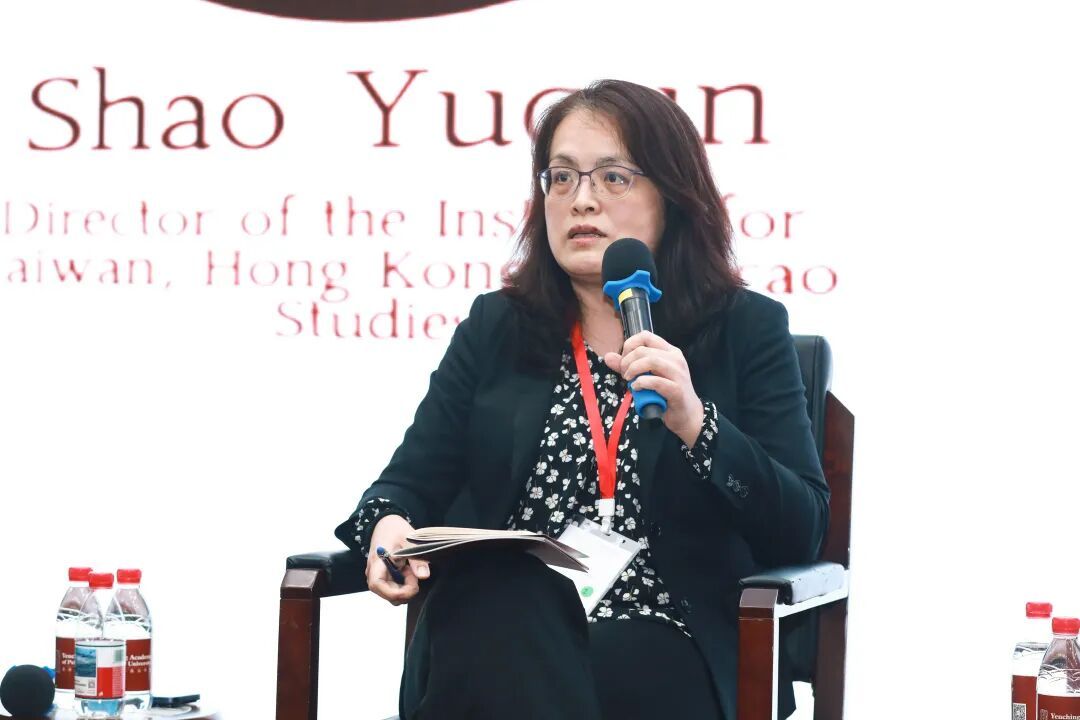
Shao Yuqun emphasized that the American strategic community holds biases against China, particularly the view that China’s rise poses direct challenges to the US hegemony, while ignoring China’s development-centered strategic objectives. She also noted that uncertainty will be a new normal in the global order, which is in turn subject to multiple factors, such as US domestic politics, the rise of China and the Global South, and technological changes. In this context, China shall provide international public goods in a measured manner and take on responsibilities in line with its national strength, to foster international cooperation and consolidate the stability of the global order.
Michael Hart analyzed from a commercial perspective the widespread concern over fairness permeating American society behind the China-US trade tensions. Hart argued that China’s rise has unfolded alongside globalization and that China is shifting its focus to domestic circulation and supply chain security. According to Hart, China’s strategic transformation aims to enhance the nation’s self-reliance, whereas it reduces the traditional market for foreign capital, reducing the role of commercial ties as a stabilizer in the bilateral relations.
Vasilis Trigkas reflected on great-power competition from a theoretical perspective. He noted that China’s strategy leans more toward development and restraint. Moreover, he expressed grave concern over the global landscape of nuclear security, noting that arms control regime is weakening while the risk of nuclear proliferation is rising. He called on cooperation between major powers, particularly China, the US, and Russia, to restore the arms control regime. He argued that China-EU trade tensions have been amplified, to some extent, by the “overcapacity of China” rhetoric, while overlooking Europe’s own energy and industrial deficiencies.
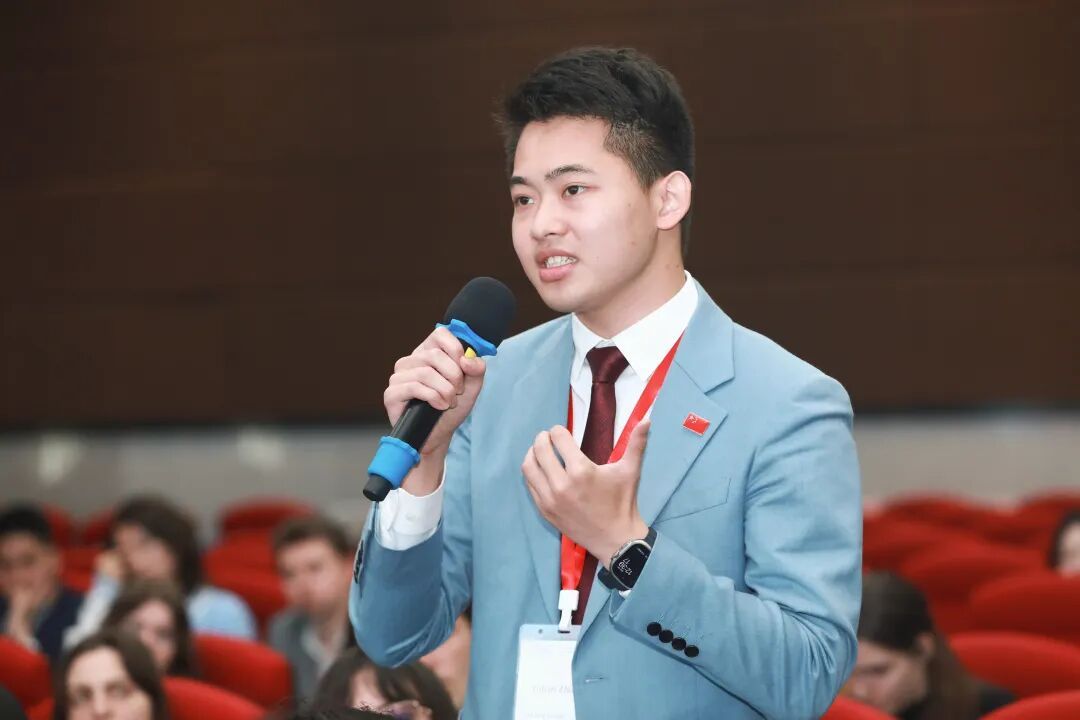
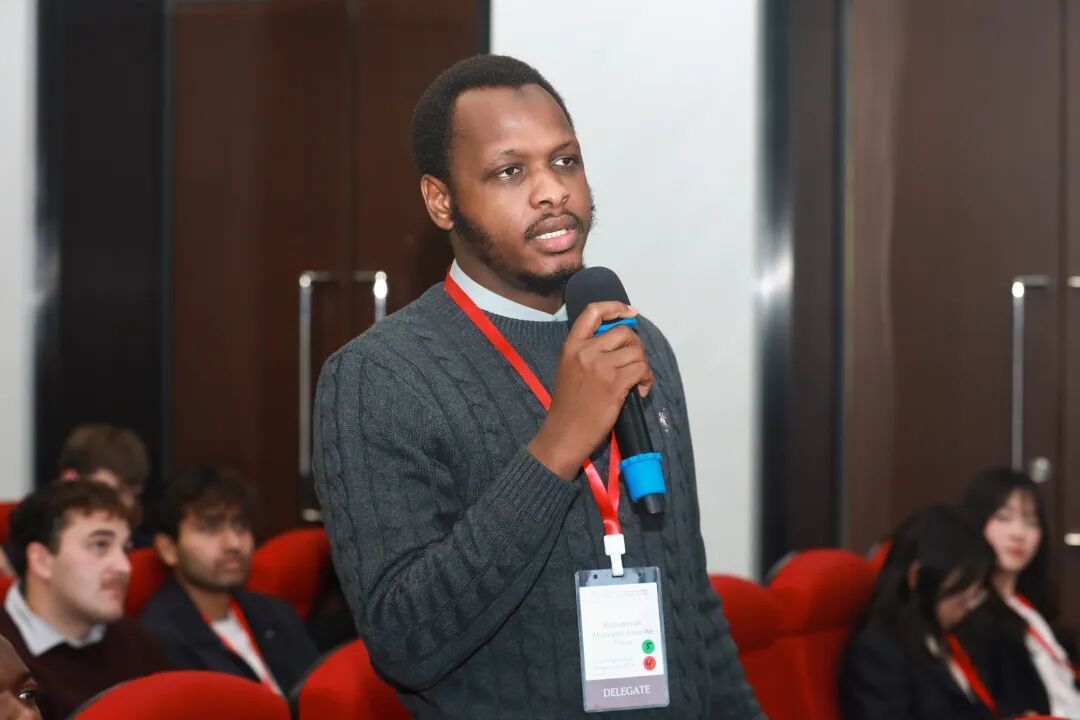
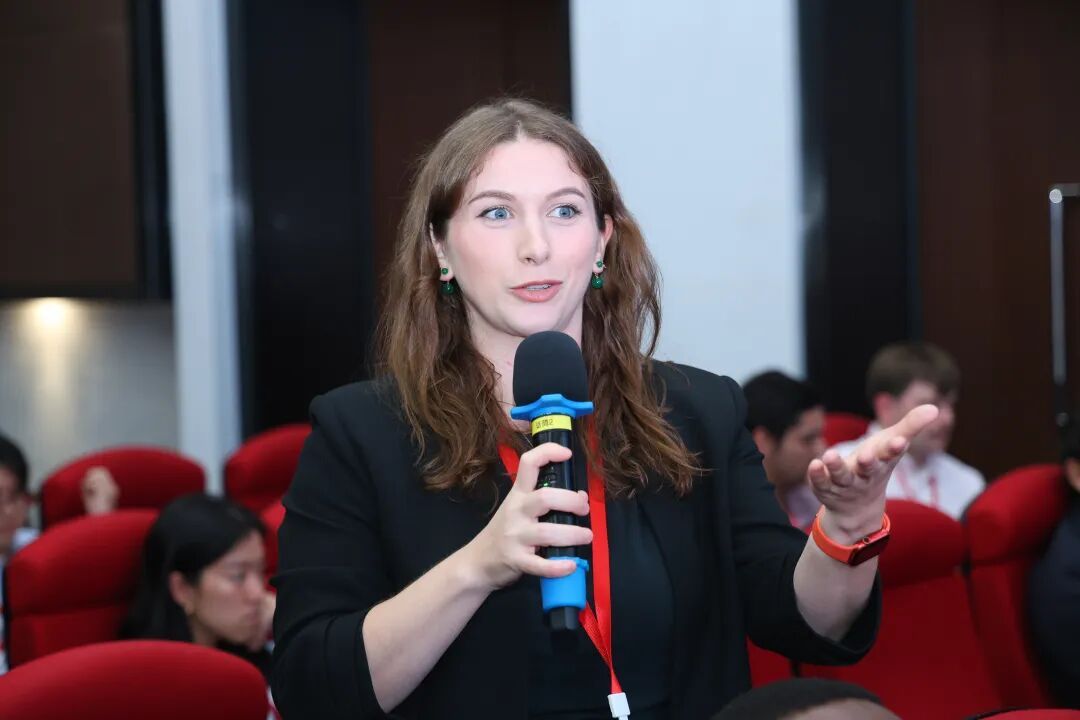
In the Q&A session, the delegates touched on issues from China-US cooperation in climate change and AI domains to China’s role in the Middle East, future of China-EU relations, and the development prospects of the Global South. The issues point to uncertainties in global cooperation against the backdrop of intensifying great-power competition and reflect all parties’ continued expectation of deeper communication and broader space for cooperation.
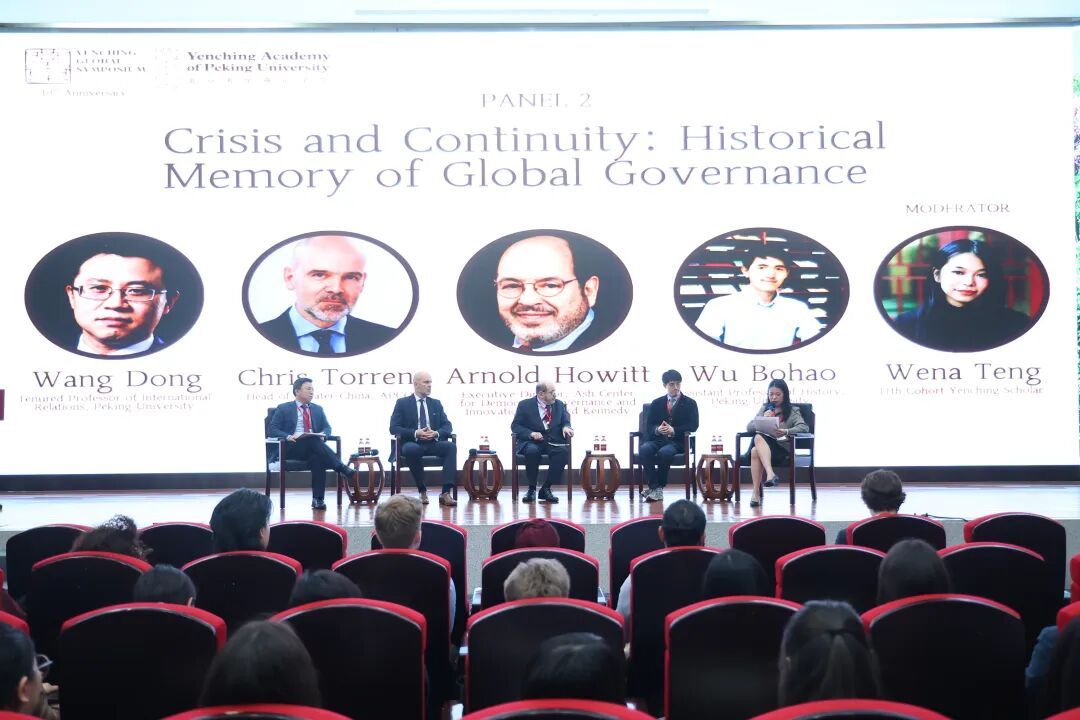
Panel 2: Crisis and Continuity: Historical Memory of Global Governance
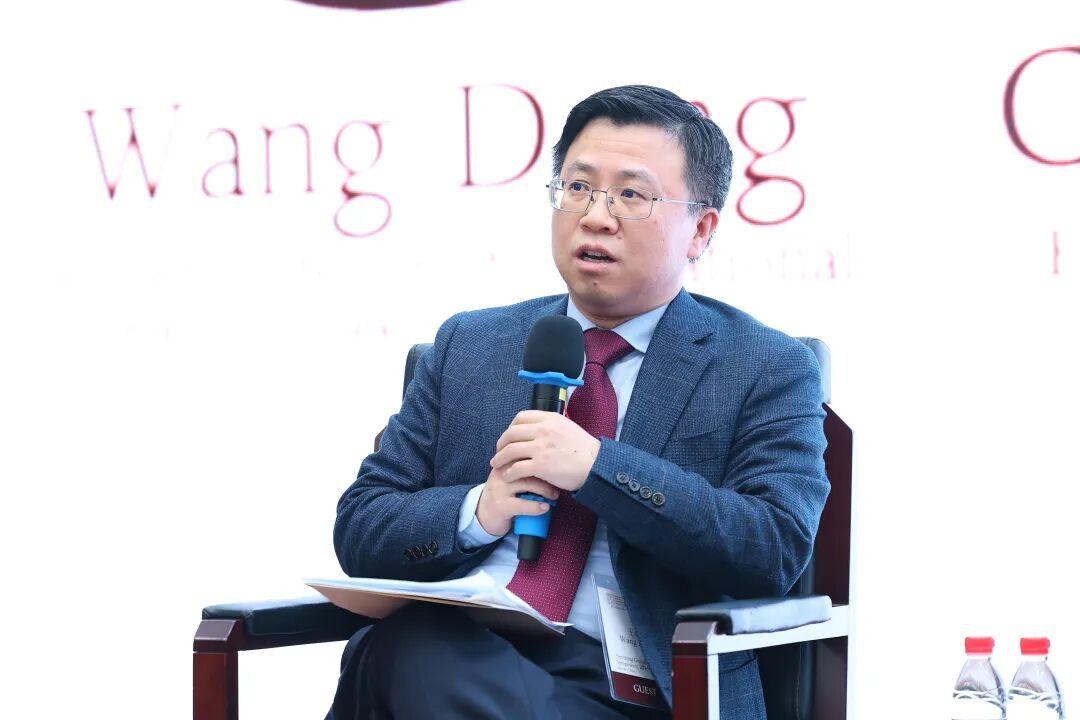
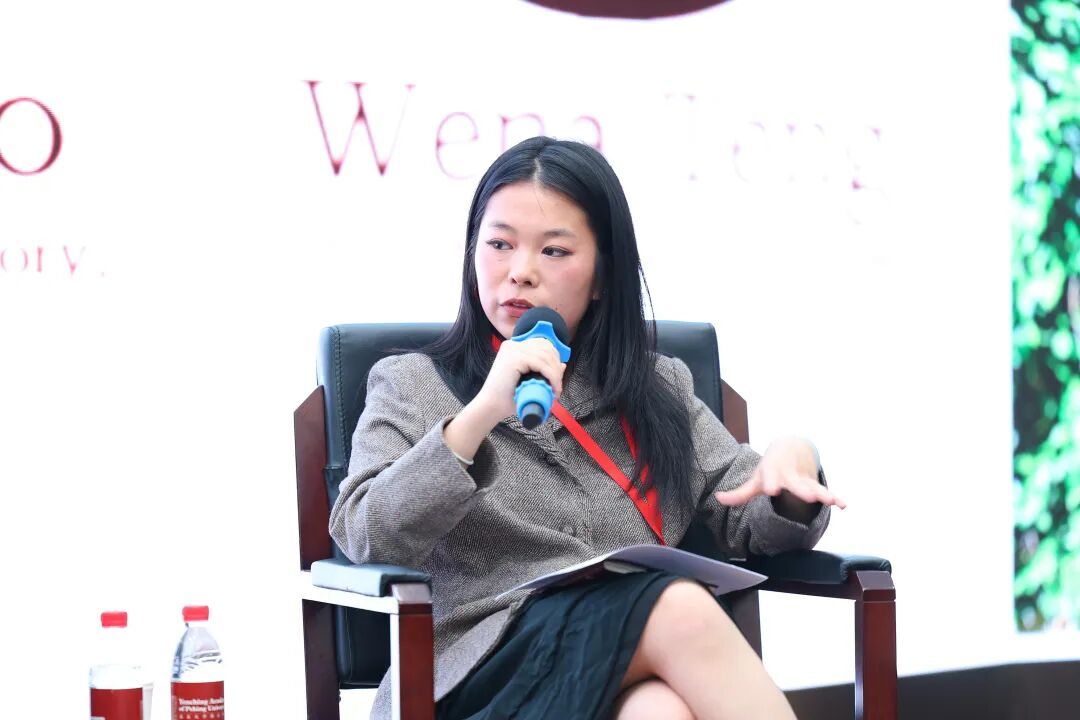
It is crucial and imperative to draw inspirations of governance from history to address geopolitical turbulence and systemic risks in the complex transition of the global order. Panel speakers, including Wang Dong, Professor of the School of International Studies, Peking University; Arnold Howitt, Founder and Faculty Co-Director of the Program on Crisis Leadership at Harvard Kennedy School; Wu Bohao, Assistant Professor of History, Peking University; and Chris Torrens, Head of Greater China, APCO, delved into historical experiences to inform contemporary global governance. Wena Teng, 11th Cohort Yenching Scholar and Co-Chair of YGS 2026 served as the moderator. The panel discussion centered on the essential identity of a crisis, institutional decay, capacity-cooperation nexus, and the Global South’s alternative governance models. The speakers also shed light on the major issues, such as private sector’s role and great-power crisis management.
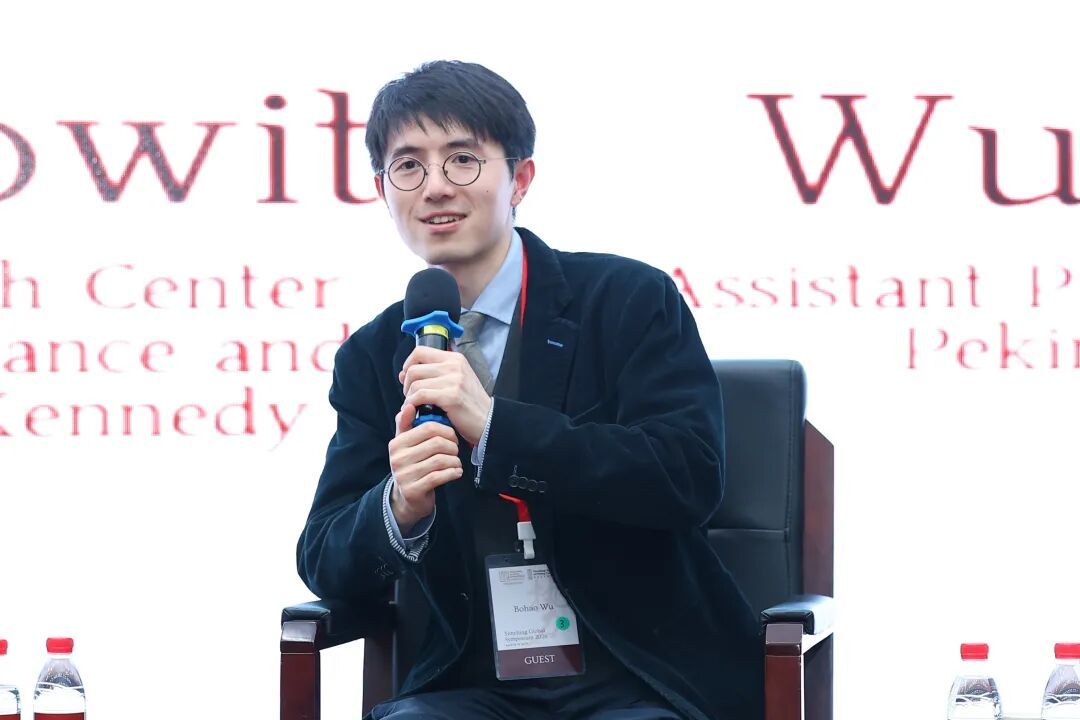
Wu Bohao was critical of crisis framing and favored “emergencies” for temporary disruptions. According to Wu, in long historical cycles there have been no single continued orders; rather, global systems such as monetary order have been in flux. He emphasized that state capacity is the bedrock for addressing crises. He noted that bloc barriers gave place to pursuit of interests, even in a period of heightened tension like the Cold War era. For instance, regional organizations like ASEAN served as a buffer mechanism in times of crisis by leveraging economic interdependence among its members.
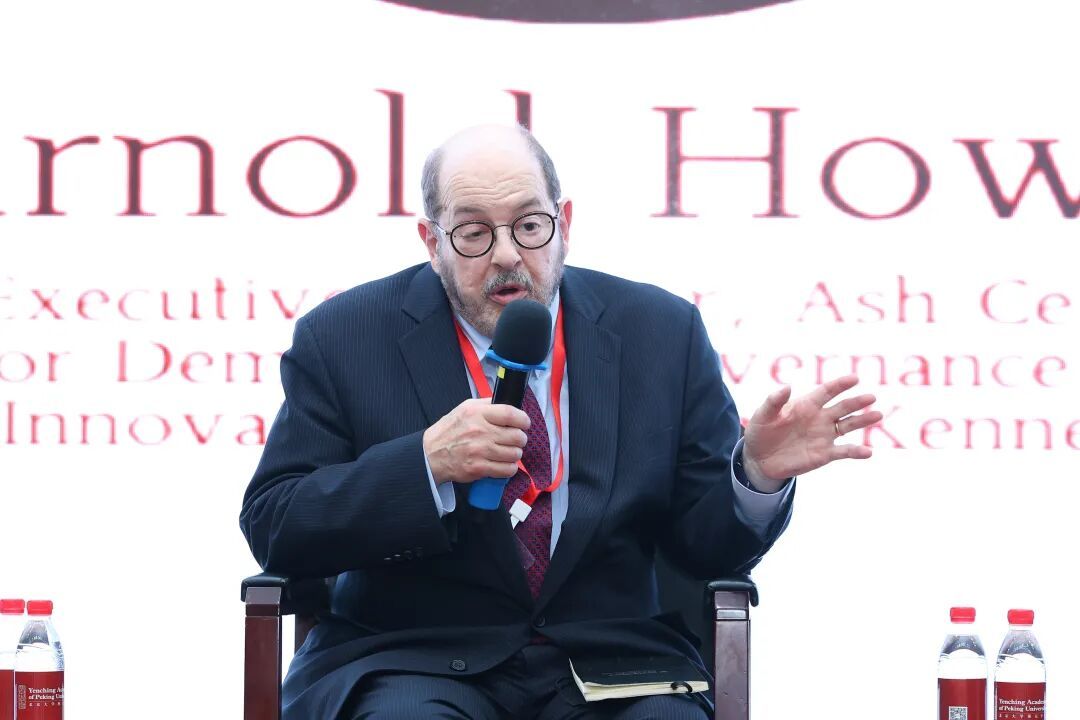
Arnold Howitt made clear distinctions between predictable emergencies, unprecedented crises, and anticipated highly contagious new infectious diseases, the biggest threats in the upcoming future. Positive about the enhanced emergency response capacities across the world in the past 50 years, Howitt showed concerns over inadequate international cooperation to handle global threats in future. By citing major international disaster relief efforts, Howitt observed that these often fail due to disrespect for the recipient’s sovereignty, as well as restraints and limitations of coordination mechanisms. He thus called for a more effective and efficient transnational cooperation network.
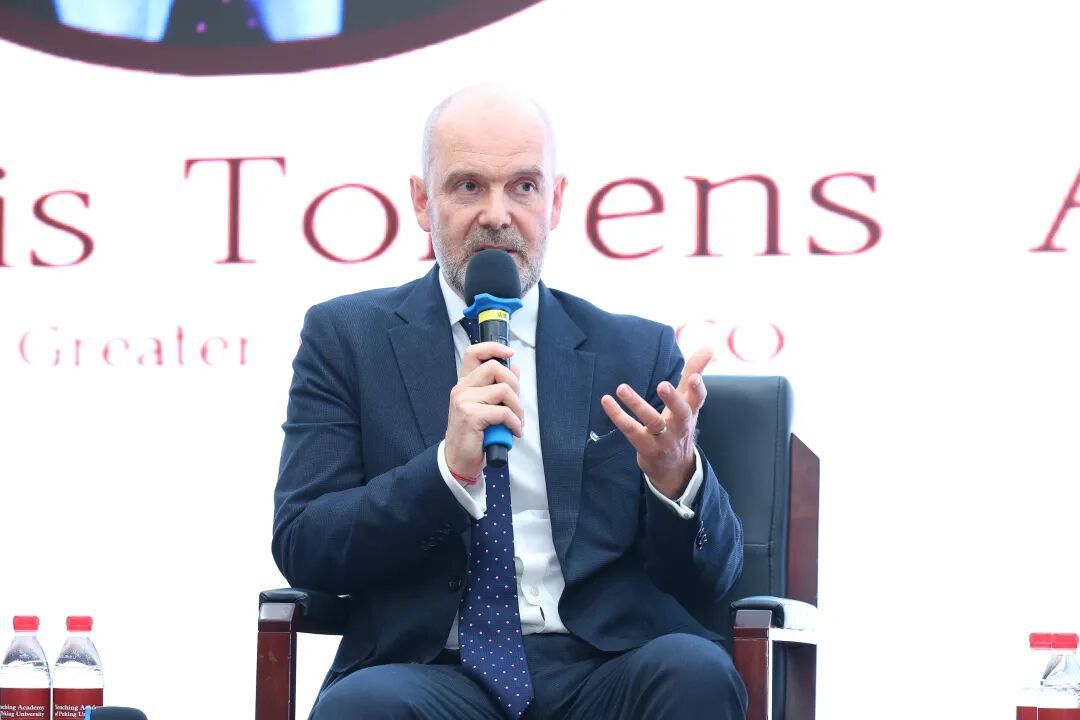
Chris Torrens noted that while crises usually mean business opportunities for transnational companies, seen globally, the true crisis is the worldwide institutional retreat amid populist waves from 1945 onward. Torrens firmly opposed entrusting private sector or technological hegemony with alternative governance models because companies are not in a position to assume responsibility due to existing constraints of political pressure and commitment to the bottom line. He insisted on reforming and revitalizing the existing global institutions and emphasized on the importance to recognize Chinese products’ role in improving community-level perception of China. Torrens affirmed cooperation, not confrontation, as the fundamental solution.
Wang Dong described the current dilemma as “a multilayered crisis” characterized by the systemic failure of global governance and accumulation of domestic inequality spillovers. According to Wang, the global order is undergoing a transformation; Global South cooperation as exemplified by the BRICS framework is gaining a wider presence from finance to politics and economy, propelling substantive changes to the system. He noted that the core of China’s Global Governance Initiative (GGI) lies in inclusiveness; the GGI attempts to chart a path of progressive reform within the existing system and incorporates a new framework to enhance the representation of developing countries in global governance.
The speakers pointed that global challenges are complex, systemic, and constructed; international institutions play an indispensable role despite the profound crisis of trust they are facing. In this landscape intertwined with competition and collaboration, global governance is undergoing a shift from a unipolar order to a multipolar one. A resilient global governance system can be reshaped out of turbulence only by strengthening countries’ national basic governance capacity, retaining and reforming the multilateral framework, and facilitating great-power crisis management and bottom-line communication.
Panel 3: Emerging Technologies, Sustainability, and the Future of Innovation
Amid accelerating technological iterations, innovation sits at the intersection of economic growth, environmental sustainability, and global competition. Lola Woetzel, Former Director, McKinsey Global Institute and Senior Partner Emerita, McKinsey & Company; George Chen, Partner and Co-Chair of the Digital Practice, The Asia Group; Cameron Johnson, Senior Partner at Tidalwave Solutions and Adjunct Professor at NYU Shanghai; Charles Cheng, Former Chairman, Société Générale (China); and David Fishman, Principal consultant at The Lantau Group offered insights on technological innovation and global sustainable development. Marceline Bresson from the 11th Cohort of Yenching Academy moderated the panel.
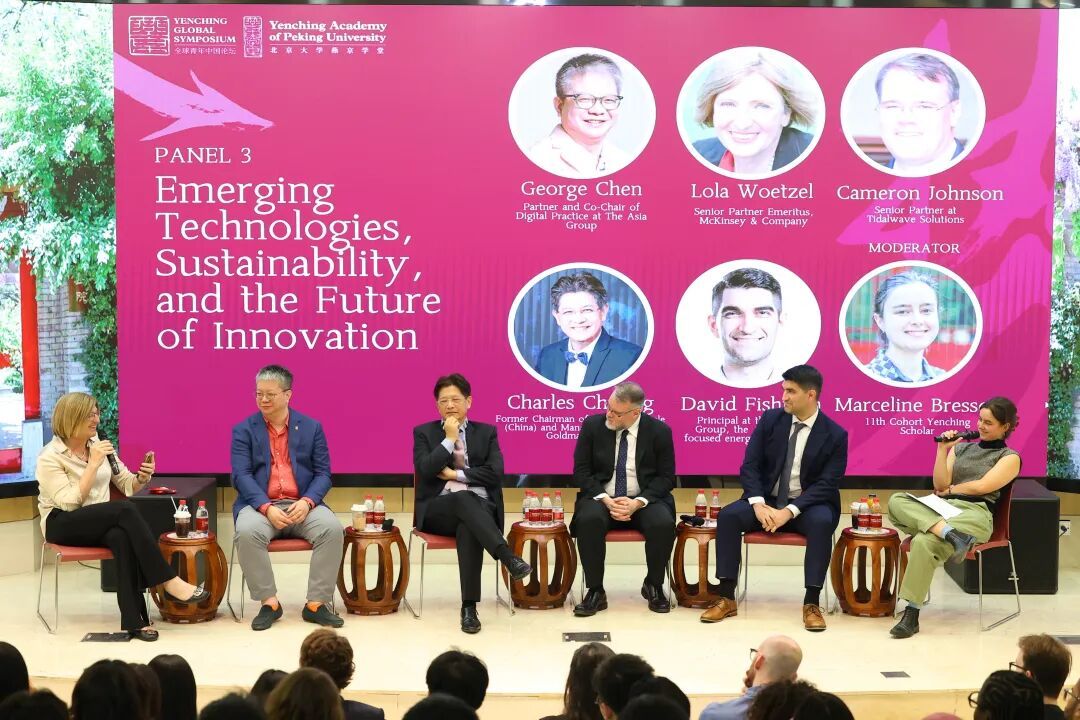
The panelists examined China’s transition from imitation to innovation, impacts of emerging technologies on industries and global landscape, great-power competition and space for cooperation, as well as energy transition and climate change. The speakers also had a debate over the issues concerning state, market, and boundaries in governing innovation.

Lola Woetzel observed that China’s path to innovation experienced a four-stage improvement process, from process, consumption, engineering, to lab-driven innovation. She argued that Chinese innovation is not simply a copy, but establishes structural advantages in diverse sectors such as biotech, solar PV, and EV, by leveraging manufacturing efficiency, market scale, and R&D investment. Woetzel stressed that China’s innovation grows out of a highly marketized competition process in which the government participates more as a client and partner than a top-down regulator.
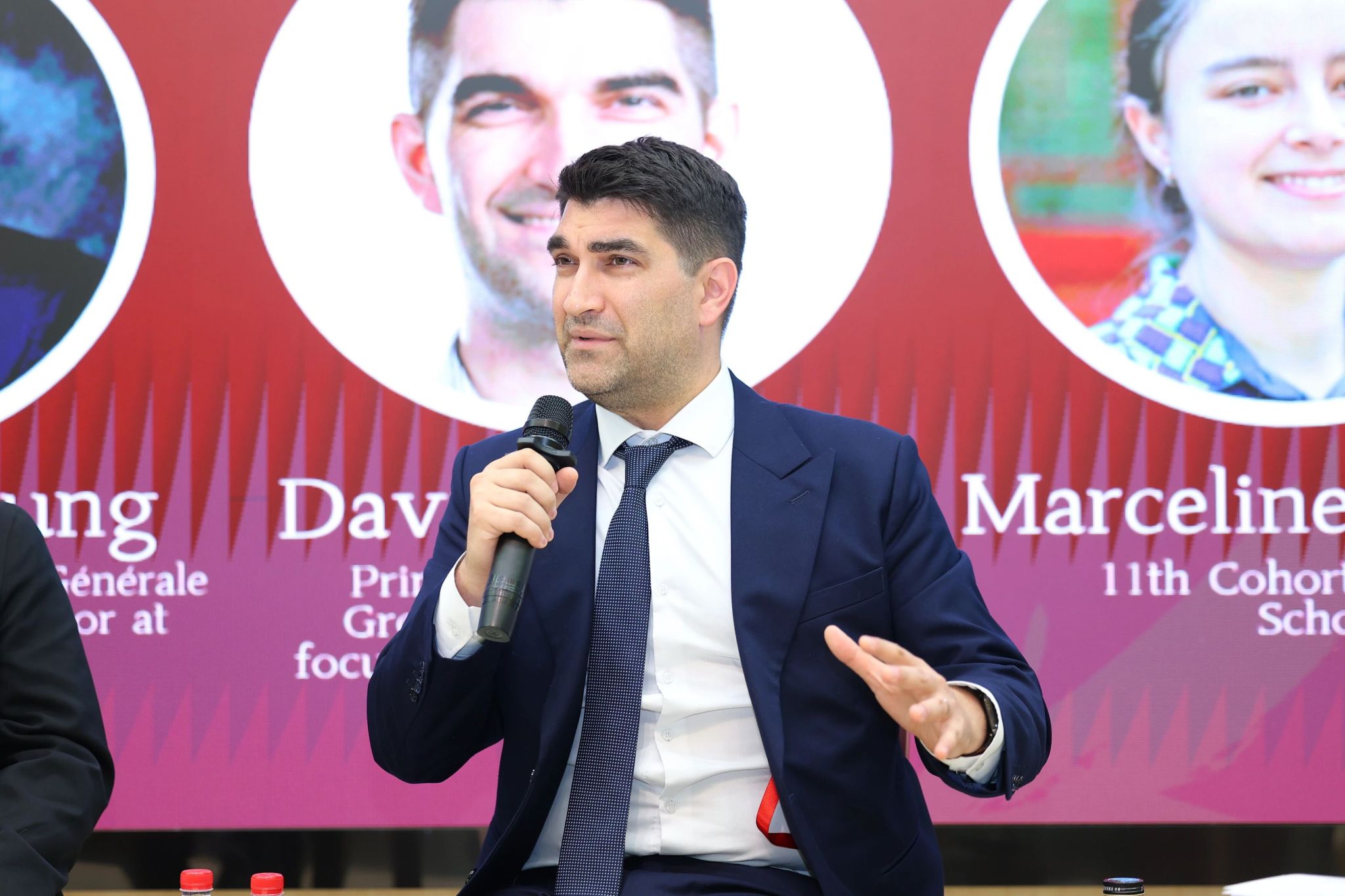
David Fishman expressed the belief that innovation cannot be narrowed down as proprietary products; rather, optimization of production systems, supply chains, and financing models is equally core innovation. China’s global predominance in solar PV and battery industries is built upon process innovation and scaling that result in sustained cost reduction; as a result, China becomes the industrial leader making affordable energy accessible worldwide. Fishman stressed China’s unique advantage in the state-level coordination of long-term capital, talent, and industrial policies, which provides a crucial capacity to invest in green energy at an enormous scale unimaginable for private capital. China constitutes an indispensable actor in the global energy transition.
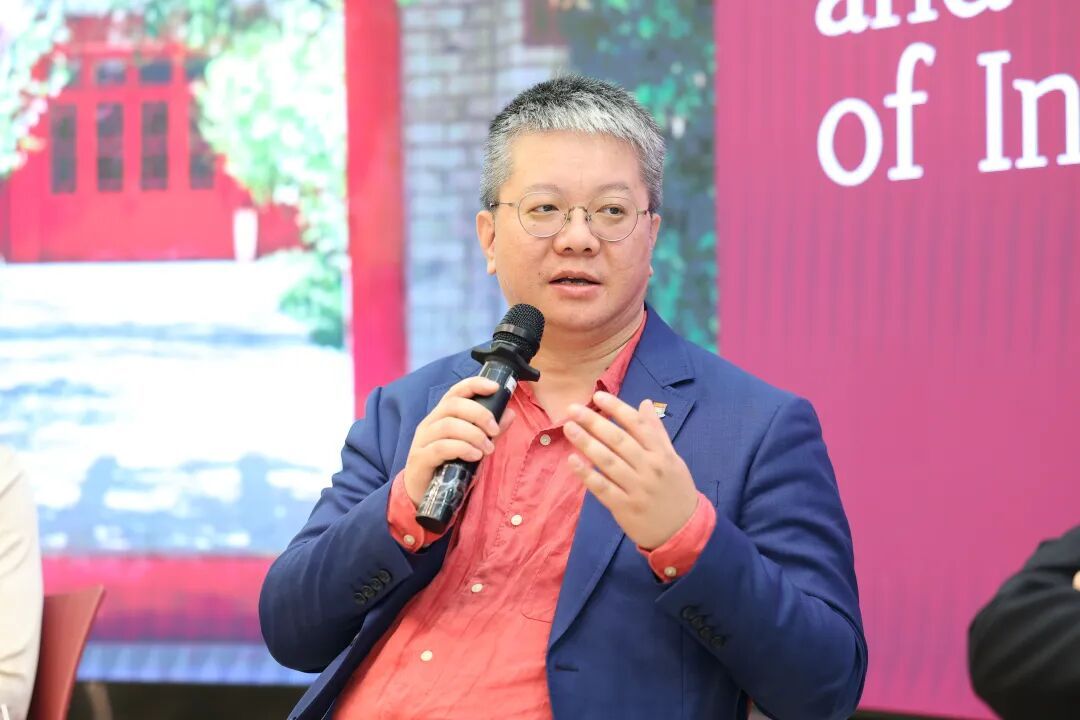
George Chen focused on China’s innovation from digital and geopolitical perspectives, observing that China’s innovation model offers a lesson in reverse for the world. For example, “super apps” like WeChat have left profound impact on the development trajectory of international tech platforms. Chen noted that China’s competence in innovation is fostered by an ecosystem of policy, talent, infrastructure, technology, and raw materials, a system that is difficult to replicate. He observed that the US innovation model is market-driven and EU’s is regulation-guided, whereas China pursues a differentiated approach that combines long-term planning and market dynamics. As such, there is potential for technological cooperation among the three structurally complementary models.
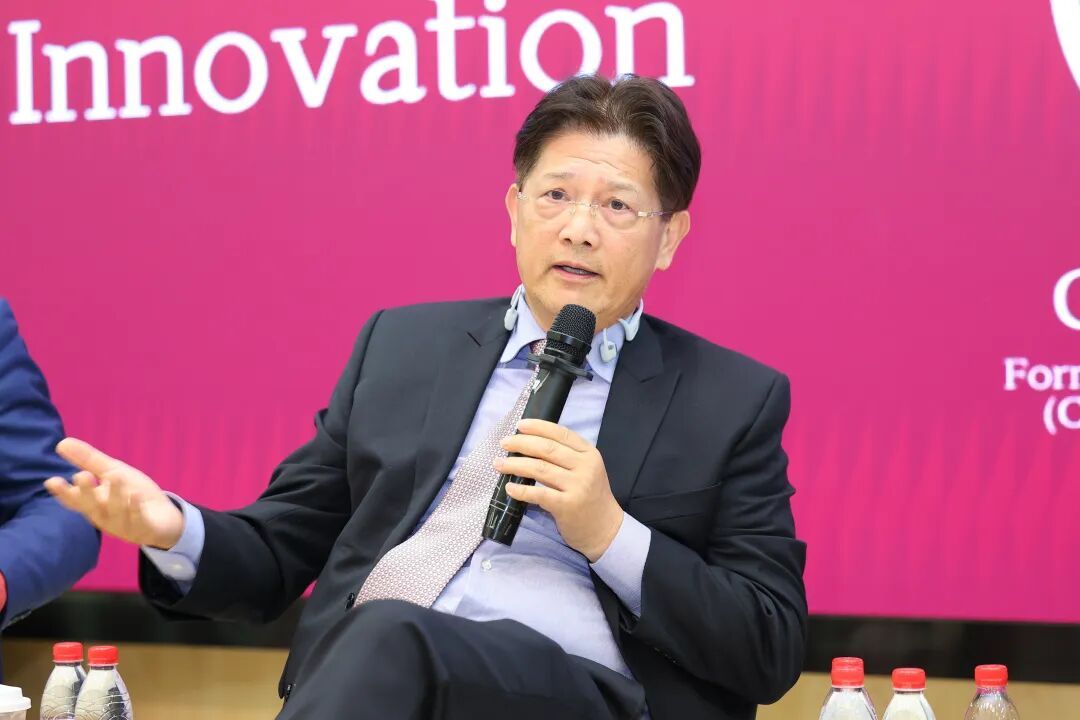
Charles Cheng analyzed China’s success in innovation from perspectives of finance and industrial practice, highlighting the crucial role of state coordination, market integration, and entrepreneurship. The rapid growth of China’s EV sector is the outcome of intensive input and rapid iteration. Cheng noted that even though great-power competition cannot be eliminated, major powers can enter into cooperation to address shared concerns over climate and energy security. Global trust can potentially be improved if China’s strategic priority in security and stability of supply chain and energy channel can be better understood.

Focusing on global supply chain status and history, Cameron Johnson maintained that it is not feasible to “decouple from China” in the process of reglobalization. He observed from post-WWII European industrial integration that economic embeddedness and interest enmeshment provide the foundation for long-lasting stability and that cooperation serves the global interest better than confrontation does when addressing shared challenges.
Overall, China has created a distinct and highly efficient innovation system and has become a major actor in emerging technologies and sustainable development. The global innovation landscape is shifting from unipolarity to multipolarity and is unmistakably influenced by the coexistence of competition and cooperation. Technological innovations can serve a shared sustainable human future only if being treated as they truly are—free from over-securitization and within a framework for transnational cooperation.

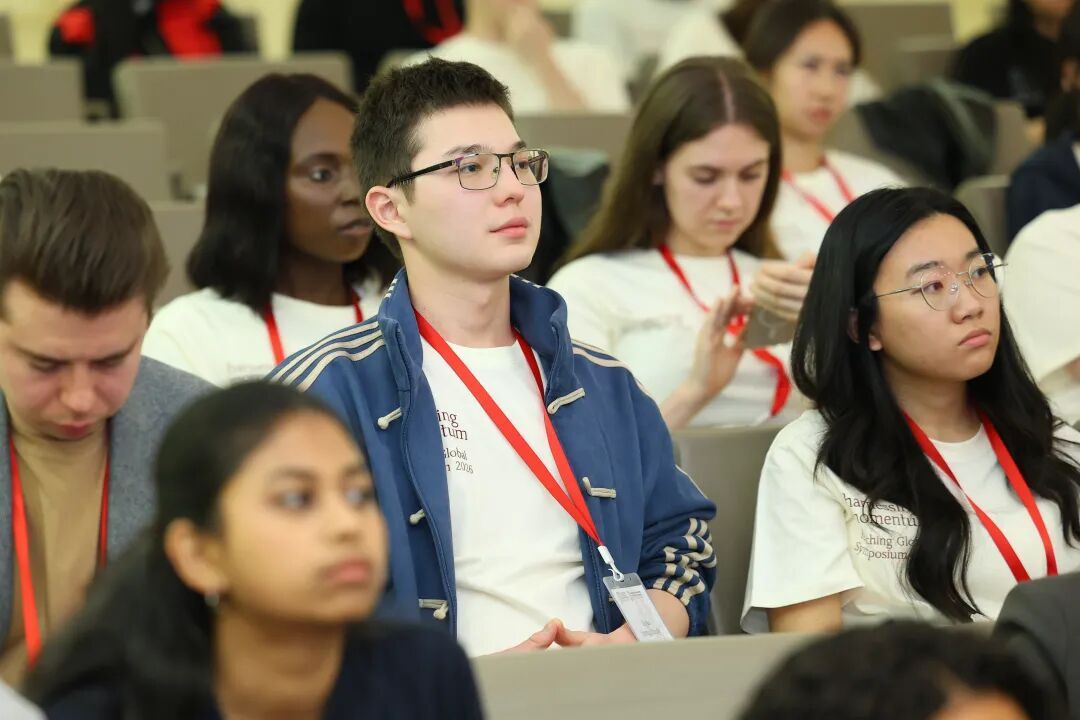
Panel 4: China’s Economic Transition and the Future of Global Economic Stability
Globally, trade tensions are being exacerbated and supply chain is undergoing major restructuring. Against the backdrop, China’s substantial trade surplus and ongoing economic transition constitute key determinants of global economic stability. Michael Pettis, Professor of Finance, Peking University Guanghua School of Management; Nicholas Lardy, Senior Fellow, Peterson Institute for International Economics; Tu Xinquan, Professor and Dean, China Institute for WTO Studies, University of International Business and Economics; and Daniel Rosen, Co-founder, Rhodium Group, joined the panel to examine the roots of China’s trade imbalance, spillover effects of industrial policies, and future transition pathways. Lucas Miner from the 10th Cohort of Yenching Academy was the moderator.
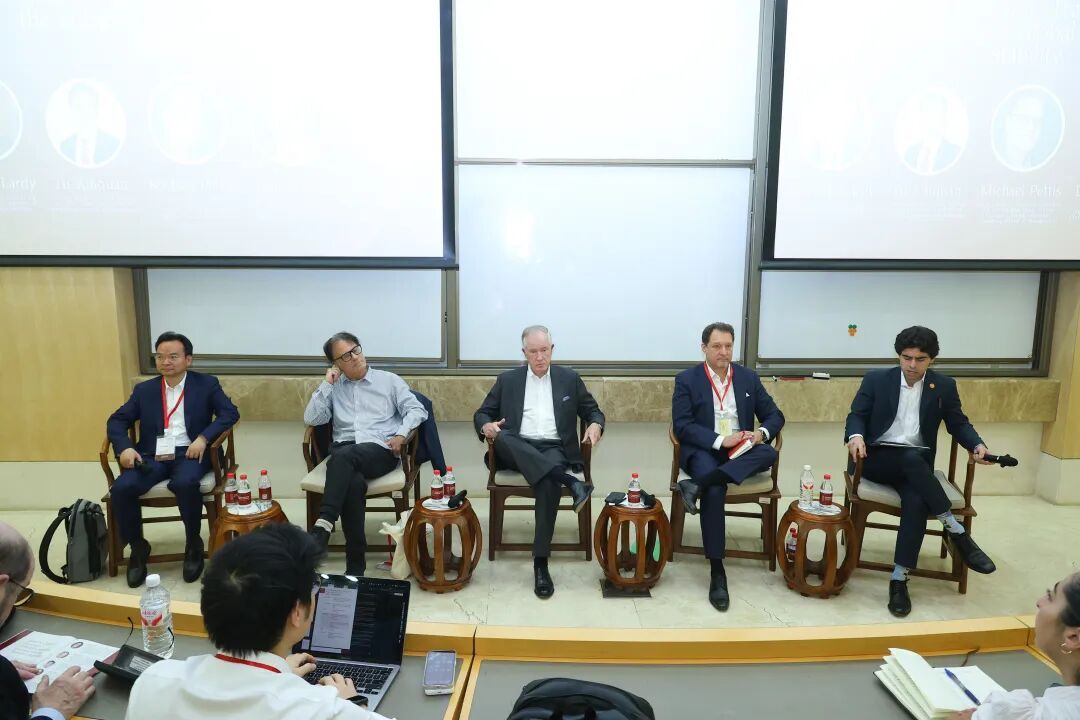
The panelists examined the determinants of China’s substantial trade surplus, the relationship between industrial policies and macroeconomic imbalances, WTO’s limitations in global trade coordination, and China’s structural dilemmas in addressing “overcapacity” and financial pressure. The experts also analyzed the interpretive capacity of the saving-investment framework and real effects of industrial policies.
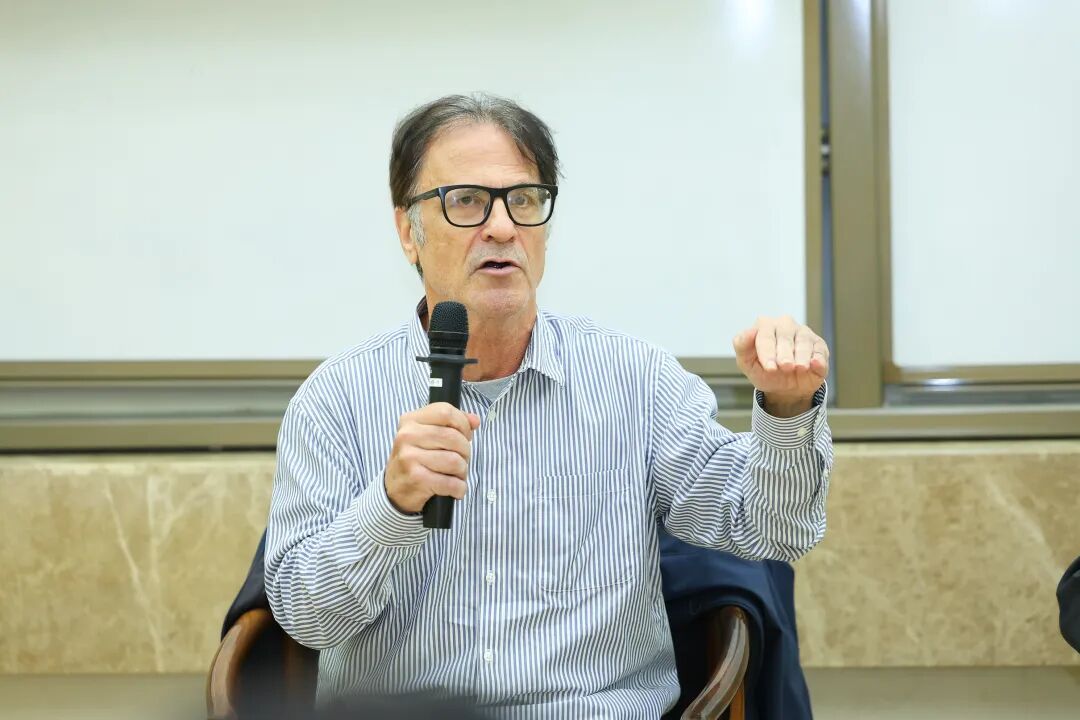
Michael Pettis, taking a macroeconomic approach, attributed China’s trade surplus to its “high savings, low consumption” pattern shaped by domestic income distribution. Citing Germany’s Hartz reforms, Pettis observed that an income-suppressing reform at home inevitably translates into a trade surplus, rather than enhanced export competitiveness. He noted that some Chinese companies are capitalizing expenses to sustain headline GDP growth, which he warned is unsustainable, effectively “exports unemployment,” and exposes the Chinese economy to debt and deflation risks.
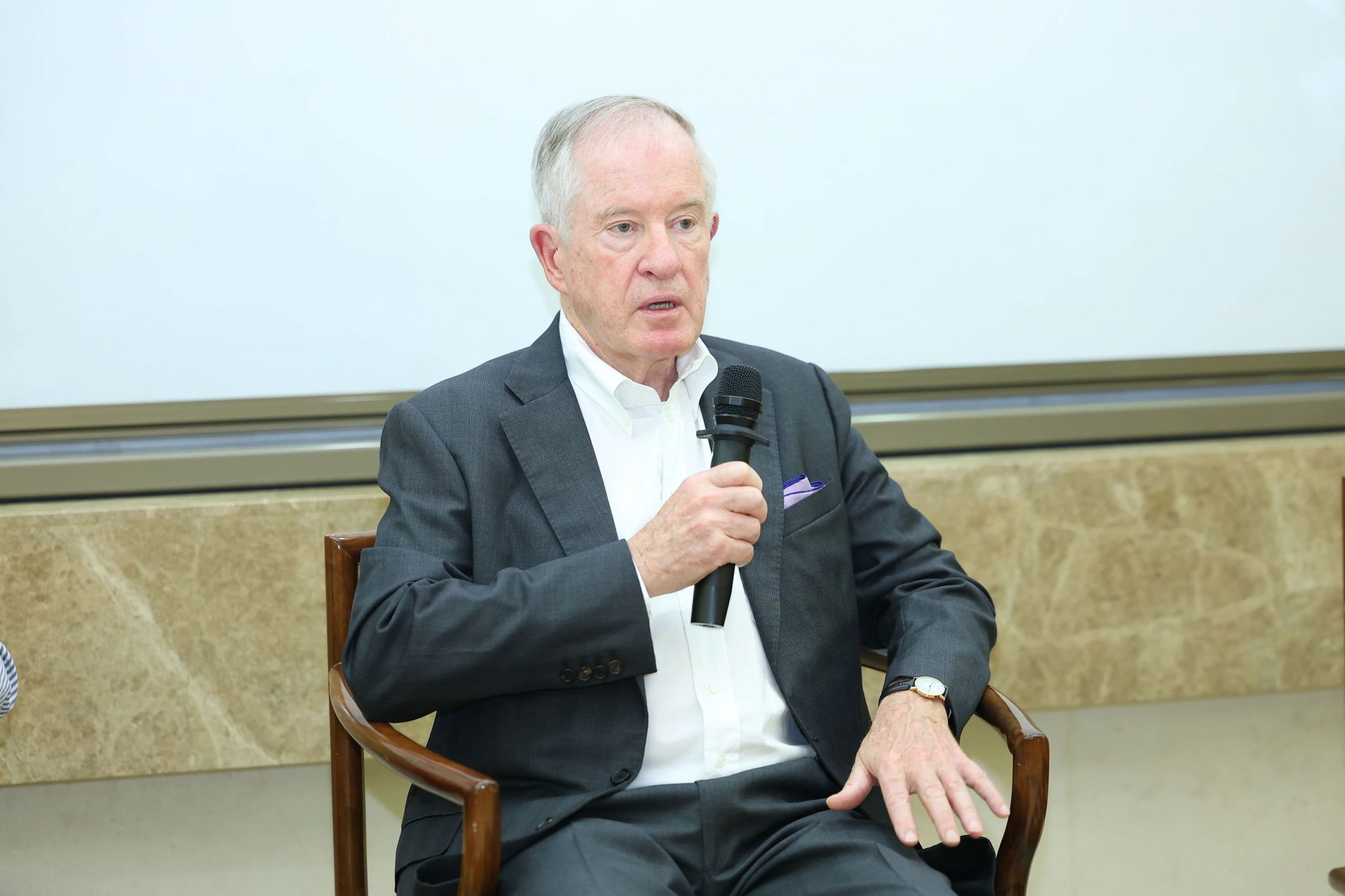
Nicholas Lardy agreed that China’s trade surplus reflects a saving-investment imbalance. But he noted that the global imbalance is markedly milder than a decade ago. The United States suffers a trade deficit primarily caused by its fiscal deficit; this is correlated with, rather than caused by China’s trade surplus. Furthermore, Lardy refuted the argument that “[China’s] industrial policies enlarge its trade surplus”, noting that China’s labor share of GDP has risen over the past fifteen years, along with a substantial increase in social security spending and a recovery in consumption. He stressed that China’s competitive advantage in certain sectors is fostered by market size and supply chain clusters, rather than by subsidies alleged to be much higher than those of other countries.
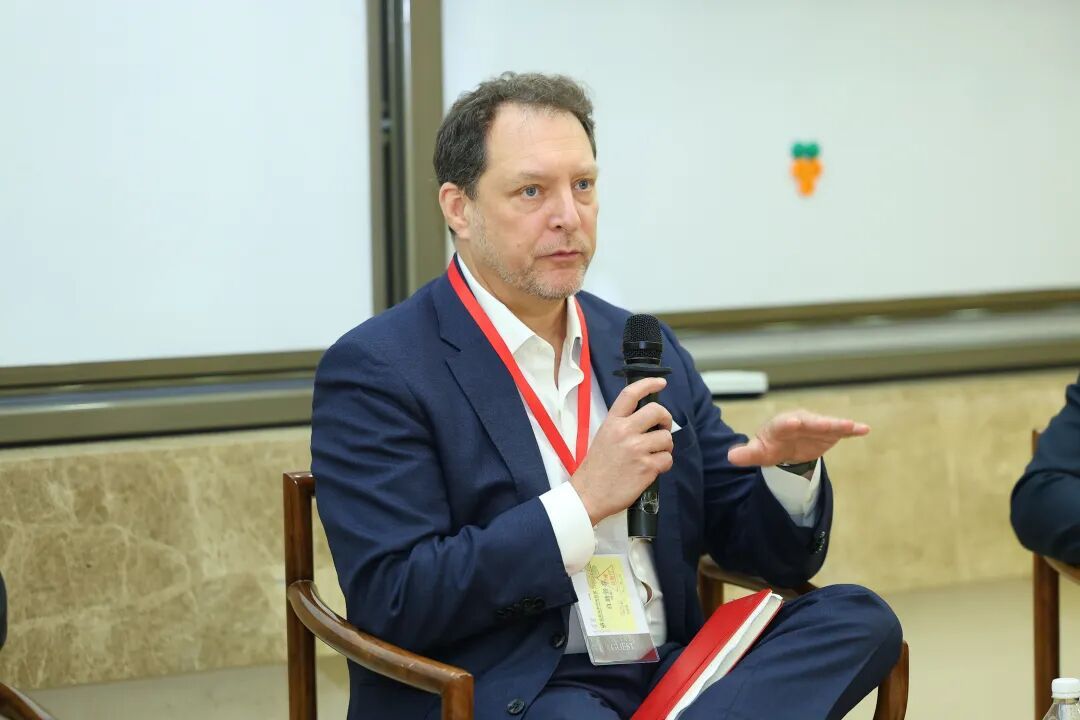
While endorsing a macroeconomic framework, Daniel Rosen stressed that the spillover effects of industrial policies should not be overlooked. According to Rosen, China is the second largest economy in the world, and as its non-traditional subsidies (such as the interest rates significantly below the benchmark rate) and large-scale capacity expansion are well beyond the WTO’s regulatory reach, China is systematically crowding out similar industrial sectors of the other countries through aggressive business models, such as extended payment terms. Rosen argued that it’s too late to rebalance trade by waiting for the US rectifying its own fiscal deficits; instead, the international community must address the current industrial tensions through political negotiations among major powers and come to a consensus of “economic emergency”.
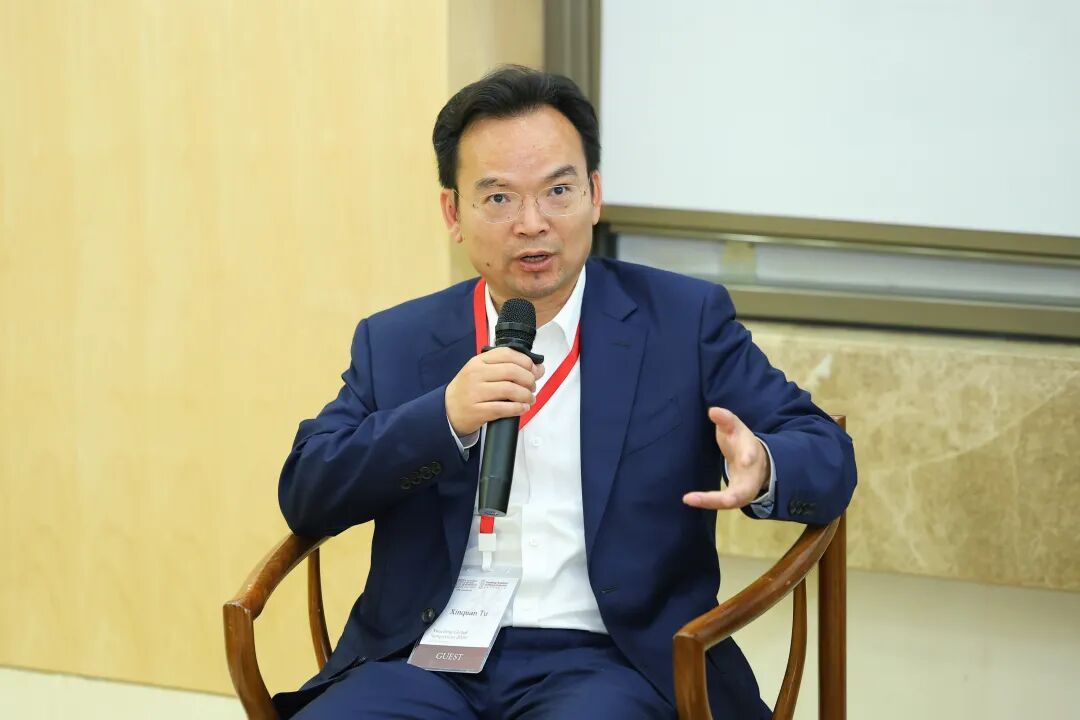
Tu Xinquan, using the multilateral trading system as a starting point, pointed that WTO’s decision-making paralysis leaves it barely enough to maintain the status quo and incapable of advancing new trade liberalization or harmonizing policies among major powers. He argued that China’s “overcapacity” is largely an inevitable result of property market downturn, which drives financial resources to manufacturing, rather than a government-led action. As for fiscal strain and local government debt pressures, Tu noted that the underlying contradiction in China stems from government overreach and disproportionate allocation of resources to SOEs. He suggested that government intervention be restrained and private capital mobilized to facilitate a smooth economic transition.
The panel revealed the structural dilemma manifested in domestic income distribution underlying China’s trade imbalance. Being at odds over the impact of industrial policies, the experts at the panel agreed that export-dependent economic growth has reached its ceiling and as a result has triggered strong backlash from the international community. China’s sustainable economic transition not only requires domestic structural reforms such as revitalizing consumption and optimizing resource allocation, but also needs to explore new political negotiation mechanisms among major powers to regulate industrial competition and trade tensions against the backdrop of a dysfunctional WTO framework.


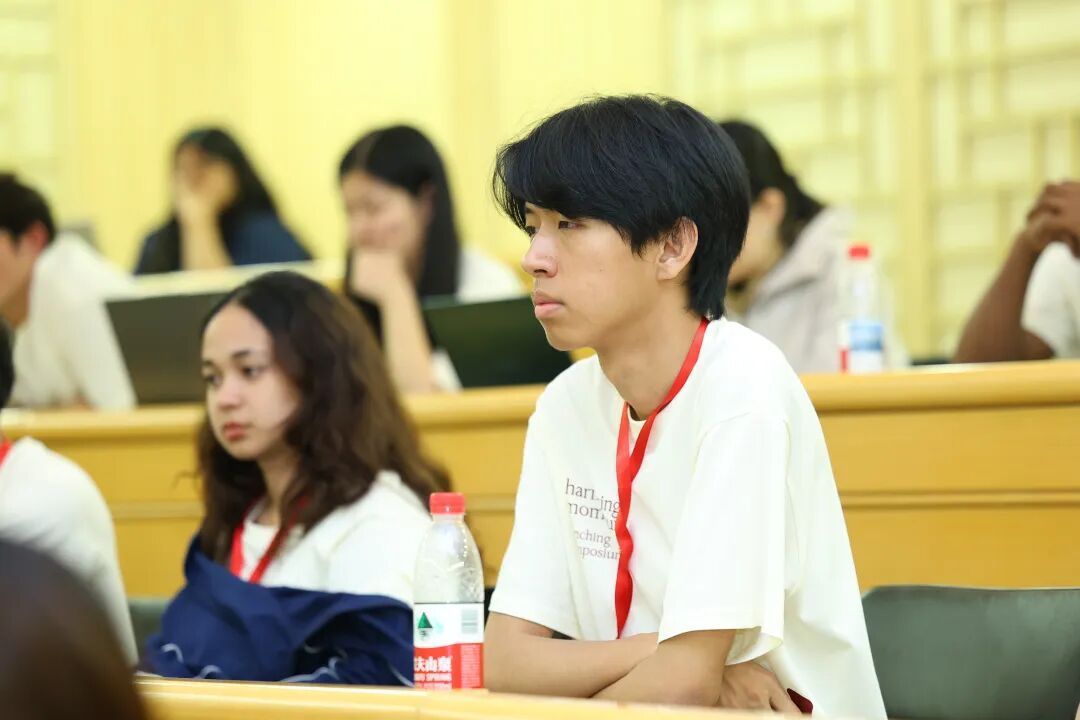
Panel 5: Education and the Next Generation of Cultural Collaboration
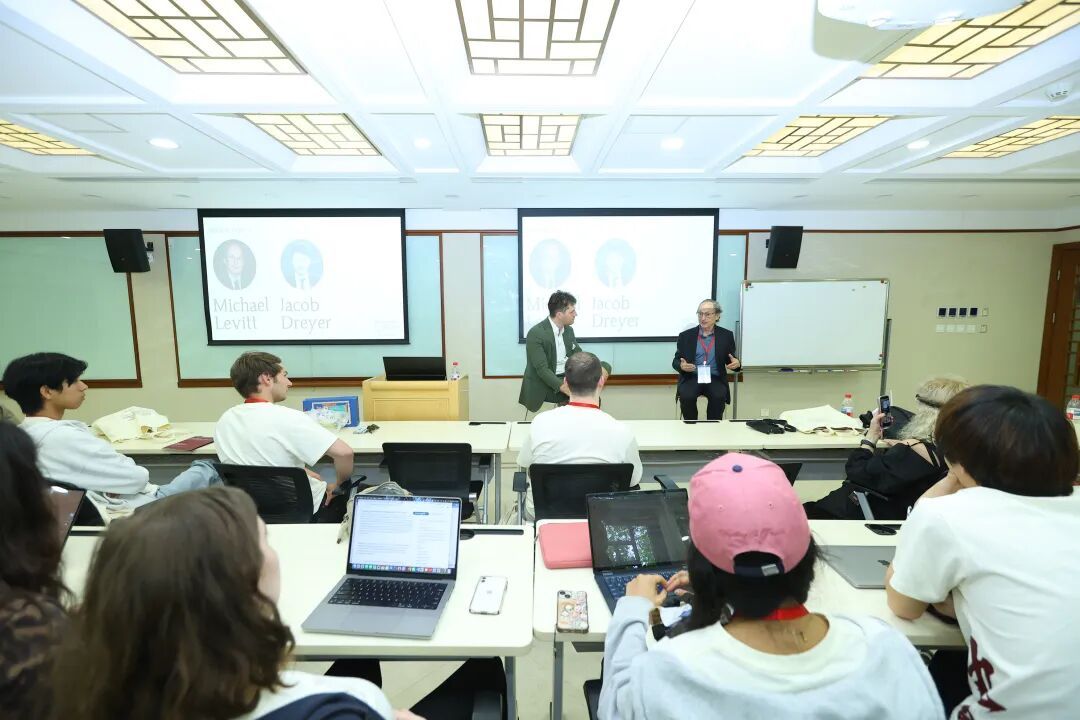
Education plays an indispensable role in cultivating cross-cultural understanding and fostering globally-minded future leaders. The panel focused on how education shapes global perspectives, advances cross-cultural collaboration, and prepares students to navigate complexity, and examined the contemporary value of education in bridging divides and empowering the new generation of leaders for the interconnected world. The panelists included Haneen Shoaib, Professor of Business Management & Organizational Behavior, University of Business and Technology (UBT) and Consultant to UBT; Zhang Liangliang, Assistant Professor of Global China Studies, NYU Shanghai; Sandrine Chenivesse, French sinologist and anthropologist of religion; and Mark Obama Ndesandjo, a writer, classical pianist, and calligrapher. The moderator of Panel 5 was Jacob Dreyer, a contributing writer to The New York Times and an editor at NOEMA magazine.
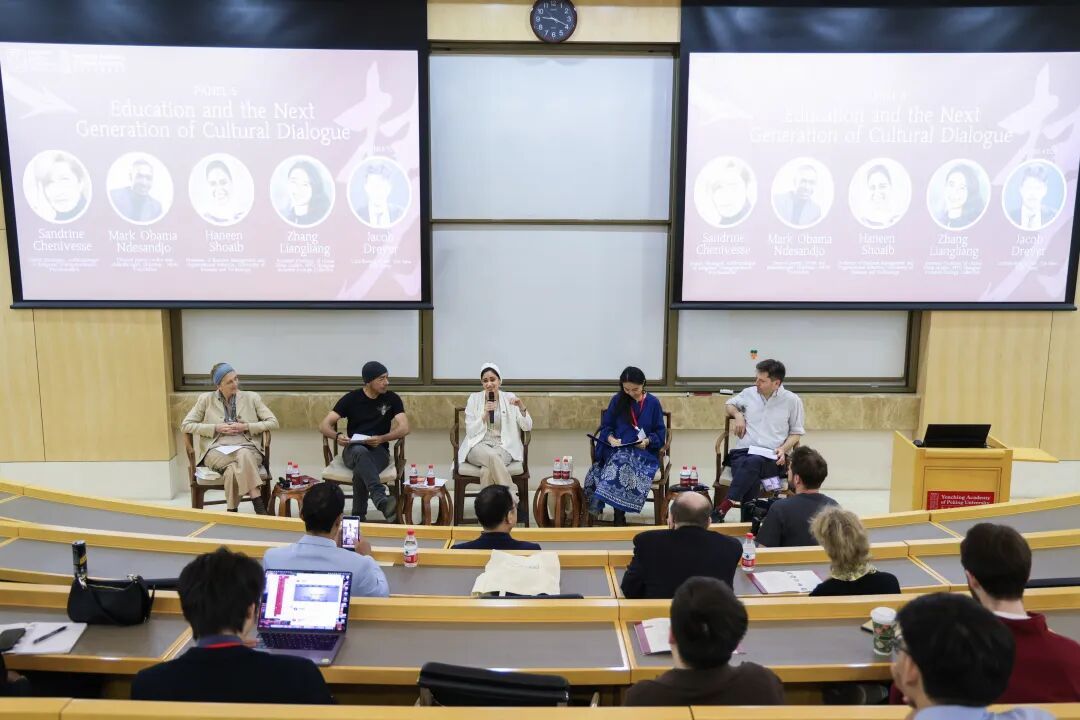
Jacob Dreyer pointed in the opening remarks that Chinese culture is not confined within the territory of China; rather, Chinese culture is globally seen in diversely related forms. He also noted the prejudice against and misunderstanding of China in the English-speaking world and posed a critical question: How should the world understand China and how should people from non-Chinese backgrounds sincerely participate in exchange and interaction with Chinese culture?
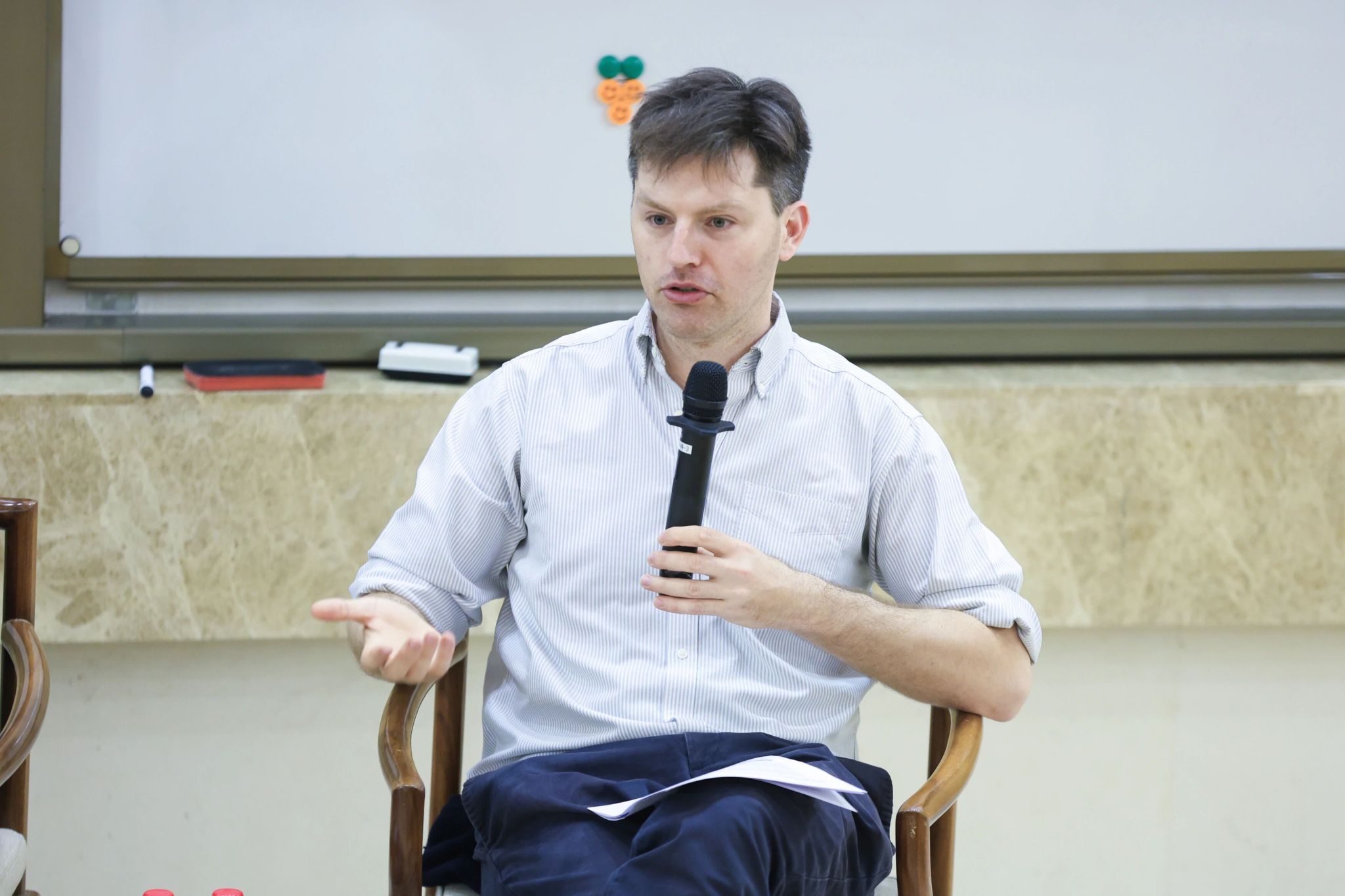
Zhang Liangliang held that China should not be understood as a static, monolithic civilization, but as a field of practice in dynamic relations with other entities. She encouraged to focus on the mutual constitution of China and the world from the interdisciplinary perspective of Global China Studies, integrating research, teaching, and community. Zhang’s regenerative education and inclusive ecology program engages in community-level collaboration and ecological care, applying knowledge in daily life and cultivating through community-engaged practice future practitioner-leaders with humanistic competence.

Sandrine Chenivesse has engaged in the field study of Daoism and folk rituals in China for more than two decades. Based on her own experience, Chenivesse argued that the Western understanding of China is generally superficial and that the stereotypical idea of China can only be shattered through reading Chinese classics, engaging with local folk customs and rituals, and delving into the wisdom of life. Her teaching practice in France shows that an immersive study of Chinese history, philosophy, and daily life helps reduce students’ misunderstanding of China; that is, immersive experience and learning through empathy are pivotal for cross-cultural understanding.

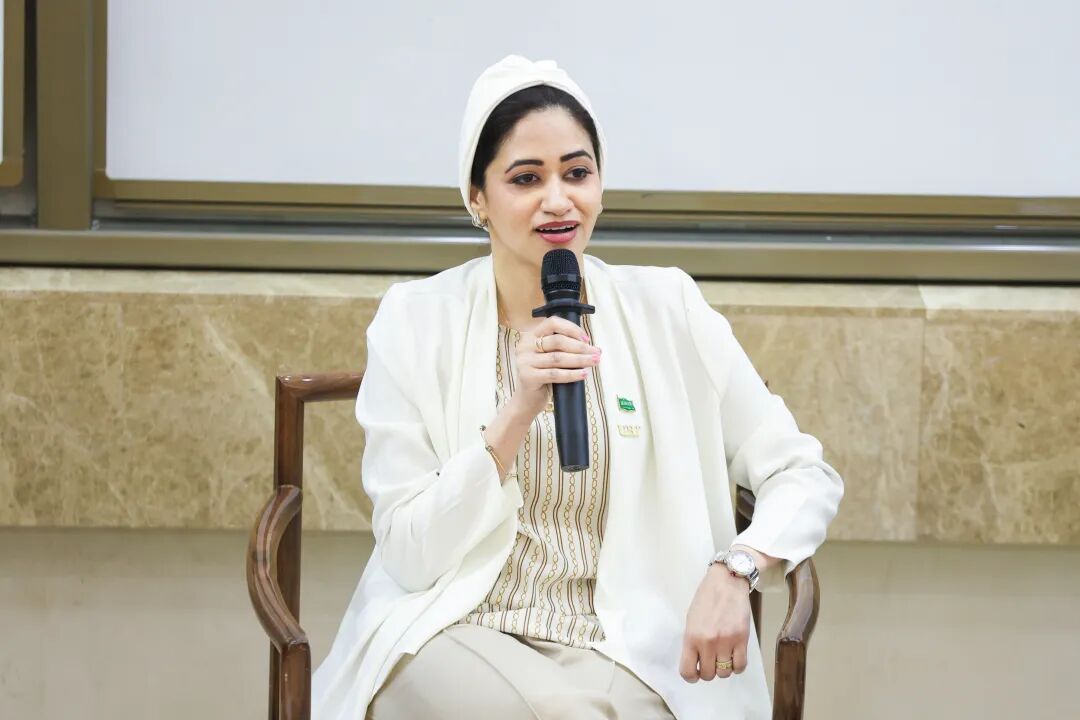
Haneen Shoaib reflected on the cultural cooperation between China and Saudi Arabia, pointing that cross-cultural exchange should be institutionalized as a sustained cultural co-creation, rather than just short-term programs. Many cooperation programs are no more than signed memoranda and temporary exhibitions, hardly producing any substantial influence. A robust system for cultural cooperation should be built upon intercollegiate joint projects, talent development programs, and policy support, to facilitate sustained cross-cultural interactions on equal footing within a practical framework.
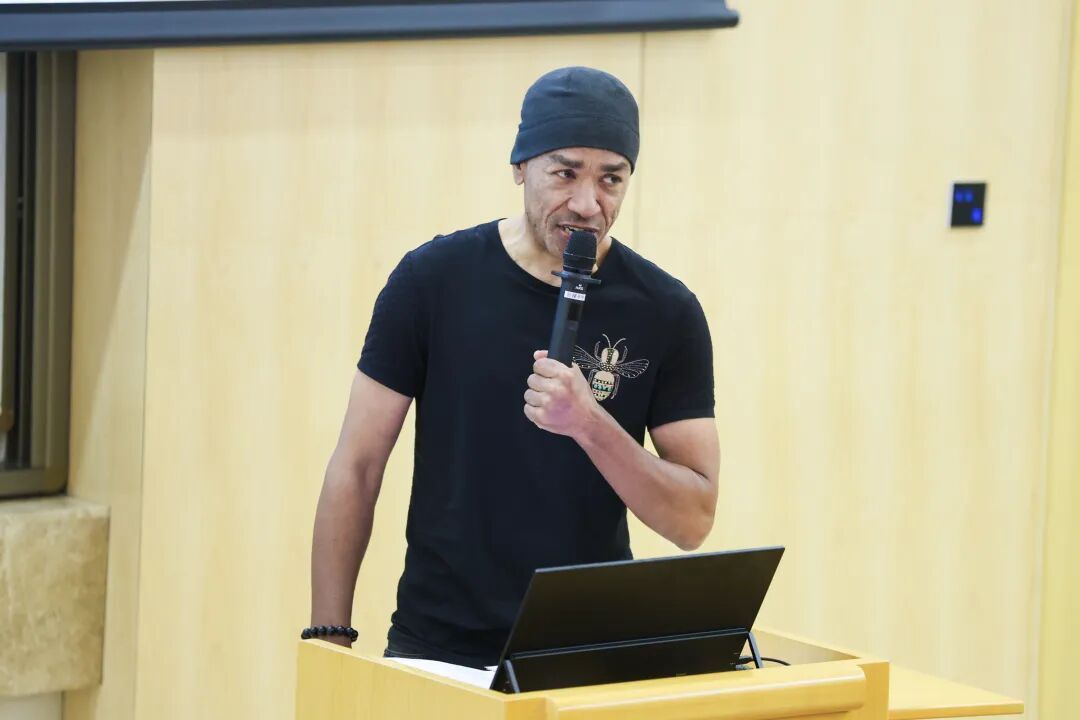
Mark Obama Ndesandjo emphasized, from an art and education perspective, that art forms, including music, calligraphy, and traditional Chinese martial arts, are the universal language which transcends boundaries, instill empathy, and dissolve barriers. Ndesandjo devotes himself to bringing art to children and connecting China, Africa, and other places around the world through art programs. He argued that cross-cultural integration doesn’t necessitate cultural assimilation; rather, cross-cultural integration respects cultural differences and enriches every culture involved in the process. He believed that genuine interpersonal exchanges are the bedrock of mutual learning between civilizations.
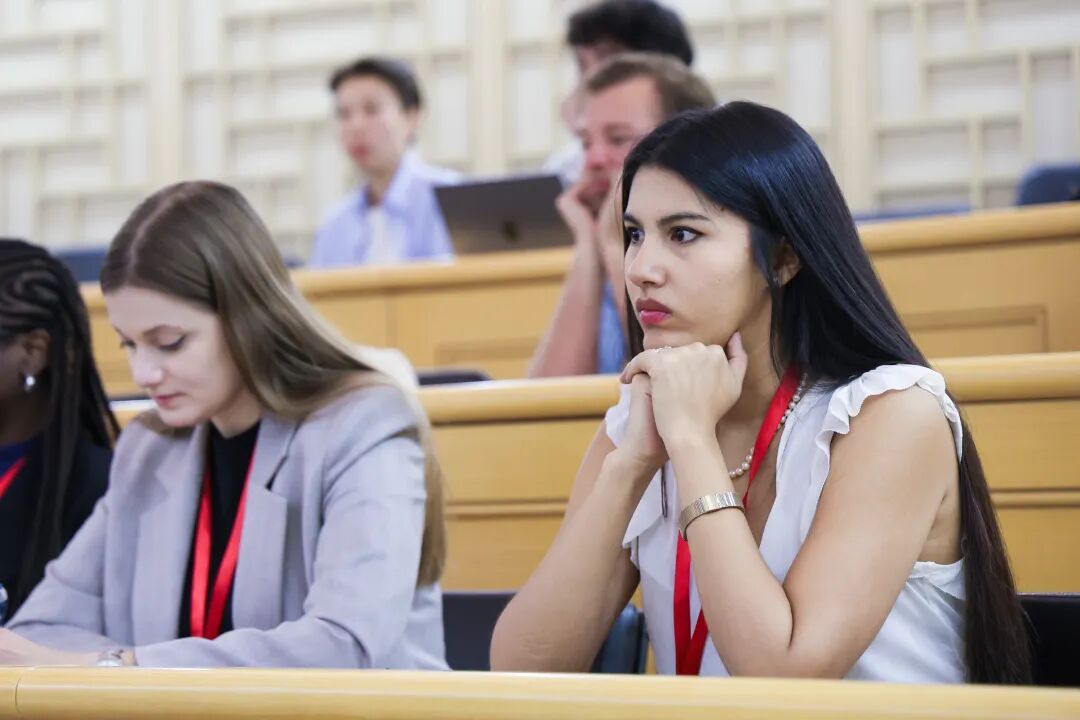
In the Q&A session, the panelists delved into issues such as cultural appropriation and inclusiveness of cross-cultural dialogue. Mutual respect and benefits are the bottom line for cultural exchange; culture should not be treated as a label or a tool for profit. True cross-cultural dialogue is never a privilege of the elite or the academic; it must also permeate into communities and to the ordinary people through educational and technological programs, so that more people can contribute to cross-cultural understanding.
Panel 6: Digital Dialogues and Cross-Cultural Communities in China’s Global Narrative
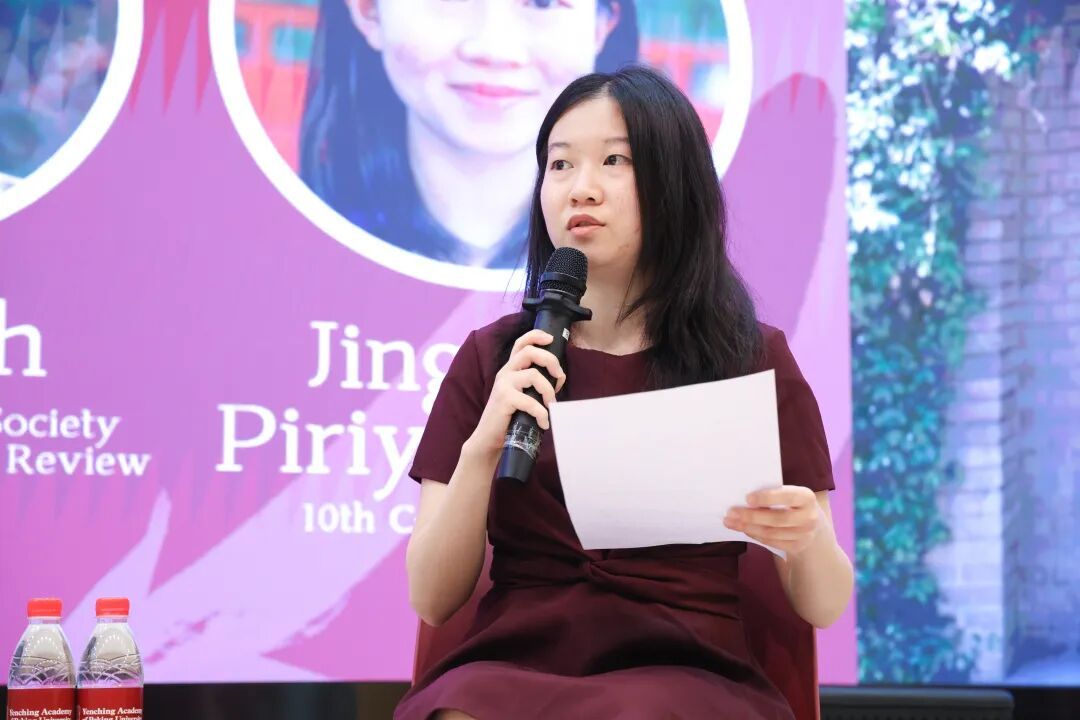
The panel brought together four cross-cultural practitioners, including Wang Zichen, founder of Pekingology newsletter; Jesse Appell, a former Fulbright scholar, comedian, and founder of U.S.-China Comedy Center; Kaiser Kuo, host of Sinica Podcast and writer; and Alec Ash, editor of China Books Review and Senior Fellow at Asia Society, to examine the generation, dissemination, and misunderstanding of China-related narratives from their own experience. The moderator, Chonnipha Piriyalertsak, is a 10th Cohort Yenching Scholar. The panelists examined broad media structures and international context; drawing upon their respective experience, they also discussed how to rebuild cross-cultural understanding in an internet era.
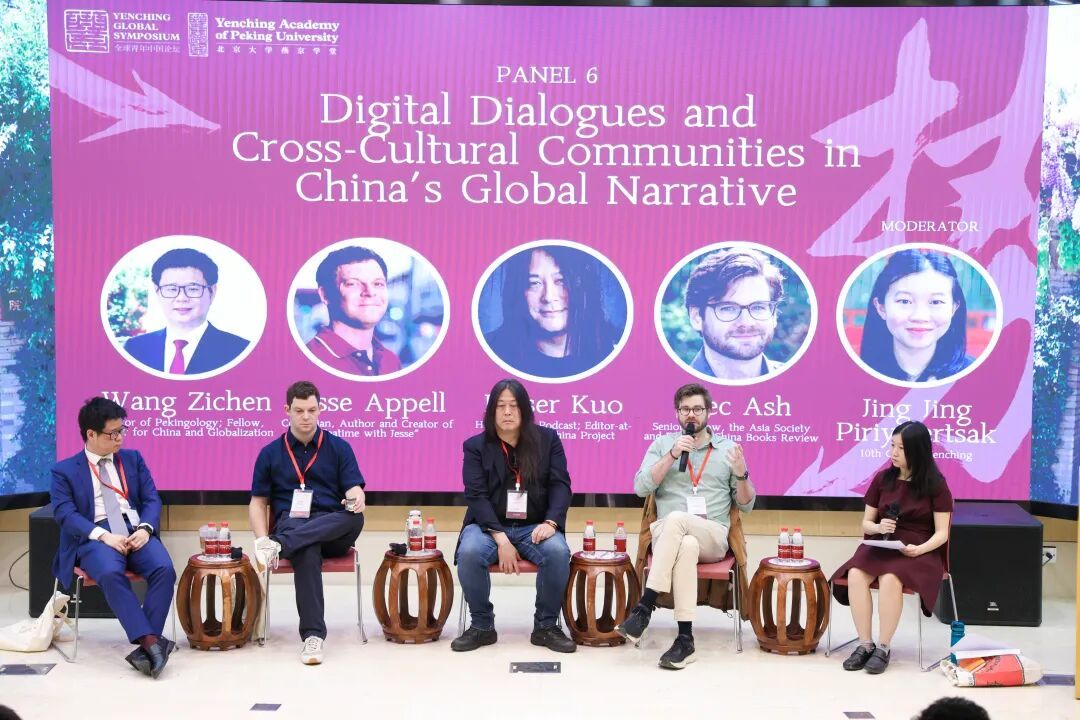
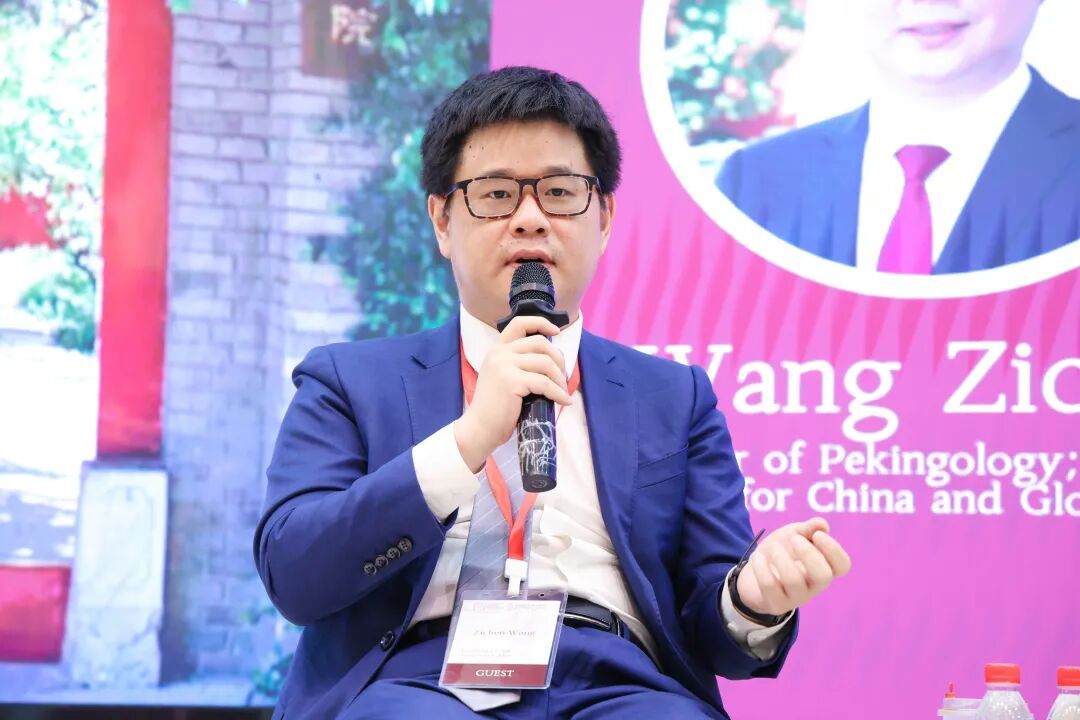
Wang Zichen focused on the long-standing information divide between China and the West. He observed that even within the same city, Chinese, foreign media, and diplomats often have little communication with each other, resulting in information bubbles. As geopolitical tensions intensify, the West tends to view China through the framework of national security and overlooks the complexity and diversity of Chinese society. Wang stressed that policy documents and official discourse alone cannot fully reflect the true China and that one must understand China in China through communication with ordinary Chinese people and experiencing real-world feedback on policies in person.
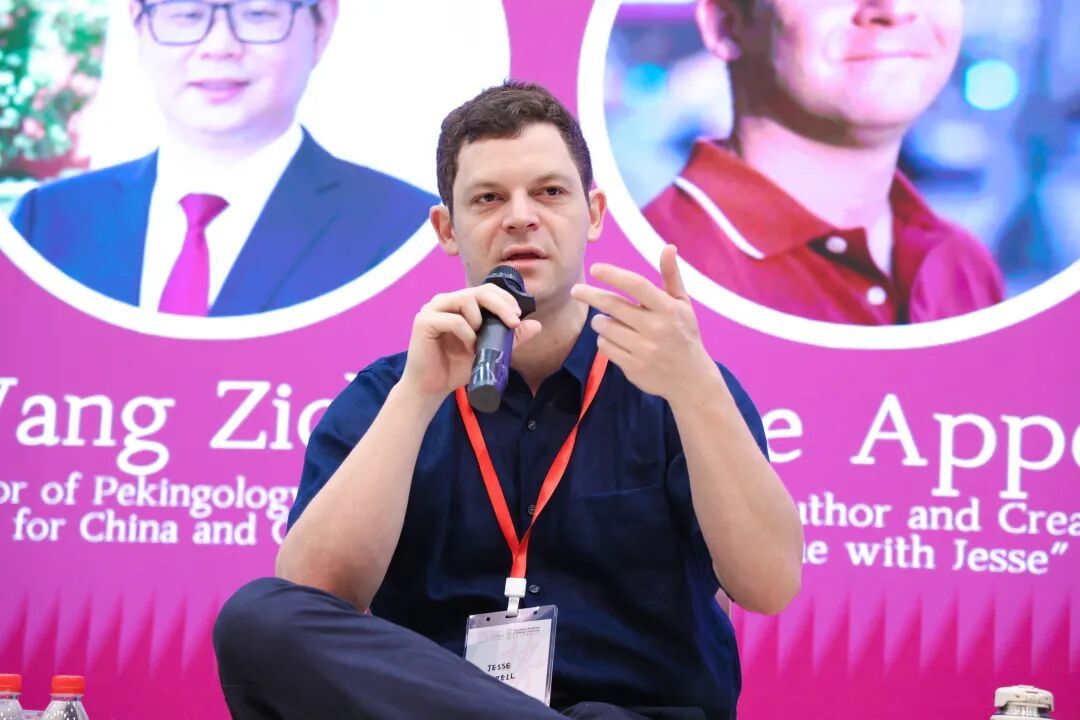
Jesse Appell drew on his own experience in media practice as a popular content creator and comedian in the United States and China and revealed the radical change in the contemporary narrative environment. He observed that mainstream media is losing its traditional narrative dominance to individual creators on internet platforms. Appell decried the blurring of lines between journalism and entertainment by some media outlets that prioritize commercial profits; such outlets excavate and viralize the most grotesque, negative spectacles from other countries to generate clicks. He noted that cross-cultural understanding cannot be limited theoretical rhetoric and that understanding another culture and society requires real-world action.
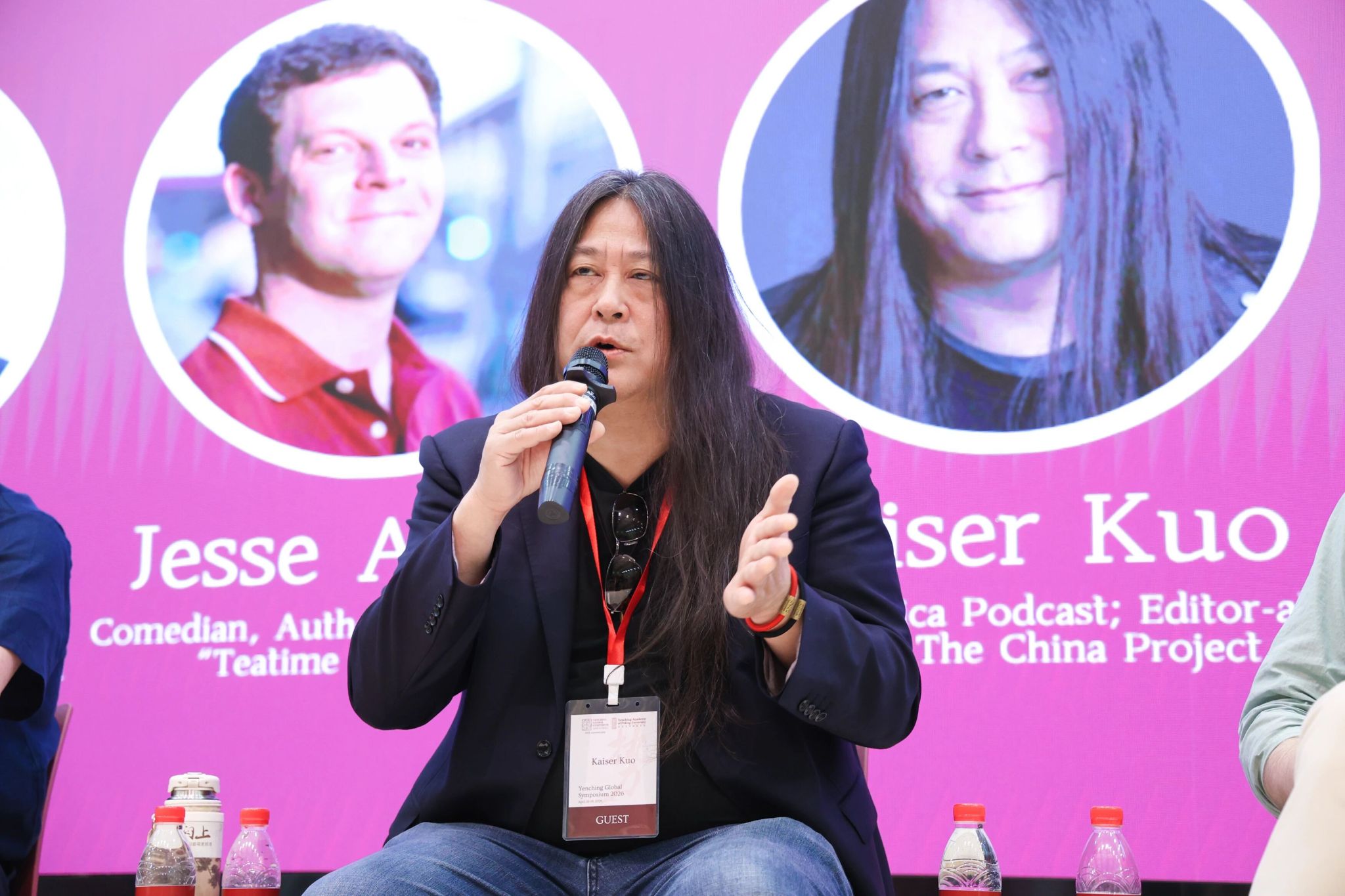
Kaiser Kuo is a dedicated bridge-builder through Sinica Podcast, among other channels; during the panel, he set up a five-principle evaluation system for China-related discourse—intellectual humility, vigilance against bias, holistic perspective, historical sensitivity, and cognitive empathy. He observed that negative narratives in the Western media are necessary result of journalism, because media are innately prone to “abnormal events.” News coverage can be accurate about facts, but usually lacks authentic social texture. Kuo further noted that there is no shortage of criticisms on China in Western media ecosystem, but there is little rational, everyday voice in the middle that can explains how Chinese society operates. He suggested consumers stay critical of media’s limitations and understand Chinese social psychology by reading Chinese literary works.
Alec Ash reflected on the structural changes of Western perception of China from a longer period of observation. He made comparisons before and after 2008. Before 2008, China was seen as a place of possibilities, attracting many foreign journalists and students. The reduction in media resources and constraints on personnel mobility has resulted in the “abstraction” of China in Western discourse. China thereby is reduced to a topic concerning national security or geopolitics. This shift strips China of its everyday social realities and robs the public of potential interest in understanding China. Alec focuses on the humanized storytelling of China through digital magazines and creative writing. Observing the tension between the exploding attention economy and expression of meaning, he calls for more expressive space for diverse voices—such as rural population and youth—in Chinese society.
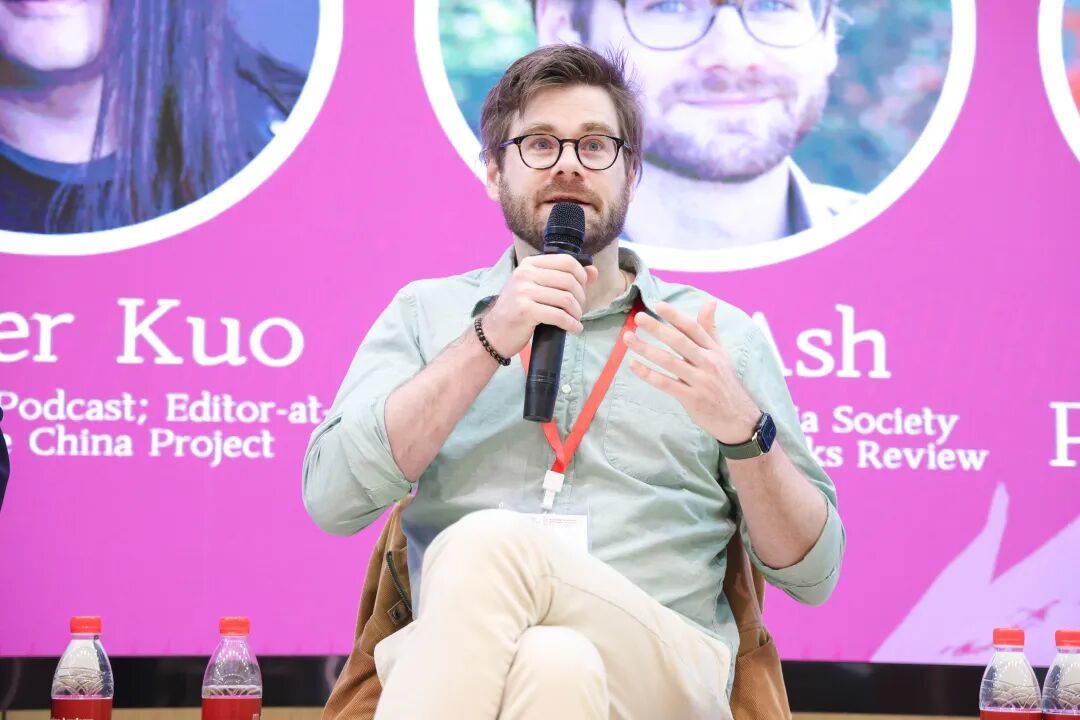
The four panelists approached the same question from different perspectives: How can we understand each other in fragmented global narratives and volatile media landscape? The answers may differ, from bridging the information gap and reflecting on the dissemination logic to reconstructing cognitive approaches and narrative models. However, all agreed on one simple yet increasingly scarce priority—to get to know people and everyday life in the real world and to stay patient with others despite uncertainties. The true meaning of cross-cultural dialogue is revealed in sustained efforts to engage one other despite difficulty.
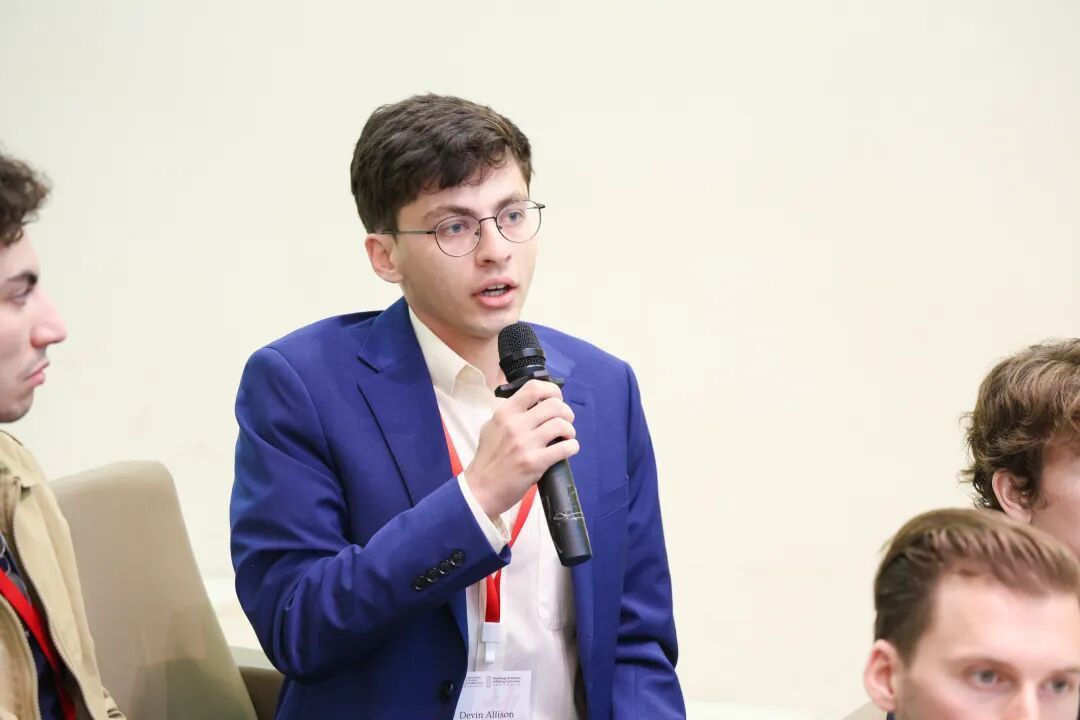
Fireside Chats
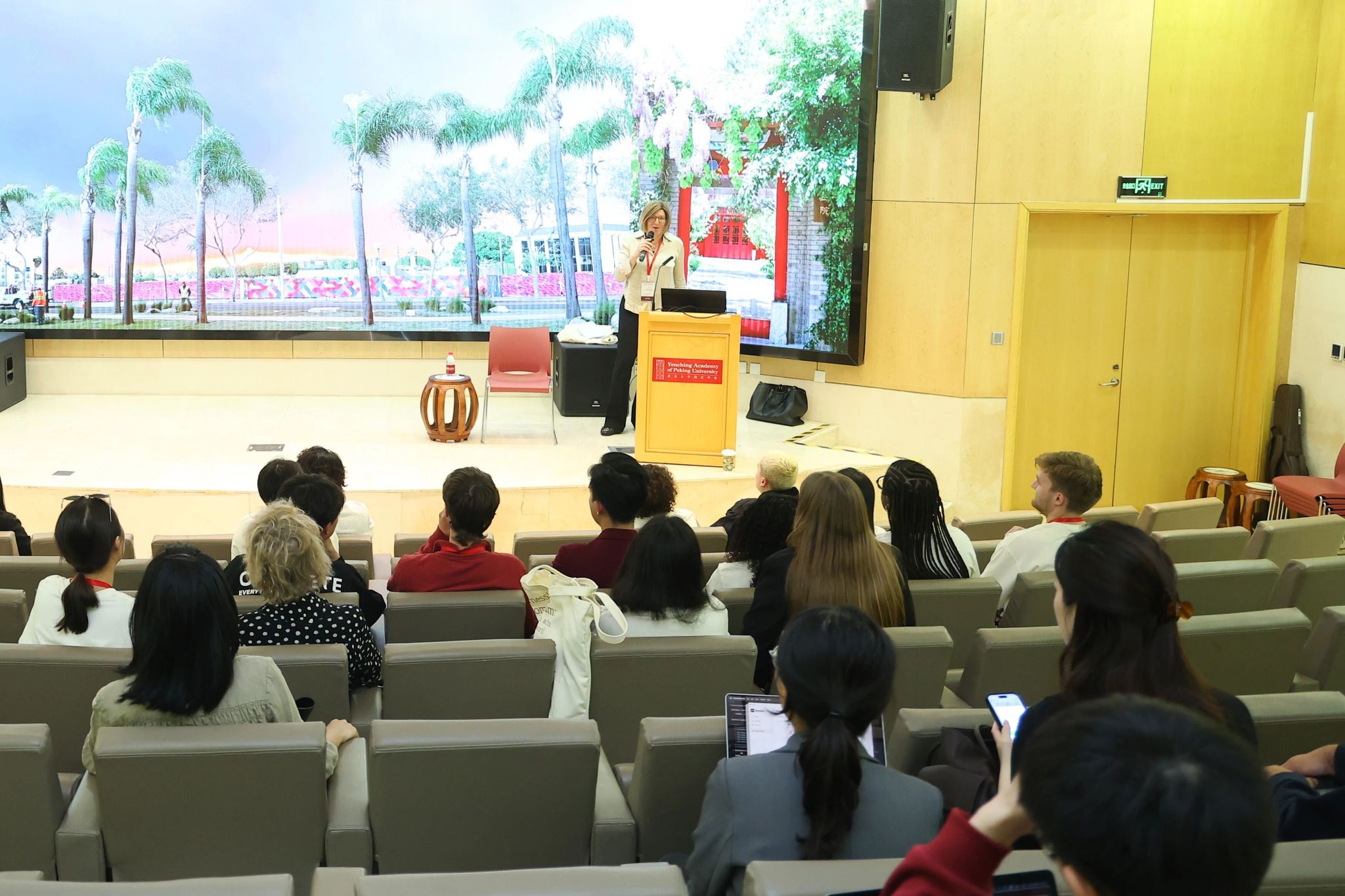
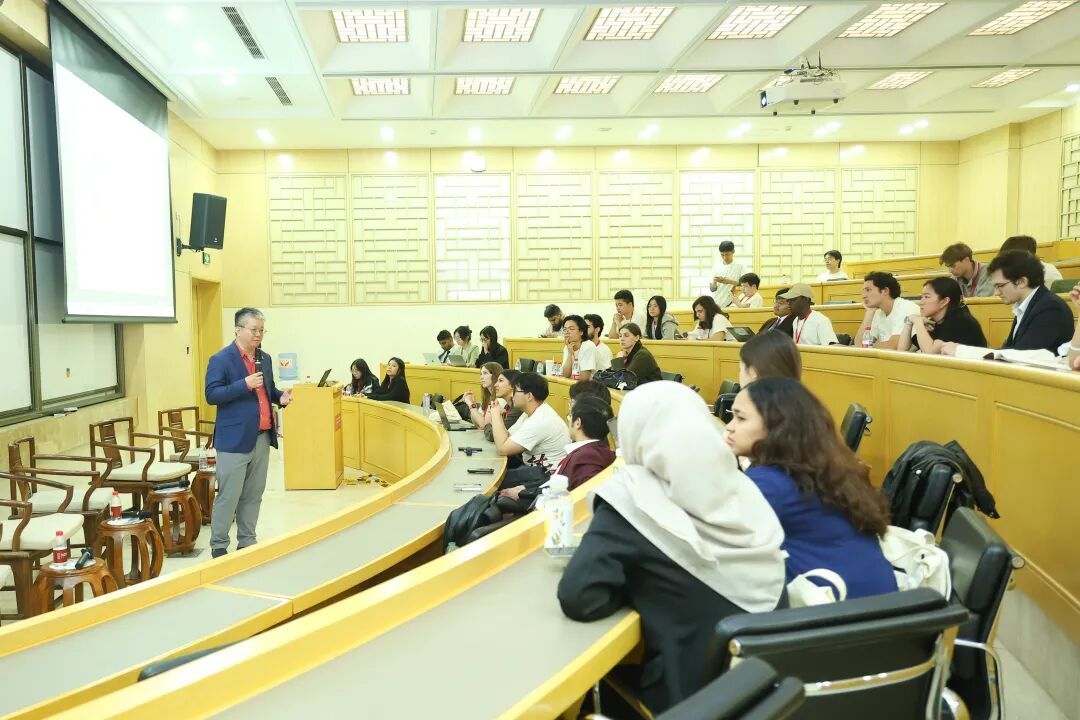
The YGS 2026 held two Fireside Chat sessions, encouraging deeper engagement between speakers and participants in candid dialogues.
The first Fireside Chat reflected on key themes in international relations in a more informal and interactive setting. The speakers included Shao Yuqun, Arnold Howitt, Wu Bohao, Vasilis Trigkas, and Xie Tao.
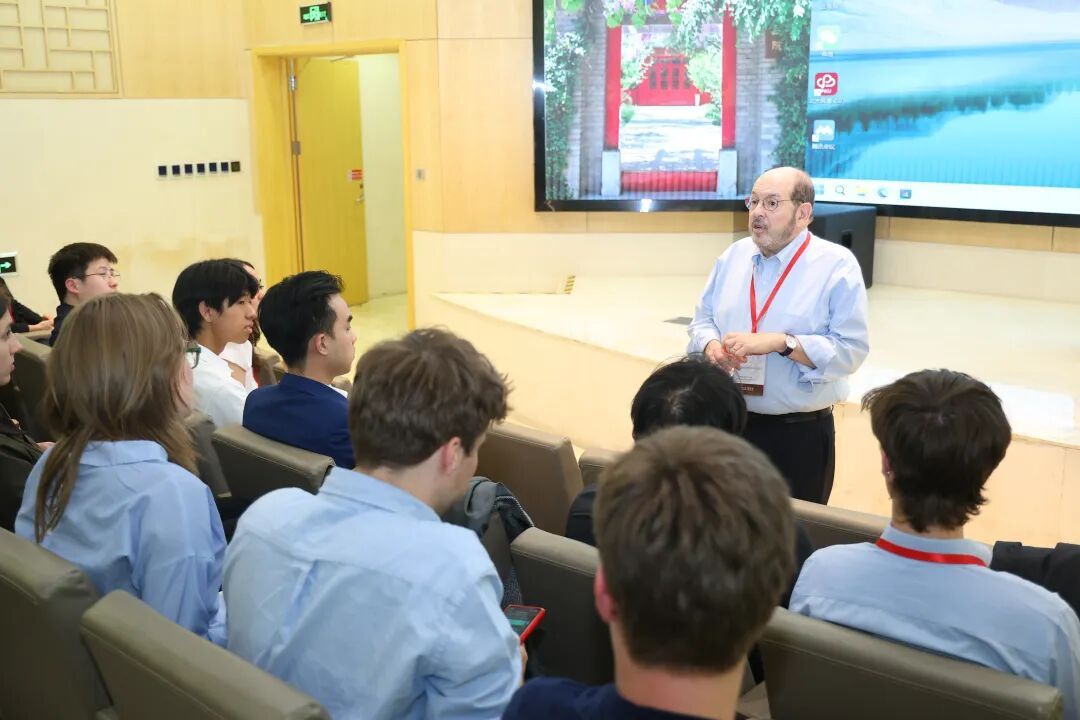
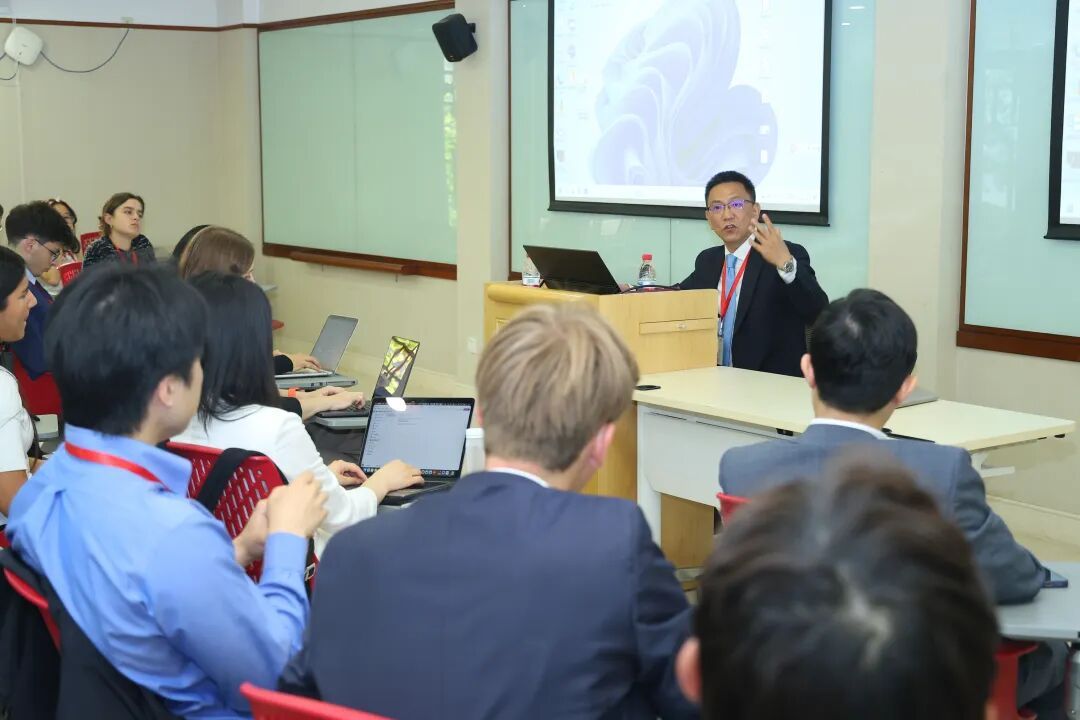
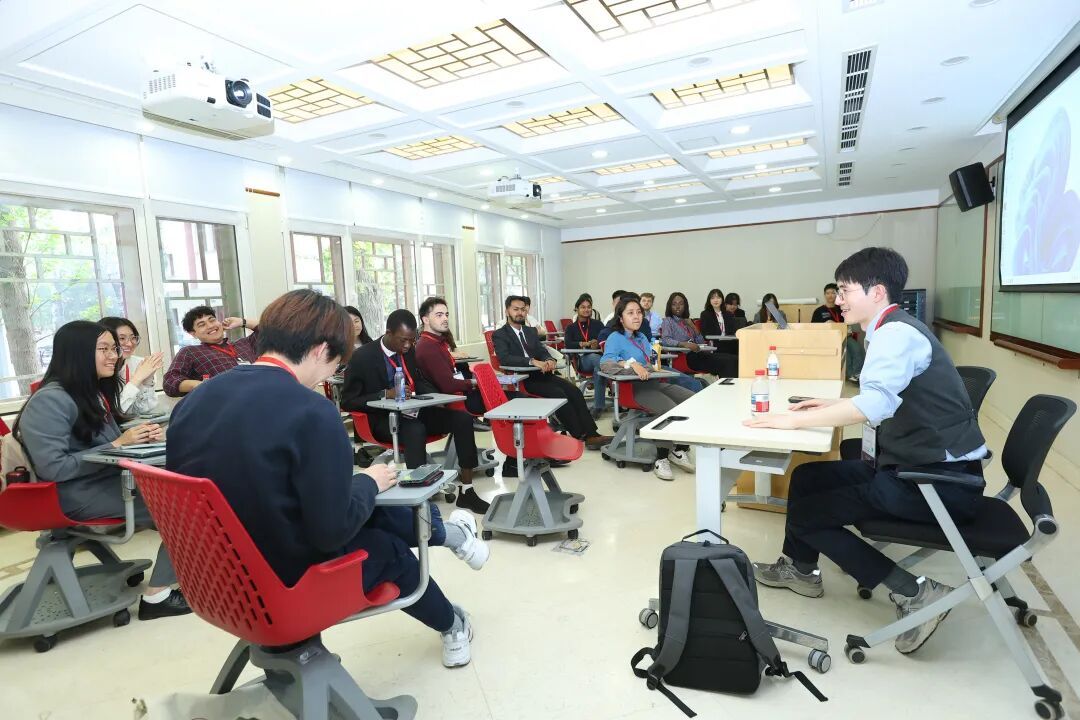
The second Fireside Chat focused on frontiers that shape the global landscape. In a more conversational format, speakers were able to explore evolving economic paradigms, technological disruption, and cross-border collaboration, offering forward-looking insight into the forces driving future transformation. The speakers on this session included Nicholas Lardy, Lola Woetzel, David Fishman, Michael Levitt, George Chen, and Daniel Rosen.
Cultural Bazaar and Field Trips
On April 16, the YGS delegates immersed themselves in traditional Chinese culture at the YGS Cultural Bazaar their first night in Beijing. During this remarkable cultural event presented by the YGS 2026 Executive Committee, the participants enjoyed live performances of sword dance, Dunhuang flying Apsaras dance, and Tai Chi, as well as Hanfu art.
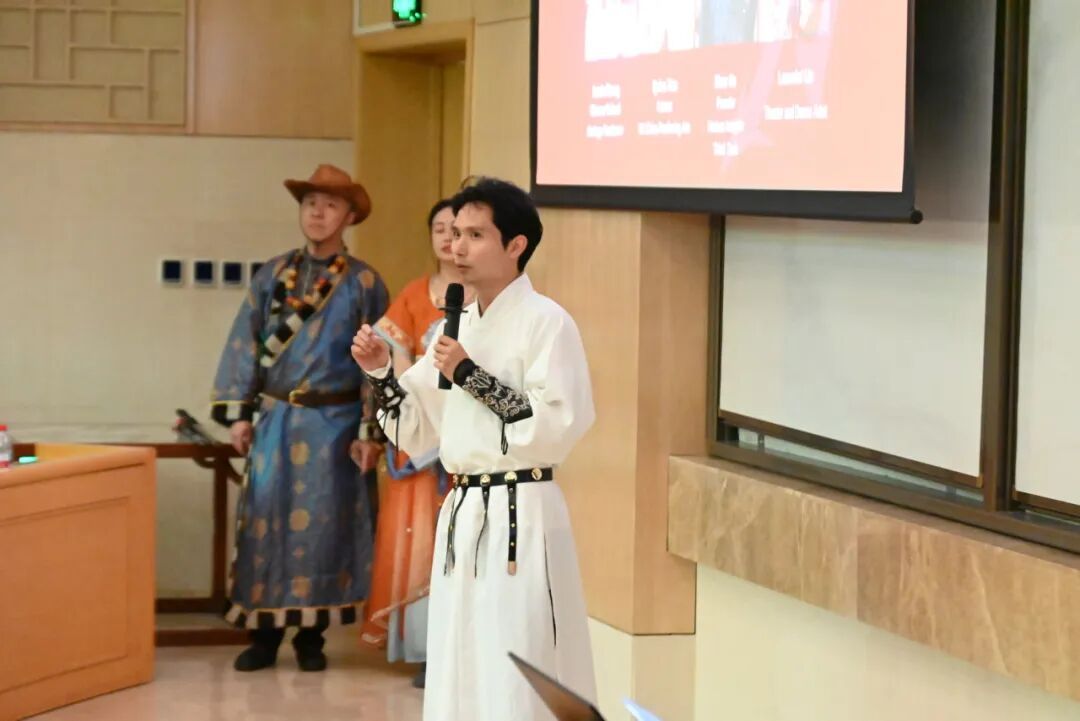
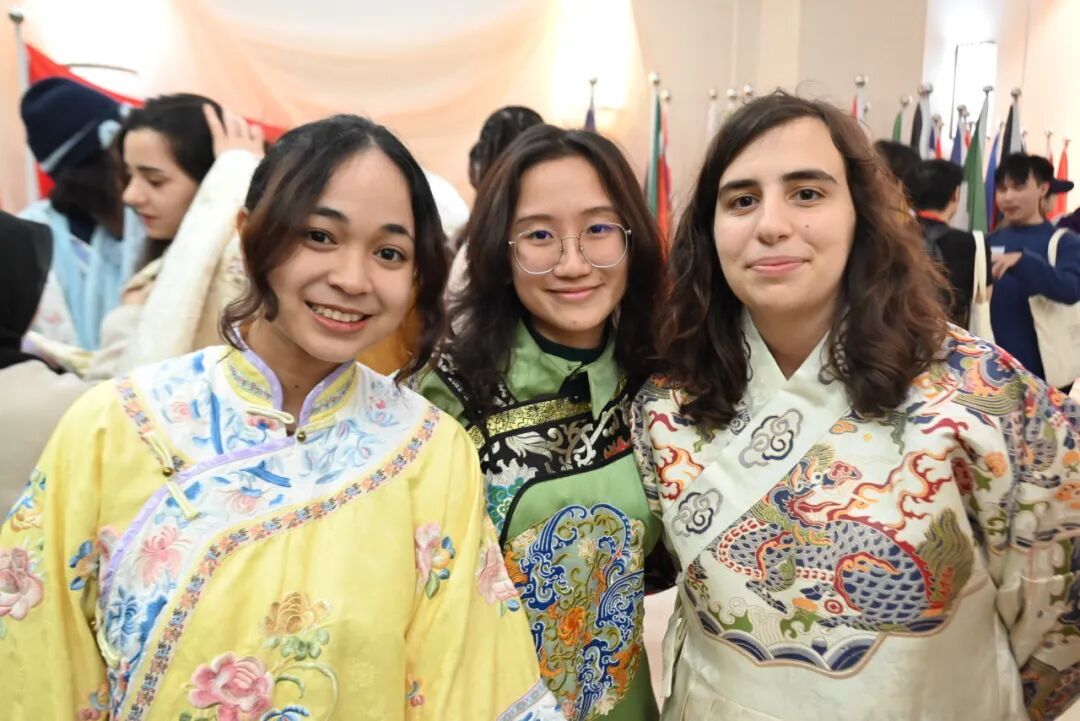

The delegates also went on exciting field trips on April 18, firsthand experiencing China’s culture, history, and technologies.
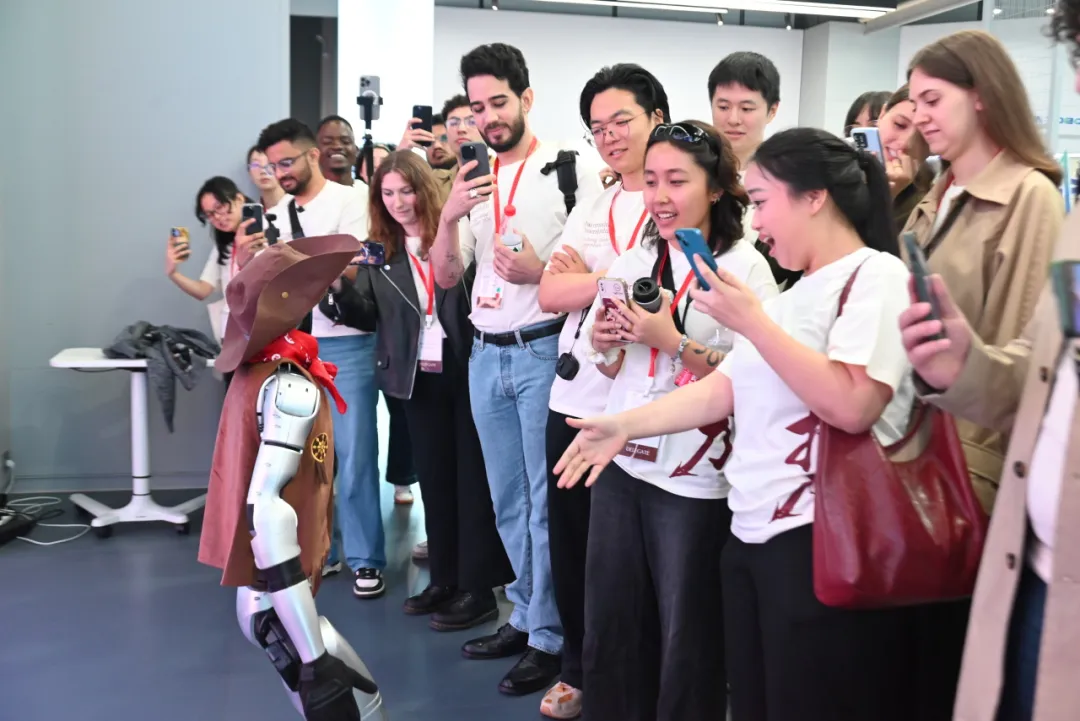
In the world’s first 4S store for humanoid robots—Robot Mall in E-Town, the YGS delegates marveled at the multi-functional humanoid robots, spanning domestic, medical, and industrial applications, demonstrating the landscape of China’s humanoid robot technology.
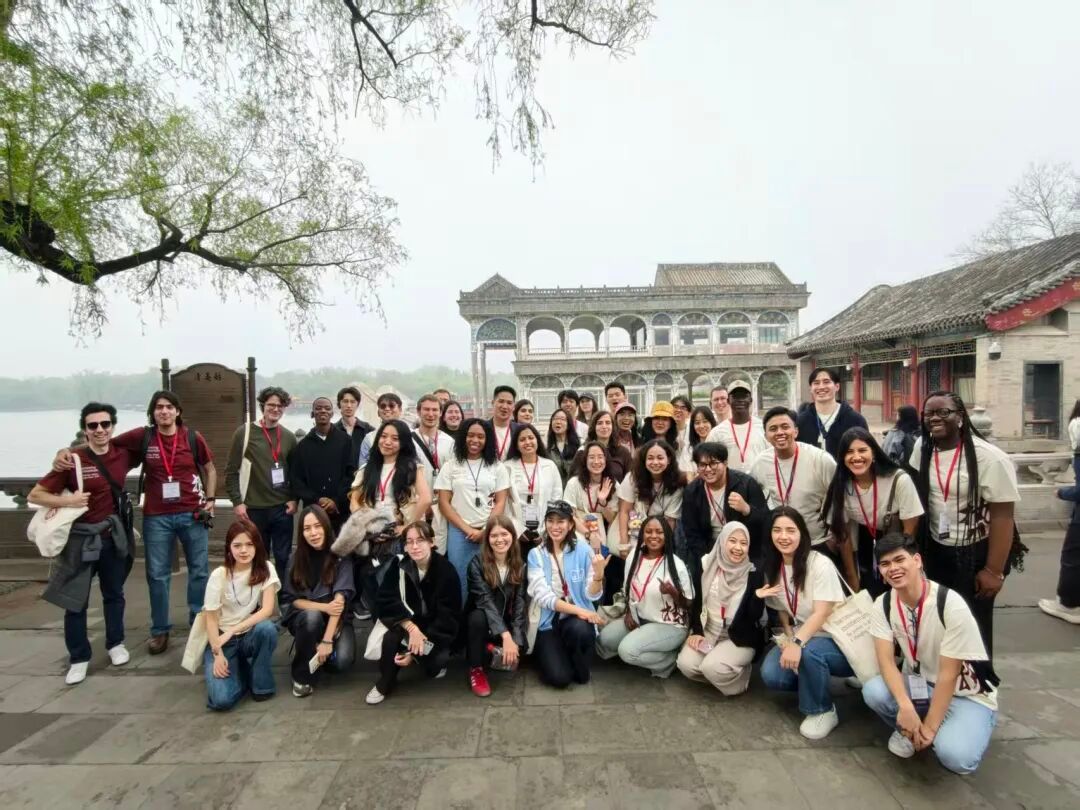
The delegates who went to the Summer Palace were impressed by the art of traditional Chinese garden architecture, which “incorporates the works of humankind and nature in a harmonious whole,” according to UNESCO. This UNESCO heritage site unveils a iconic portion of history, to which the historic imperial garden provides a testament.
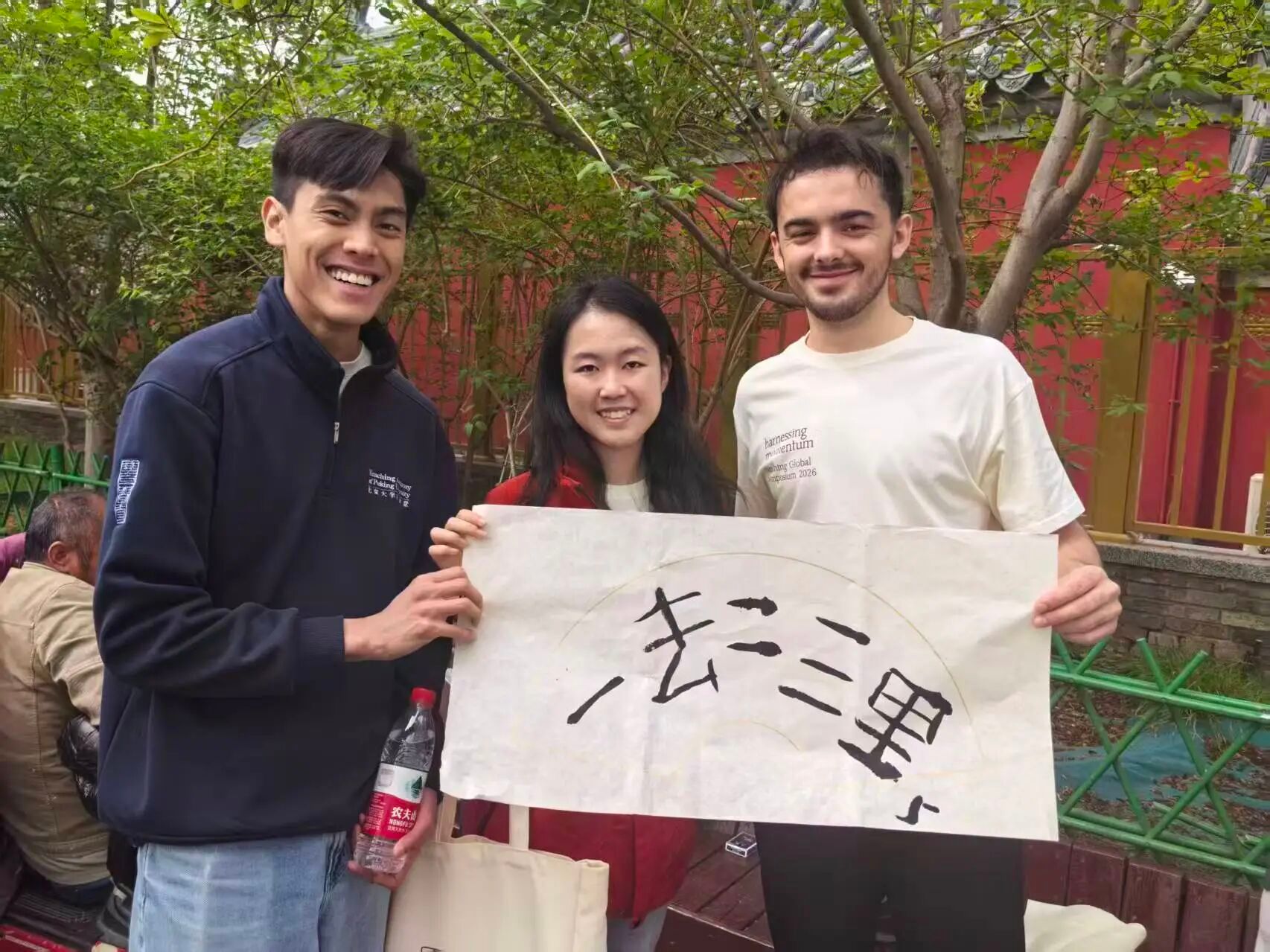
At the Shichahai Lake area, the delegates immersed themselves in Beijing’s hutong culture. The scavenger hunt for the 12 Chinese zodiac characters and calligraphy game, all designed by the YGS 2026 volunteers, were the North Star for this Chinese-culture treasure-hunting trip.
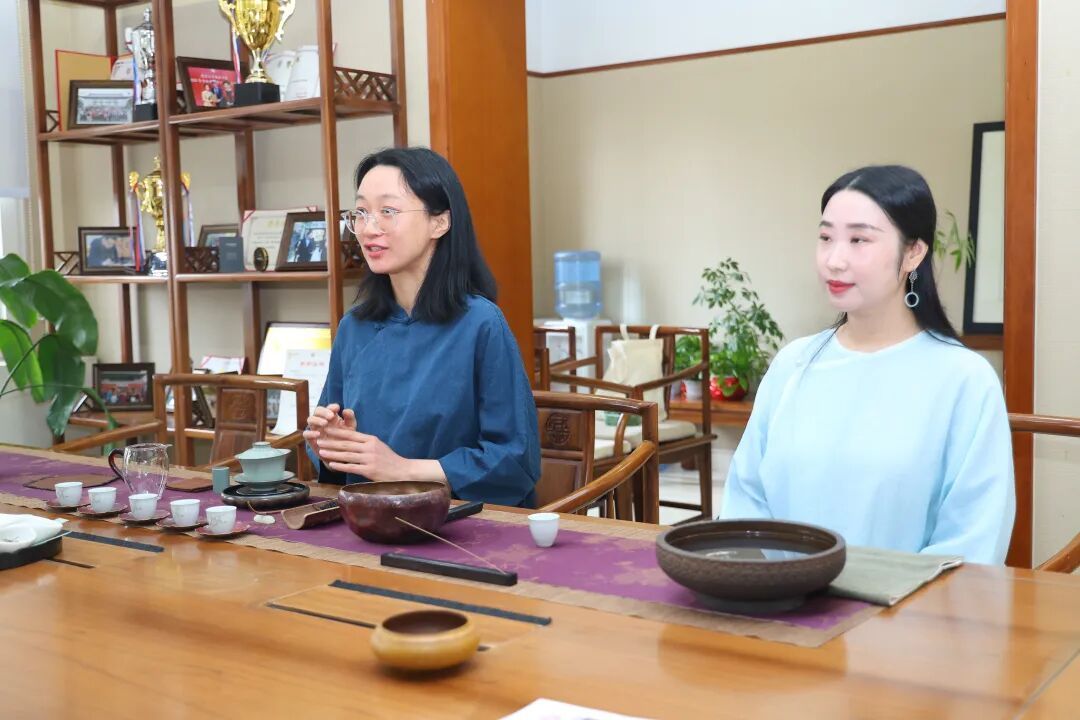
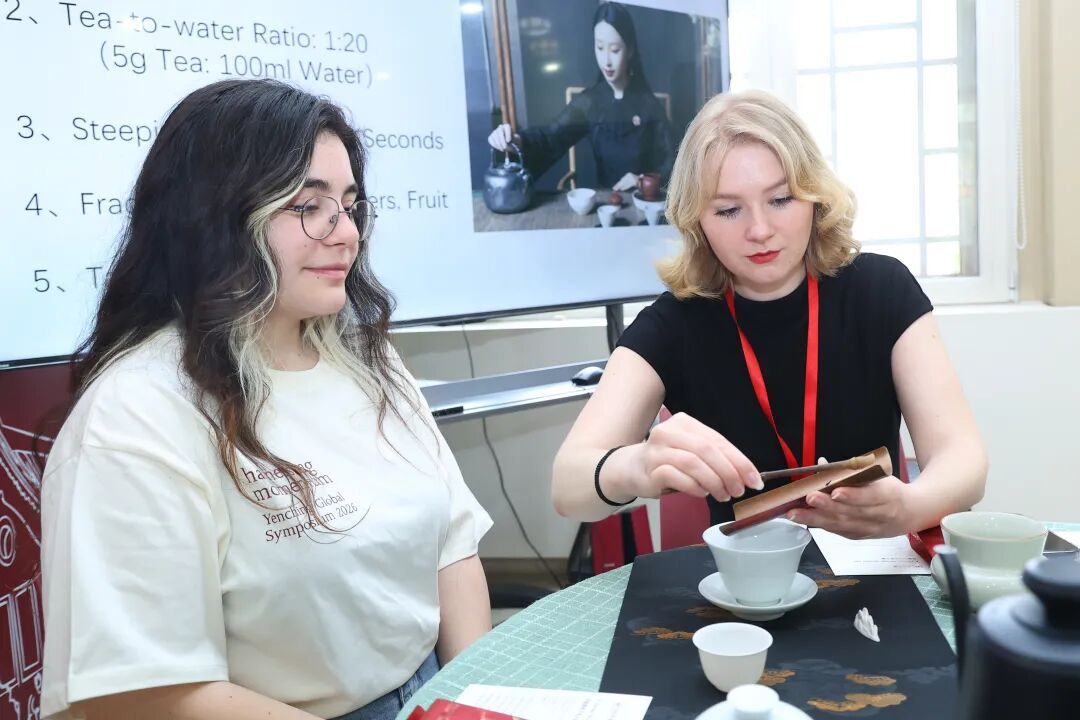
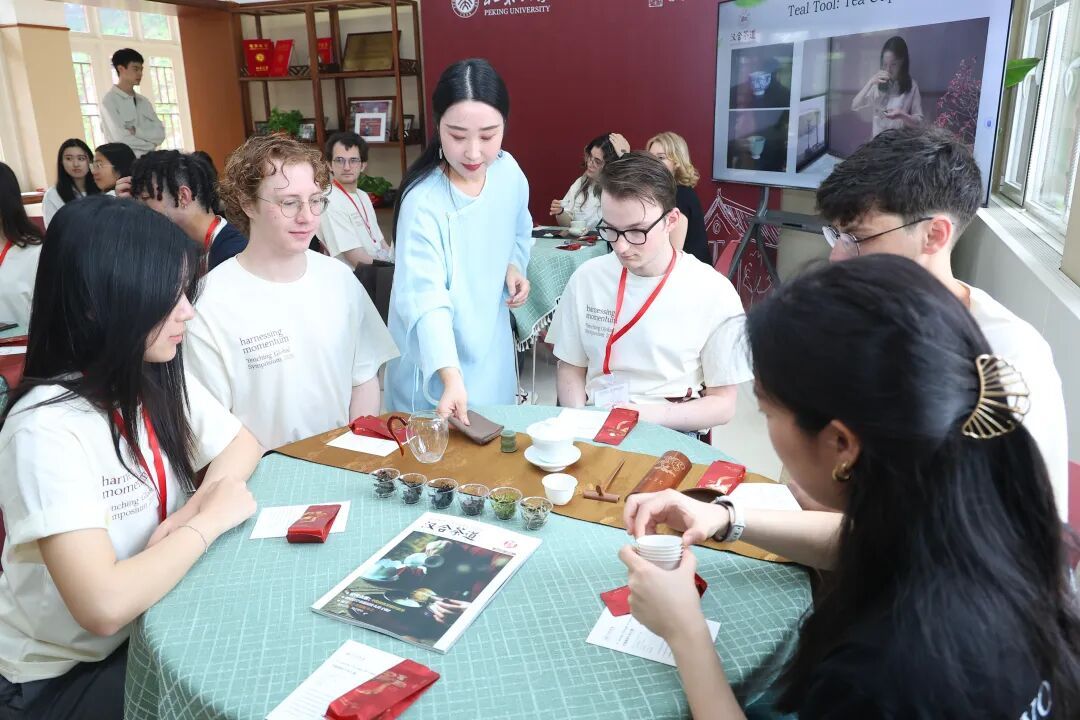
At a tea ceremony at Jingyuan Courtyard 3, the delegates attempted to make tea by following traditional Chinese tea ceremony procedures, enchanted by tea fragrance and Chinese tea culture.
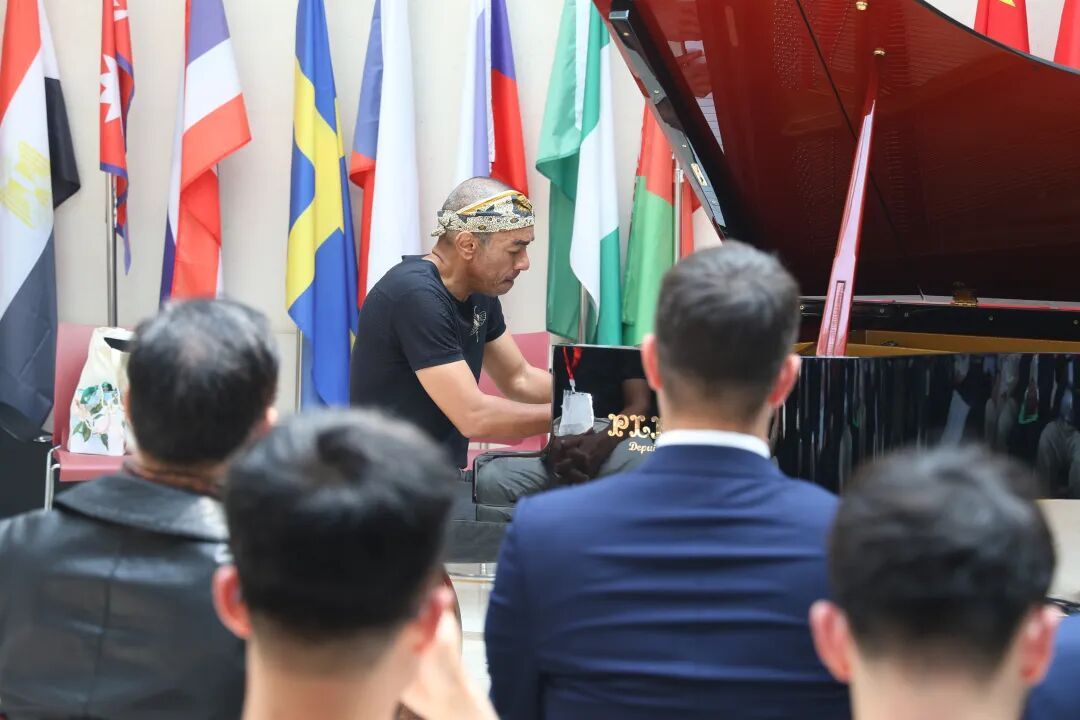
Distinguished guest and speaker Mark Obama Ndesandjo gave a special piano performance on April 18, joined by an ensemble for his original composition Jinse (Brocade Zither).

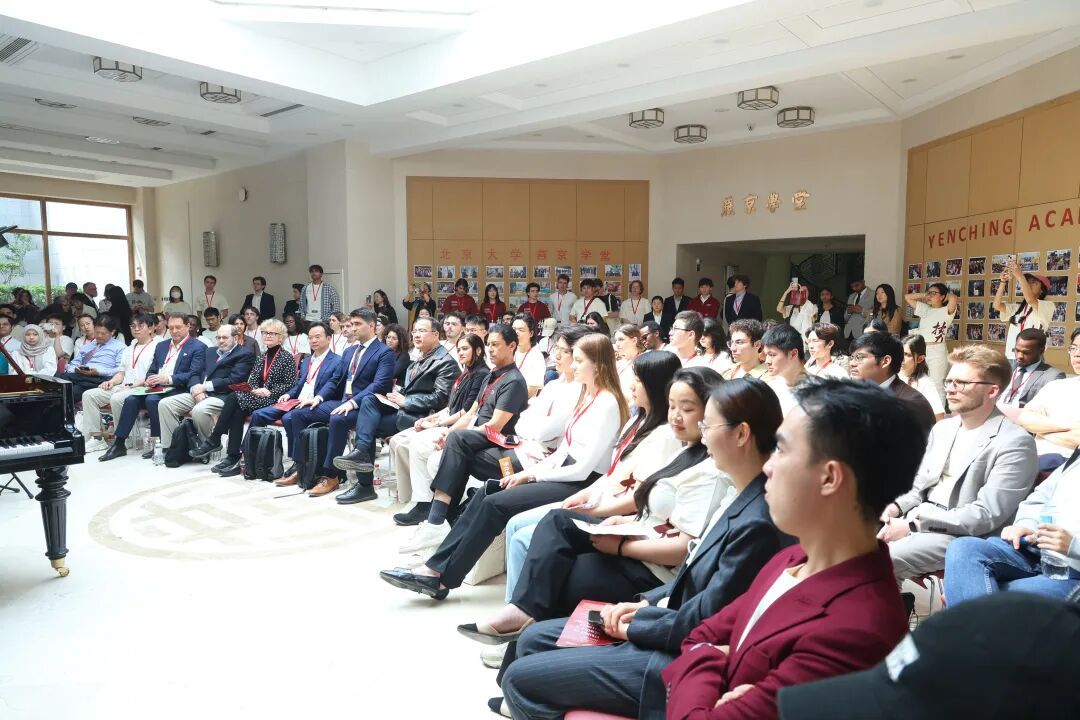
Closing Ceremony
The closing ceremony was held at Qiulin Auditorium on April 19.
Wena Teng and Gloria Tsang, our YGS 2026 co-chairs, delivered the closing remarks. By quoting the renowned Chinese author Lu Xun—“There is originally no road on earth. When men pass and tread, a road is made.” Gloria Tsang hailed YGS 2026 as an event to bring together trailblazers who jointly “make roads” by joining dialogues, listening to each other’s ideas, and forging bonds across national and disciplinary borders. YGS’s decade-long journey is a testament to every participant’s effort.
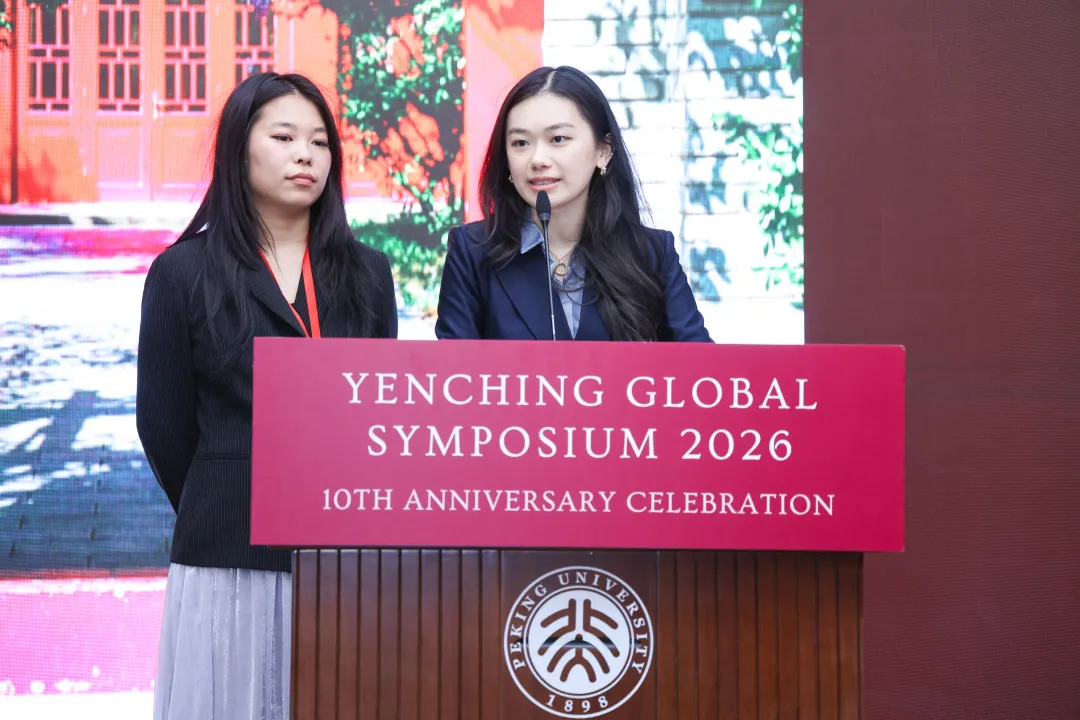
Wena Teng noted that the three-day symposium not only explored the shifting global power dynamics and the action on the frontiers of innovation, but also refocused on “human dimension” in the discussion concerning culture and creativity; structural transformations and technological advancements cannot come into being without a shared commitment and concerted efforts from all stakeholders. The 11th Yenching Global Symposium focused on empowering humanity against the increasingly complex global landscape. By quoting the poem sentence “Lend me strength, good wind, to soar up to the azure sky at last” (translation by Gladys and Xianyi Yang) from Dream of the Red Chamber, Teng conveyed the hope that every participant of YGS 2026 would draw on what they’ve gained at the symposium and better navigate this world full of uncertainties.
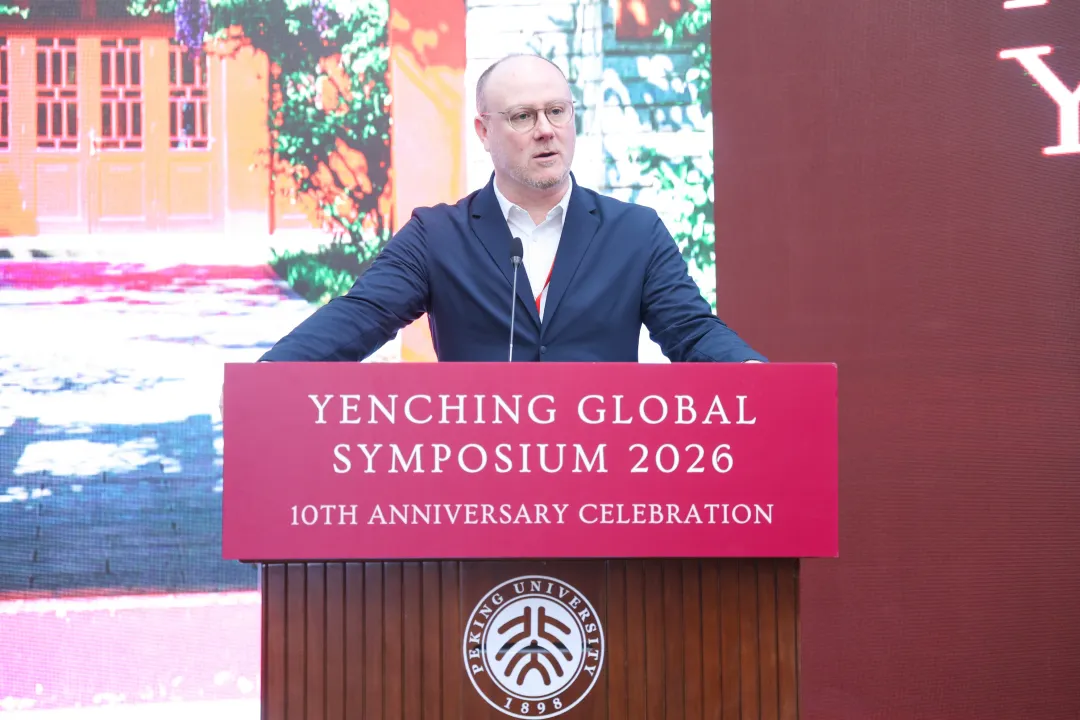
YCA Associate Dean Brent Haas expressed gratitude to the Executive Committee members and staff who worked in collaboration to make the symposium a great success. He gave three tips for the YGS delegates and participants. First, to organize the notes from the workshop and breakout sessions and write down immediate thoughts and reflections for future reference. Second, to keep in touch with fellow delegates. Third, to share the personal experience of the symposium with those who did not attend, and in this way deepen one’s own understanding. At the end of his speech, Haas communicated the hope that the delegates would stay engaged in exploring China-world relations. He thanked the delegates for travelling from afar for the sake of the symposium, wished them safe journeys home, and looked forward to meeting them again.
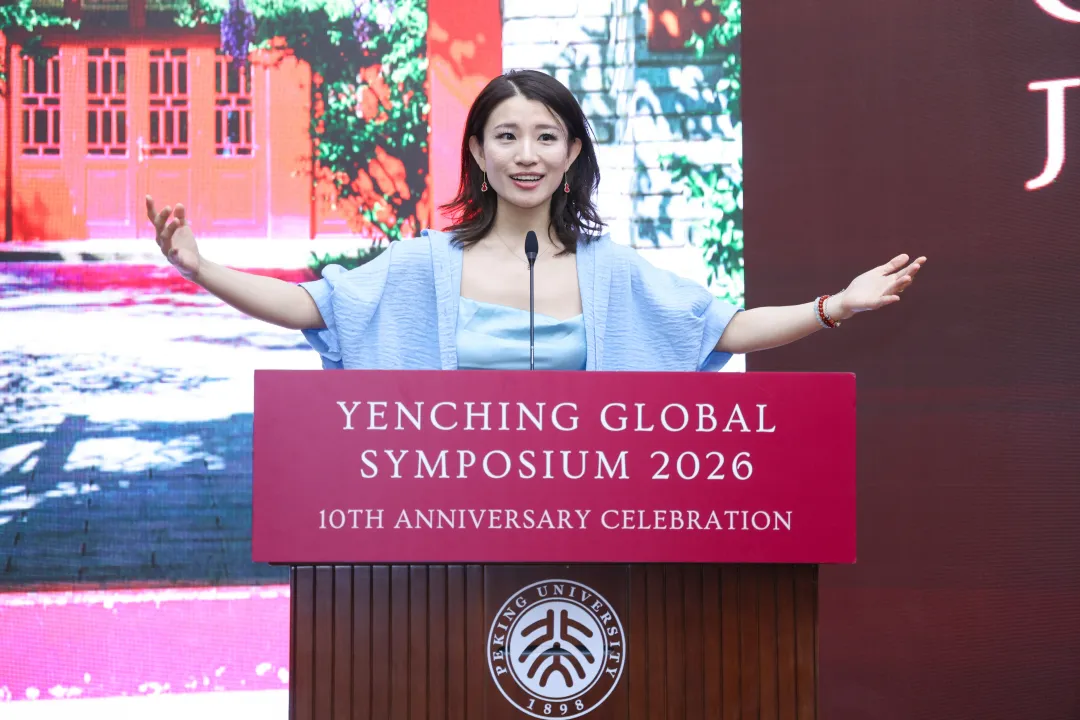
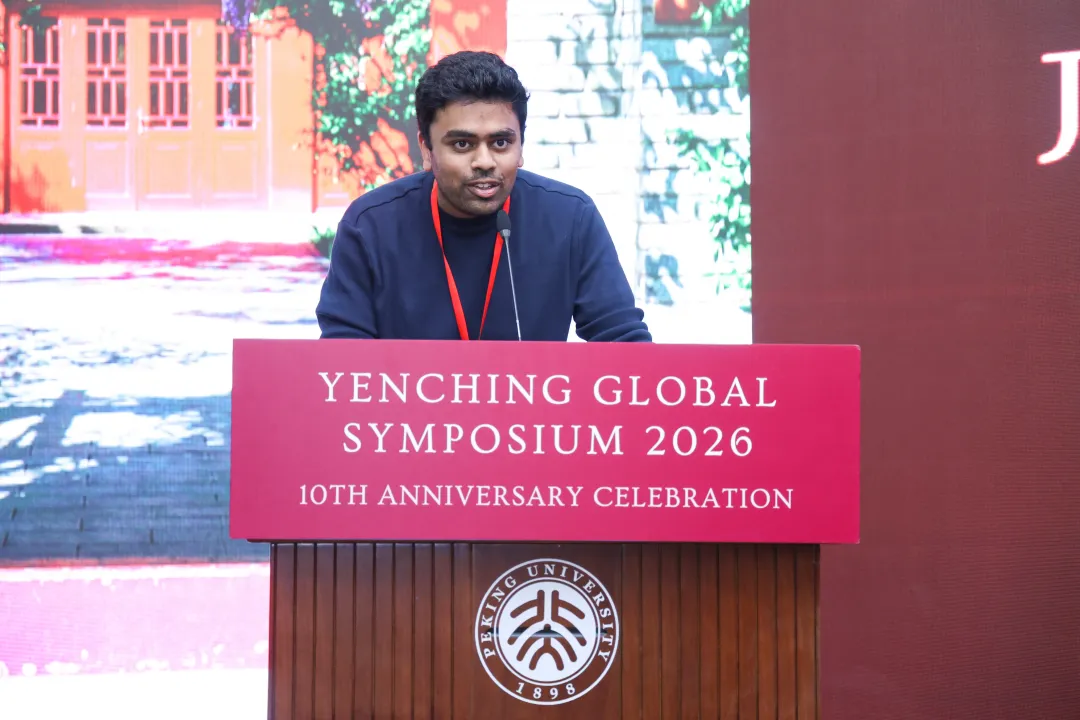
Candice Xiao Liang from the USA and Jash Hitesh Kalyani from Canada spoke as the delegate representatives.
Candice encouraged young people to embrace uncertainties, as reflections can lead to thought-provoking dialogues. She expressed value for the courage to raise questions, as no answer comes before a question. In her speech, she also noted that rejection is a turning point, not the end. Candice observed that leadership is to understand and respect when there is divergence and prevent it from turning into division. She expressed the belief that young people should be bridge between cultures, not only as translators and interpreters, but also conveyors of minds and understanding. She called on her fellow delegates to translate the ethos of YGS into actions that connect cultures.
Intimidated by the competition, Jash nearly gave up on applying to YGS, but he eventually took the leap and succeeded. Drawing upon this experience of his own, Jash encouraged everyone to grasp every opportunity and bravely embrace every “no”. He noted that the YGS 2026 provided a remarkable platform for young people around the world to better understand China. He pointed out that the major challenge for delegates would be to facilitate cross-cultural understanding after departing China—to bring in often-neglected Chinese perspectives, uphold critical thinking, and let different voices be heard in resistance to groupthink. Despite pessimism about a divided world, Jash believed that every well-considered and earnest commitment can trigger a domino effect, pooling tiny but profound changes. He mentioned candid conservations in the informal setting during the symposium, valuing the life experiences others shared in the conversations and the bonds that were forged in those exchanges. At the end of his speech, Jash thanked the Executive Committee, all students and teachers, and speakers, for their efforts to organize this vibrant event, making it possible to pool efforts and keep moving forward.
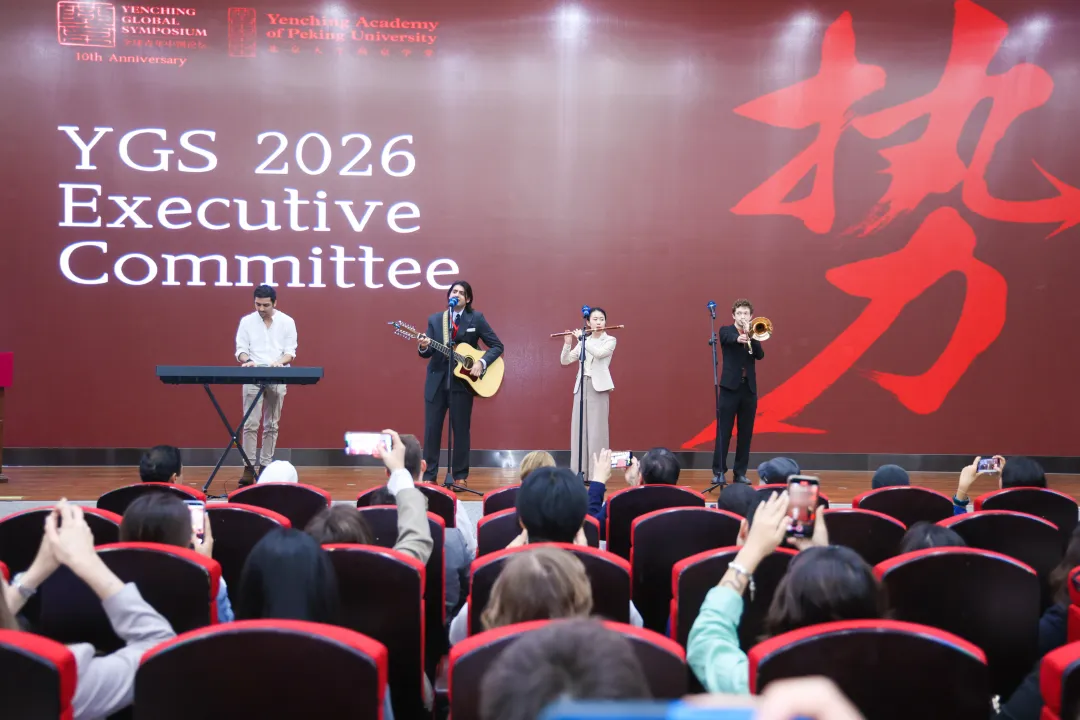
Abudl Haey-ee Asim, YGS 2026 Social Programming director and a 11th Cohort Yenching Scholar, Yi Xuexin and Vicente Revello also from the 11th Cohort, as well as Andrew Rule from the 10th Cohort gave a performance, bringing the event to a climax. The 2026 Yenching Global Symposium concluded successfully.